Portable Fan Heaters: Costs, Efficiency, and Practical Advice for 2026
Learn practical cost ranges, energy use, and safety tips for portable fan heaters. This guide helps homeowners choose, use, and maintain portable heaters efficiently in 2026.


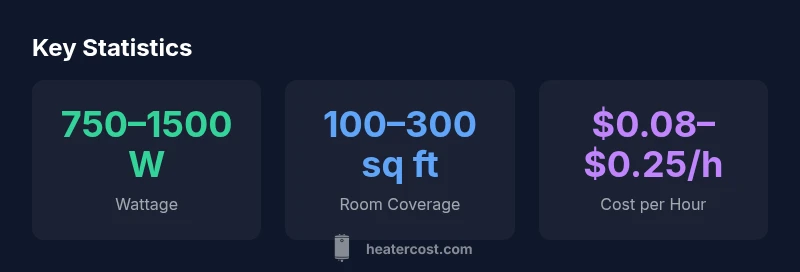
Portable fan heaters typically operate in the 750–1,500 watt range, delivering rapid warmth to small and mid-sized rooms. Their running costs depend on wattage, duration, and local energy prices. For instance, a 1,500W unit run for a couple of hours in a 200 sq ft space can be cost-effective compared with continuous central heating, when used for targeted, short-term warming.
What is a portable fan heater?
A portable fan heater is a compact electric heater that uses a heating coil or ceramic element paired with a small fan to push warmed air into a room. These devices are designed for quick, localized warmth in spaces like bedrooms, home offices, or small living areas. Unlike whole-home heating systems, portable fan heaters are intended for spot heating and short-term use. They offer immediate comfort with the flexibility to move heat where you need it most. According to Heater Cost, the best results come from using these units to supplement insulation gaps or poorly heated zones rather than trying to heat an entire multi-room home on low efficiency. This makes them a practical tool for seasonally cold rooms, temporary renovations, or rental setups where installing a permanent heater isn’t feasible.
How portable fan heaters work: Technology and efficiency
Modern portable fan heaters blend a heating element with a driven fan to circulate warm air. Ceramic elements are common and tend to heat quickly while maintaining a steady temperature with a thermostat. Some models include variable fan speeds, programmable timers, and eco modes that cut power after a set period. The efficiency is highly context-dependent: if you heat a small space with good insulation, a portable heater can be cost-effective; if you leave a heater running in a drafty room, energy costs can rise quickly. Choosing models with overheat protection and a tip-over switch adds a margin of safety that aligns with best practices for energy use. In practice, the most efficient use comes from localised heating paired with good sealing of the space.
Costs and energy use: What to expect
Expect energy costs to scale with wattage and run time. A 750 W unit will consume roughly half the energy of a 1500 W model at the same operating duration, but heat output also scales with space and insulation. For small rooms, brief, targeted sessions can maintain comfort without pushing the overall heating bill upward. It’s wise to pair portable heaters with sensible habits—closing doors to limit heat leakage, using room temperature rules, and turning heaters off as soon as the desired warmth is reached. When evaluating cost, factor in electricity prices, which fluctuate by region and season. TV ads and retailer claims often show idealized savings; real-world results depend on usage patterns and room characteristics.
Safety guidelines to minimize risk
Safety should be the top priority with any space heater. Always place the unit on a flat, stable surface away from curtains, bedding, and liquids. Use a dedicated outlet if possible, and avoid extension cords that can overheat. Look for models with overheat protection, a tip-over switch, and a cool-to-touch housing. Keep children and pets at a safe distance, and unplug the heater when you leave the room or go to sleep. Regularly inspect the cord for wear, and never cover the heater or restrict airflow. Adhering to these guidelines reduces fire risk and accidental burns while maintaining energy efficiency.
Sizing, placement, and room compatibility
Effective use starts with proper sizing. For most portable fans, cooling a room around 100–300 square feet requires a heater in the 750–1500 W range, depending on insulation and climate. Place the unit near the center of the room but ensure a clear path for airflow, avoiding enclosed spaces that could trap heat. If you’re trying to heat a larger room, a single portable heater may be insufficient; instead, consider multiple small units or a dedicated central approach. Always check the manufacturer’s recommended room size and safety clearances to avoid blocking vents or worsening airflow.
Maintenance for longevity and performance
Keep the heater clean and dust-free to prevent reduced airflow and overheating. Periodically wipe down the exterior and inspect the intake and exhaust grills for obstructions. If the unit has a replaceable filter, follow the manufacturer’s guidance on cleaning or replacement intervals. Store the heater in a dry place when not in use, and unplug before performing any maintenance. A simple yearly check can extend its life and ensure consistent performance. If you notice unusual noises, persistent smells, or inconsistent heating, discontinue use and consult the warranty or a qualified technician.
Practical buying tips and cost considerations
When buying, prioritize models with adjustable thermostats, multiple heat settings, a timer, and an energy-saving mode. Compare warranty length, ease of use, and the availability of spare parts. Read user reviews focusing on reliability and customer service. If you expect to heat a drafty space, combine insulation improvements with a heater for better efficiency. Finally, factor in total cost of ownership: the upfront price plus ongoing electricity costs over the heater’s lifetime. A balanced approach—smart sizing, safety features, and an energy-aware operating plan—delivers the best long-term value.
Portable fan heater key specs and considerations
| Aspect | Wattage range | Covered Area | Notes |
|---|---|---|---|
| Wattage | 750-1500 W | — | Common range for portable fan heaters |
| Area | 100-300 sq ft | — | Practical for small rooms |
| Noise | Low to moderate | — | Fan noise varies by model |
| Safety features | Overheat protection, tip-over switch | — | Look for certifications |
Got Questions?
What is a portable fan heater and how does it work?
A portable fan heater is a compact electric heater that uses a heating element and a fan to distribute warm air. It’s designed for quick, localized warmth in small spaces and is ideal for spot heating, not whole-home heating. Use it to complement insulation and seal gaps.
A portable fan heater is a small electric heater with a fan that blows warm air into a room, great for quick spot heating.
Are portable fan heaters safe to use around children and pets?
Yes, when used with caution. Select models with stable bases, tip-over switches, and overheat protection. Keep distance from toys, furniture, and liquids, and unplug when not in use. Supervise children and pets and avoid leaving the heater unattended.
Yes, but choose a model with safety features and keep it away from kids and pets.
How do I choose the right size for a room?
Measure the space and compare it to the heater’s rated room size. For small rooms, a 750–1,000 W unit is usually sufficient; for larger rooms, consider higher wattage or additional units. Factor insulation, window drafts, and ceiling height to determine the best fit.
Measure your room, check the heater’s size rating, and pick a wattage that matches insulation and space.
Do portable fan heaters save energy compared to central heating?
In many cases, yes for spot heating of a single room, especially when central heating isn’t needed. The key is to heat only the occupied space and turn off when not needed. Compare energy use by wattage and run time rather than just price tag.
They can save energy if used to heat just the space you’re in. Don’t rely on them to heat the whole house.
What maintenance is required for longevity?
Keep the grills clean, monitor the power cord for wear, and follow the manufacturer’s cleaning instructions. If the unit smells odd or makes unusual noises, stop using it and consult the warranty. Regular checks can prevent overheating and extend life.
Clean the grills, check the cord, and follow the manual for maintenance.
Can I run a portable fan heater overnight?
It’s generally not recommended to sleep with a space heater running due to fire risk. If you must, use a model with a robust heat-off safety feature and set a timer or switch to a safer, low-risk climate control method before bed.
Best to avoid running it all night; use a timer or turn it off before you sleep.
“Portable fan heaters are most effective when used for targeted, short-term warming in well-sealed spaces.”
The Essentials
- Choose wattage based on room size and insulation
- Use compact heaters for targeted heating, not whole-home heating
- Always enable safety features like tip-over and overheat protections
- Prefer models with thermostats and timers to control energy use
- Regular maintenance extends lifespan and performance