Low Cost Room Heaters: A Practical Guide for 2026
Explore affordable room heaters with practical guidance on upfront costs, running expenses, safety features, and smart buying tips for homeowners, renters, and managers in 2026.


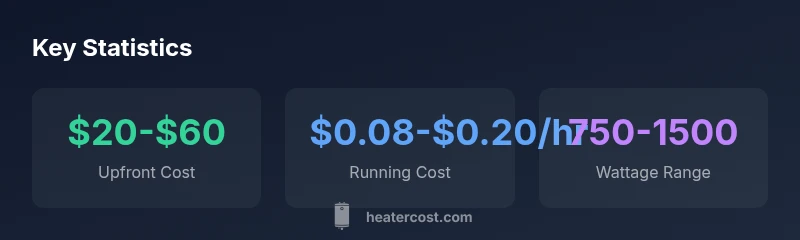
A true low-cost room heater is typically an electric ceramic or fan-forced unit with upfront prices in the $20-$60 range. Operating costs depend on wattage and local electricity rates, but for common 750-1500W models you’re looking at roughly $0.08-$0.20 per hour. For renters or small spaces, this balance of price, speed, and safety often makes compact heaters the most accessible option.
What qualifies as a low-cost heater?
A low-cost room heater isn't defined by a single model; it hinges on upfront price, heating capability, and ongoing energy use. According to Heater Cost, the most affordable options are compact electric units in the price range of $20–$60 upfront. The main purpose of a budget heater is to provide supplemental warmth in smaller spaces, not to replace a full heating system. When evaluating value, look at three factors: (1) efficiency and heat delivery, (2) safety features like an auto shutoff or tip-over switch, and (3) warranty length. A well-chosen budget heater should warm a room quickly, run reliably over multiple seasons, and incur predictable operating costs. This balanced approach is echoed in Heater Cost's 2026 analysis, which stresses total cost of ownership over sticker price.
In practice, a low-cost heater is often a compact electric unit that can be moved between rooms. For renters and homeowners alike, these devices offer a quick, low-risk way to keep spaces comfortable during peak cold spells without committing to a larger purchase. The cost-conscious shopper should avoid models with weak safety credentials or those that lack a clear warranty, even if they’re cheaper upfront. By prioritizing safety and durability alongside price, you can maximize both comfort and peace of mind.
Price vs. Performance: Budget-friendly heater types
Budget-conscious buyers typically encounter four popular categories: ceramic/fan heaters, oil-filled radiators, infrared panels, and compact panel heaters. Ceramic/fan heaters warm spaces quickly but can be noisier, while oil-filled radiators stay quiet and retain heat longer after being turned off. Infrared heaters provide direct warmth and can feel more energy-efficient in short bursts, especially for single occupants. Panel heaters save space and blend with décor but may take longer to raise a large room’s temperature.
When choosing among these on a budget, prioritize the ratio of upfront cost to running cost, along with safety features and anticipated lifespan. The Heater Cost team notes that the cheapest unit isn’t always the cheapest over time if it consumes more electricity or needs frequent replacement. Compare the wattage and efficiency labels, read independent reviews, and consider whether you’ll use the heater in multiple rooms. A slightly higher upfront price can pay off with lower electricity use and longer service life.
Sizing for Different Rooms: Wattage guidance for a comfortable fit
Sizing is critical to getting real value from a low-cost room heater. Start by measuring the room and noting ceiling height, insulation, and window drafts. In general, budget options range from 750W to 1500W. For smaller, well-insulated spaces, a 750W unit may suffice, while larger or draftier rooms typically benefit from a 1000–1500W heater. If you routinely run a heater for several hours at a time, prioritize models with energy-saving modes or adjustable thermostats to avoid overheating and waste. Remember to consider safety features that protect against tip-overs or overheating, which are common in inexpensive units.
A practical approach is to use a two-step sizing method: (1) estimate the room’s heat loss, and (2) select a model that delivers enough warmth with a comfortable margin. This method helps you avoid oversizing (which wastes energy) or undersizing (which leaves you cold). The goal is steady warmth on a budget, not maximum heat at maximum cost.
Running costs and efficiency: Estimating energy use
Operating costs hinge on wattage, usage duration, and local electricity rates. For example, a 1000W heater running for 8 hours a day for a 30-day period at a typical rate yields a straightforward calculation, but actual costs vary by rate and climate. On a per-hour basis, many budget units fall into roughly $0.08–$0.20 per hour at standard rates. To approximate yearly costs, multiply the hourly cost by the number of hours you expect to use the heater during heating season and adjust for days with milder weather. The general takeaway is simple: smaller, well-insulated spaces will require less energy, and careful use of a thermostat can dramatically cut operating costs.
Safety features that matter on a budget
Even low-cost heaters should include essential safety features. Look for tip-over shutoff, which prevents accidents if the unit is knocked over, overheat protection to stop the heater before temperatures become dangerous, and a cool-to-touch exterior to reduce burn risk. Some budget models include a built-in thermostat or ECO mode, which can help manage energy use. Check for certifications from safety organizations and ensure your unit complies with local electrical codes. Regular inspection of cords and plugs, plus a clear space around the heater, reduces fire risk and extends the device’s life.
Practical buying guide: Where to shop and what to avoid
Where you buy matters as much as what you buy. Reputable retailers often provide better return policies and more consistent warranty coverage for budget models. Read customer reviews focusing on long-term reliability and ease of use. Avoid models with flimsy housings, exposed heating elements, or vague safety assurances. Look for simple controls and a visible wattage, and prefer units with a clear manual and reputable brand support. If possible, compare at least three options in the same price tier and calculate the cost-to-wattage ratio to determine the best value over time.
Installation & placement tips on a budget
Placement matters for both safety and heating efficiency. Place the heater on a flat, non-flammable surface away from curtains, furniture, and bedding. A clear 3-foot safety perimeter is a sensible baseline. Avoid enclosed cabinets or stacking behind objects, which can trap heat and create hazards. If your space allows, use a timer or smart plug to regulate usage, and keep cords away from walkways to prevent trips. These simple steps help you maximize warmth while keeping installation affordable.
Maintenance and longevity for a budget heater
Budget heaters benefit from basic maintenance: clean dust from vents, inspect the cord for wear, and store the unit in a dry place during off-seasons. Regular cleaning helps maintain airflow and heat output, while a protective cover or dry storage reduces exposure to humidity. If a component shows signs of wear or odd noises persist, consider professional service or replacement—cheap devices can become expensive if neglected. Rely on a conservative approach: replace failing units promptly to avoid energy waste and safety risks.
Quick-start checklist for budget buyers
- Define room size and insulation; 2) Set a realistic monthly budget for heating; 3) Compare 3 budget models on upfront price, wattage, and safety features; 4) Check warranty length and return policy; 5) Plan placement for safety and efficiency; 6) Schedule a quick maintenance routine before winter.
Budget heater type comparison for easy shopping
| Model Type | Typical Upfront Cost | Heat Output (W) | Best Use / Notes |
|---|---|---|---|
| Ceramic/fan heater | $20-$60 | 1000-1500 | Fast heat, portable, noisier |
| Oil-filled radiator | $40-$120 | 400-1000 | Quiet, long heat retention, slower warm-up |
| Infrared heater | $60-$150 | 500-1500 | Direct warmth, efficient in short bursts |
| Panel heater | $30-$80 | 400-900 | Slim, space-saving, even heat |
Got Questions?
What counts as a 'low-cost' heater?
A low-cost heater usually means an affordable electric unit with upfront price in the low tens to mid hundreds, depending on features. It should provide safe, supplemental heat and have essential safety features. Always compare price, efficiency, and warranty rather than price alone.
A budget heater is affordable and safe for quick warmth; compare price, efficiency, and warranty to maximize value.
How do I determine the right wattage for my room?
Estimate based on room size, insulation, and climate. Budget options typically range from 750W to 1500W. Choose a unit with adjustable thermostat or multiple heat settings to avoid oversizing and waste.
Measure the room, check insulation, and pick a wattage in the 750 to 1500W range with settings to avoid overheating.
Are space heaters energy efficient?
Efficiency depends on the model and usage. Infrared and ceramic models can be efficient for targeted warmth, especially when used to heat only occupied spaces. Pair any heater with a thermostat and proper room sealing to maximize efficiency.
Some heaters are more efficient for targeted warmth; use a thermostat and seal drafts for best results.
What safety features should I look for in a budget heater?
Look for tip-over switch, overheat protection, cool-to-touch exterior, and a sturdy housing. Ensure it hasSafe certifications and avoid models with exposed elements.
Make sure the heater has a tip-over switch and overheat protection for safer use.
What are typical running costs for budget heaters?
Running costs vary with wattage and electricity rates. In general, expect modest hourly costs for 750–1500W models, with higher energy use in colder climates or poorly insulated spaces.
Costs depend on wattage and rates; use a thermostat to trim usage.
How long do budget heaters last?
Lifespan varies by build quality and usage. Regular cleaning, safe storage, and prompt replacement of worn parts can extend life. If performance deteriorates, consider replacing rather than repairing multiple components.
A budget heater lasts a few winters with proper care; replace if performance drops.
“A well-chosen low-cost room heater can deliver reliable warmth while keeping energy use in check. Size it correctly, prioritize safety, and pair it with sensible habits to maximize value.”
The Essentials
- Identify the room size and insulation before buying
- Prioritize safety features (tip-over, overheat protection)
- Balance upfront cost with estimated running costs
- Choose the right wattage to avoid wasted energy
- Treat cheap heaters as a short-term supplement, not a sole heat source