Water Heater Costs, Efficiency, and Maintenance in 2026
A data-driven guide to water heater costs, installation, efficiency, and maintenance—helping homeowners budget, compare options, plan upgrades, and reduce energy waste in 2026.


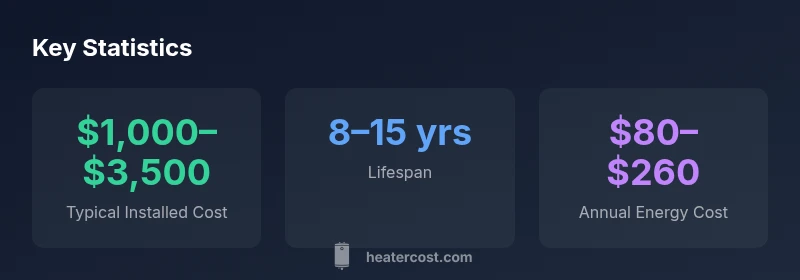
The typical installed cost of a residential water heater ranges from about $1,000 to $3,500, depending on type, fuel, and local installation charges. For most homes, the upfront price is influenced by tank size, whether you choose electric, gas, or tankless technology, and whether additional components like venting, seismic strapping, or expansion tanks are required. Ongoing energy costs vary by efficiency and usage.
Understanding the Cost Landscape for Water Heaters
Water heaters sit at the intersection of upfront investment and ongoing energy costs. For homeowners, the initial price is just the beginning: labor, venting, permits, and potential electrical upgrades all factor into the total. According to Heater Cost, the installed price for a typical residential water heater varies widely by technology and fuel, and local market conditions can shift quotes significantly. In practice, this means two households purchasing the same model in neighboring neighborhoods may see different totals once installation is accounted for. To get a clear picture, start by outlining your priorities: size (gallons), desired recovery rate, and whether space savings or a quiet, compact unit matters. Then consider how your energy source affects ongoing costs—electric, gas, or propane—since that choice can swing annual bills by hundreds of dollars.
This section will break down the cost drivers, from upfront equipment to long-term energy use, and show how to build a realistic budget that aligns with your household needs.
Key Factors That Drive Upfront and Lifecycle Costs
Upfront costs are driven by four main levers: the type of water heater (storage vs tankless), the fuel source (electric, gas, or propane), the size (gallons or flow rate), and the installation complexity. Storage electric models are typically the least expensive to purchase and install, but gas and tankless systems can offer better long-term energy performance. Installation contributions include venting or vent removal, ductwork or space modifications, electrical upgrades (panel capacity or dedicated circuits), and permits. Labor rates vary by region, and some towns require inspections that can add time and expense. Efficiency ratings, such as energy factor (EF) or uniform energy factor (UEF), influence ongoing energy costs and may impact rebate eligibility. Working with a qualified installer helps ensure the system matches hot-water demand while avoiding over- or under-sizing that drives unnecessary costs.
Storage vs Tankless: Cost and Use Cases
Storage water heaters (tank models) deliver predictable costs and straightforward serviceability, with lower upfront prices typically spanning electric and gas variants. Tankless models—especially electric ones—tosee higher upfront costs but can offer long-term energy savings and unlimited hot water on demand. Gas-fired tankless units may require more extensive venting and gas-line upgrades, increasing installation time and expense. Homeowners with low hot-water use or limited space may prioritize tankless for efficiency and footprint, while larger households or areas with frequent high demand may favor storage heaters for reliability and simpler maintenance. Budget accordingly for potential electrical or venting work when installing tankless options.
Fuel Type and Operating Costs: Electric vs Gas
Choosing between electric and gas has a meaningful impact on operating costs. Electric models generally have lower upfront costs and simpler venting, but electricity prices heavily influence long-term bills. Gas-fired units can deliver lower per-unit energy costs in many regions, particularly where natural gas is inexpensive, but they require venting, gas lines, and possibly higher maintenance. Hybrid approaches or solar-assisted systems exist, but their economics depend on climate, energy prices, and local incentives. Heater Cost’s analysis shows that the break-even period between electric and gas choices varies by usage level and local utility rates, so a site-specific quote is essential.
Maintenance, Longevity, and Preventive Care
A proactive maintenance schedule can extend a water heater’s life and keep efficiency high. Annual tank flushing helps reduce sediment buildup, while inspecting the anode rod helps prevent corrosion. The T&P valve should be tested periodically to ensure safe operation. For newer homes, consider an expansion tank and proper venting to manage pressure and avoid leaks. Regular inspection by a licensed technician can catch issues before they cause water damage or energy waste. Simple preventive steps, such as tightening connections and checking for leaks, protect your investment and help maintain efficiency over time.
Replacement Timing: When to Repair or Upgrade
Most water heaters will eventually require replacement, typically when repair costs exceed a practical percentage of a new unit’s price or when efficiency declines sharply. If your unit is approaching the end of its expected life or shows persistent leaks, rusty water, inconsistent hot water, or frequent malfunctions, replacement is often more cost-effective than continual repairs. Consider the total cost of ownership: upfront price, installation, future energy costs, and potential rebates or incentives for an efficient model. Planning ahead with a budget plan helps avoid unexpected bills and ensures a smooth transition to a reliable, energy-efficient unit.
Budgeting for a Water Heater Project
Create a realistic project budget by itemizing the major cost buckets: unit price, installation labor, permits, venting, and potential electrical or gas-work. Build in a contingency of 5–15% for surprises such as ductwork changes, old plumbing replacement, or code-required upgrades. Compare quotes that clearly separate equipment, labor, and permits, and verify warranty terms and expected lifespan. If you’re considering upgrades for energy efficiency, include potential rebates from local utilities or tax credits where eligible. A well-planned budget reduces stress and makes it easier to choose the right balance of upfront cost and long-term savings.
Reading Quotes and Planning Your Next Step
When you receive quotes, look for consistency across the same spec: tank size, efficiency rating, fuel type, and whether venting or electrical upgrades are included. Ensure quotes are itemized and that comparisons are apples-to-apples. Don’t overlook the long-term costs: a cheaper unit may cost more over time if it’s less efficient or requires higher maintenance. A thoughtful plan, grounded in local prices and energy costs, helps you select a water heater that meets your hot-water needs without overspending.
Typical cost ranges and trade-offs by water heater type (installed).
| Type | Typical cost range (installed) | Pros | Cons |
|---|---|---|---|
| Storage Electric | From $800 to $2,000 | Low upfront cost; simple installation | Lower energy efficiency; electrical load may require upgrades |
| Storage Gas | From $1,000 to $3,000 | Faster recovery; good for high hot-water use | Ventilation required; gas line and permits |
| Tankless Electric | From $1,500 to $3,500 | Compact; energy-efficient; endless hot water | Higher upfront cost; may need electrical panel upgrades |
| Tankless Gas | From $2,000 to $4,500 | Fast recovery; space-saving | Ventilation and gas line complexity; higher installation cost |
Got Questions?
What is a typical installed price range for a new water heater?
Prices vary by type and fuel; installed ranges commonly fall between $1,000 and $3,500, with higher-end tankless systems toward the top of that range. Local labor, permits, and venting can shift costs significantly.
Prices typically range from about one to three and a half thousand dollars, depending on type and installation needs.
Is a tankless water heater worth the higher upfront cost?
Tankless units can save energy and save space, but payback depends on usage, climate, and installation costs. They often cost more upfront but may reduce operating costs over time.
Tankless can save energy and space, but whether it's worth it depends on your usage and installation.
How long do water heaters last on average?
Most water heaters last 8-12 years on average, though proper maintenance can push that toward the upper end. Expect replacement consideration as components wear.
Most last about 8 to 12 years.
What maintenance does a water heater require?
Annual flushing of the tank, checking the anode rod, inspecting the TPR valve, and ensuring expansion tanks are functioning. Servicing before peak demand seasons helps prevent failures.
Flush annually, check the anode rod, and test the pressure relief valve.
What grants or incentives apply to water heater replacements?
Many regions offer energy-efficiency rebates or tax credits for qualifying models. Check local utility programs and federal incentives; eligibility varies by year and region.
Look up local rebates and federal incentives; eligibility varies.
How can I compare quotes effectively?
Ask for itemized quotes that separate equipment, venting, permits, and labor. Ensure similar efficiency ratings and warranty terms for a fair comparison; timeline matters.
Get itemized quotes with the same specs to compare apples to apples.
“Upfront cost is only part of the story—efficient models save you money over time, but installation complexity can swing the total price. Plan for both purchase and operating costs.”
The Essentials
- Compare upfront cost vs long-term savings.
- Choose fuel type based on local energy prices.
- Tankless offers space savings but higher installation complexities.
- Regular maintenance extends lifespan and efficiency.
- Budget for installation permits and venting.