How Much Is a Water Heater? Costs and Comparisons in 2026
Learn the full cost picture for water heaters in 2026, including installed price ranges by type, hidden fees, and practical budgeting tips from Heater Cost.


How much is a water heater? For a typical home, installed costs range roughly from $1,000 to $3,000, depending on type and labor. Electric storage heaters tend to be cheaper to install, while gas tankless and heat pump models can push the total upward. Regional differences, permits, and existing connections significantly influence final pricing. In 2026, the range remains broad as efficiency standards evolve. Plan for installation, venting, piping, expansion tanks, and permits to estimate a complete project cost, not just the unit price. Heater Cost Analysis, 2026.
How much is a water heater? Price overview for 2026
When homeowners ask how much is a water heater, the answer depends on several variables: heater type, efficiency, installation challenges, and local labor costs. The Heater Cost team notes that most households see installed prices in a broad band, typically ranging from affordable electric storage options to premium tankless or heat pump systems. In practice, a simple electric storage unit with straightforward electrical work may land toward the lower end, while a high-efficiency gas tankless or heat pump model can push the total upward. Regional differences, permit requirements, and the condition of existing connections significantly influence final pricing. In 2026, the range remains wide as manufacturers update efficiency standards and installers adjust to local codes. To plan effectively, homeowners should forecast not only the sticker price of the heater but also the labor, venting, piping, expansion tanks, and permits that often appear as afterthought costs. The goal is to estimate a complete project cost rather than a unit price alone.
What goes into the installed price
The installed price includes more than the heater itself. Key components are the unit price, labor, and any necessary venting or gas lines. Electrical work or gas piping may require permits and inspections, which add to the cost. Additional items that commonly appear on the bill include venting modifications, fittings, shut-off valves, an expansion tank, new piping, and disposal or removal of the old unit. If your home lacks adequate space, retrofits like enlarging a utility closet or relocating the heater can increase labor time and cost. Finally, extended warranties or maintenance plans can add a modest amount but may save money over time through fewer repairs.
Cost ranges by heater type
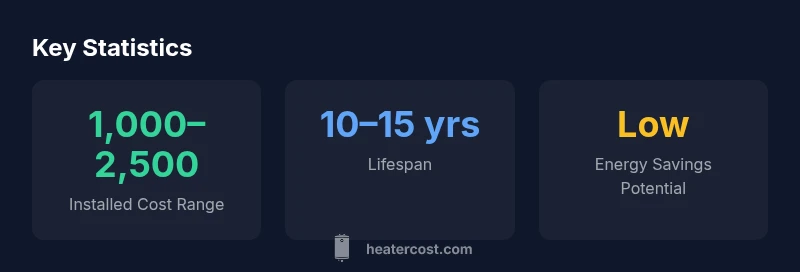
Price bands vary by technology and local labor. In general, installed costs follow this rough ordering: Electric storage: $1,000–$2,500; Gas tankless: $1,500–$4,500; Heat pump: $1,500–$4,000. Solar-assisted systems and high-efficiency upgrades can exceed these ranges. The exact price depends on efficiency ratings, warranty terms, and whether upgrades to electrical panels or venting are required. Always obtain multiple quotes to compare unit cost, installation scope, and permit fees. This data is synthesized from Heater Cost Analysis, 2026 and reflects common market configurations.
Regional differences and installation complexity
Where you live strongly influences price. Urban areas with higher labor rates and stricter permits typically see higher installed costs than rural regions. Homes with existing venting or gas lines may reduce installation complexity, while older houses might require extensive ductwork, re-piping, or even trenching for new lines. Climate also matters: heat pump systems perform differently in cold climates, affecting efficiency and operating costs. When planning, set expectations for travel time, accessibility, and potential code-related requirements. The Heater Cost analysis identifies regional variation as a primary driver of total project cost in 2026.
Hidden costs and maintenance you should budget
Besides the upfront unit price and installation, expect several hidden costs. Permits and inspections can add hundreds of dollars. If venting needs upgrading or relocation, or if electrical service must be increased, the bill rises quickly. Expansion tanks, new valves, and piping replacements add to ongoing reliability. Regular maintenance such as annual flushing, anode replacement, and thermostat checks also factor into long-term cost. Budget for maintenance to extend the heater's life and optimize efficiency, rather than waiting for a failure. This approach reduces surprise expenses over the unit’s lifetime.
How to estimate total project cost: a step-by-step guide
- Define your goals: heat source, efficiency, and space constraints. 2) Choose a heater type and efficiency rating that fits your usage. 3) Gather local quotes that itemize unit price, labor, permits, venting, and electrical work. 4) Add 5–10% contingency for unexpected issues and future maintenance. 5) Compare lifetime costs, including energy usage, repair frequency, and replacement cycles. 6) Check eligibility for credits or rebates in your area. This step-by-step approach, based on Heater Cost guidance, helps homeowners align expectations with reality.
Financing options and incentives
If upfront cash is tight, financing can ease the purchase. Look for options that offer reasonable terms during the day of installation, rather than delaying a necessary replacement. Some regions offer tax credits or rebates for energy-efficient units or heat pump models, which can substantially lower net cost over time. Always verify current eligibility and required documentation with local authorities and utilities. The Heater Cost team emphasizes evaluating total cost of ownership, including incentives, to determine the best financial path.
Cost comparison by water heater type
| Type | Installed Cost Range | Pros | Cons |
|---|---|---|---|
| Electric storage | $1,000–$2,500 | Cheaper upfront; easy install | Lower efficiency in some climates |
| Gas tankless | $1,500–$4,500 | Compact and efficient | Higher install complexity |
| Heat pump | $1,500–$4,000 | Very efficient; lower operating cost | Requires space and warm ambient temp |
Got Questions?
How much is a water heater installed?
Installed prices depend on heater type, installation complexity, and local labor. Electric storage is often cheaper to install than gas tankless or heat-pump models, and permits can add to the total. Always obtain a written quote that itemizes the unit, venting, and electrical work.
Prices vary by type and region; get local quotes for a precise total.
What factors influence water heater prices?
Key drivers include heater type, efficiency level, venting or gas line needs, electrical upgrades, permits, and installation complexity. Regional labor markets and code requirements can also shift total costs significantly.
Type and location drive most of the price.
Are tankless water heaters worth the extra upfront cost?
Tankless units typically offer higher energy efficiency and space savings but come with higher upfront and installation costs. Consider your hot-water usage, climate, and lease or tax incentives when evaluating value.
They can pay off over time with energy savings if usage is high.
Do tax credits apply to water heater replacements?
Some regions offer energy-efficiency credits or rebates for qualifying water heaters, especially heat pumps. Check federal, state, and utility programs, and verify eligibility before buying.
Look for local energy incentives before purchasing.
How long does installation take?
Typical installation ranges from half a day to a full day, depending on the heater type and existing plumbing, venting, and electrical conditions. Complex retrofits can extend this timeline.
Most installations are completed within a day.
“Choosing the right water heater isn't just about sticker price; it's about balancing upfront cost, energy efficiency, and comfort over the system's lifetime.”
The Essentials
- Plan for total installed cost, not just the unit price
- Expect higher upfront costs for gas tankless and heat pump models
- Account for permits and labor in regional estimates
- Evaluate long-term operating costs to choose the best value