How Much Is a Hot Water Heater in 2026? Costs Explained
Discover the realistic installed cost range for hot water heaters in 2026, plus factors that drive price, regional variations, and smart buying tips from Heater Cost.


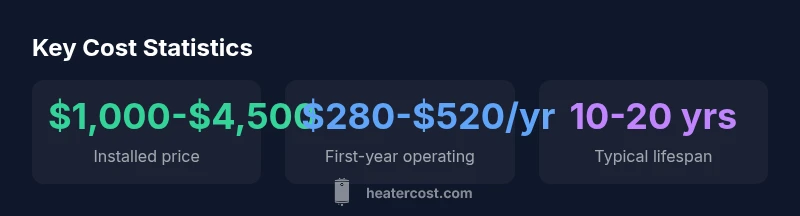
In 2026, the total installed price for a typical residential hot water heater ranges roughly from $1,000 to $4,500. Electric storage tanks sit toward the low end, while tankless units push toward the high end. Final costs vary by unit size, energy source, installation complexity, and local labor rates. Prices may be higher if you need complicated venting or old unit removal.
What affects the sticker price of a hot water heater
Understanding the bottom line begins with the unit itself and the installation work that accompanies it. The price you see on a quote includes the heater, any required venting or electrical upgrades, labor, removal of the old unit, and possible permit fees. Regional labor rates and material costs shift prices year over year, and the presence of tax credits or incentives can alter the overall cost. According to Heater Cost, many homeowners see a wider spread between quotes when installers differ on venting requirements, wall clearances, or whether the existing plumbing can be reused. This is why comparisons matter: two quotes can look similar, but the fine print reveals whether both include permits, disposal, and commissioning checks.
Price ranges by heater type and configuration
Prices are most often discussed as installed ranges because there are so many moving parts beyond the tank or unit itself. Here are representative ranges you’re likely to encounter in 2026, with the understanding that regional differences apply:
- Electric storage tank: commonly in the lower to mid range of installed costs
- Gas storage tank: typically higher due to venting and gas line work
- Electric tankless: higher upfront due to technology and electrical upgrades
- Gas tankless: usually the highest upfront cost, driven by venting and gas line requirements
Keep in mind that the final price can be influenced by the heater’s capacity (gallons or flow rate), the energy source, the warranty terms, and any required upgrades to meet local codes. The best way to get an accurate number is to request written quotes from licensed plumbers or HVAC technicians who can inspect the site and provide a detailed breakdown.
Major cost drivers beyond the unit price
Several factors push the installed price up or down. System size matters: larger households require bigger tanks or higher flow rates, which increases equipment and labor costs. Energy source also changes the bill: electric heaters are generally cheaper to purchase but may cost more to operate in regions with high electricity rates; gas units may have higher upfront costs but can be cheaper to run where natural gas is affordable. Installation complexity—such as converting from electric to gas, rerouting ducts or vents, or upgrading electrical panels—has a large impact on labor hours and permitting. Warranties, service agreements, and the need for new expansion tanks or seismic bracing add further value to the total cost. Finally, disposal of the old unit and any required permit fees can add hundreds of dollars to the project.
Regional variation and permit costs
Prices vary widely by geography due to labor markets and permit requirements. In urban areas with tight labor pools, you’ll typically see higher quotes than in rural zones. Permit costs depend on local codes and whether a final inspection is required. Some jurisdictions bundle permit and inspection fees with the contractor’s invoice, while others bill them separately. If your home is older or has a non-standard setup (for example, limited space for a new tank or venting constraints), you should expect higher installation costs. Heater Cost’s research for 2026 shows that permitting can add a meaningful portion to the total, especially for gas-fired installations and systems requiring venting or seismic bracing.
Estimating your total cost: a step-by-step example
To estimate what you’ll pay, start with the heater type and capacity, then add install-related costs. Step 1: choose your heater type and size based on peak demand and family size. Step 2: obtain at least three written estimates from licensed installers, ensuring that quotes itemize the heater, venting or electrical work, permit fees, disposal, and commissioning. Step 3: include potential upgrades, such as code-compliant venting, expansion tanks, or water-softener integration if applicable. Step 4: compare the total costs and consider the long-term operating costs, since a cheaper unit may cost more over 10-15 years if efficiency is low. Step 5: review warranties and service terms, and consider any available incentives or rebates that reduce the upfront price.
Operating costs vs. upfront price: what to expect over time
A hot water heater’s operating cost depends primarily on energy efficiency, usage, and fuel source. Electric heaters typically have higher energy costs in regions with expensive electricity. Gas models may command lower operating expenses where natural gas prices are favorable, but require ongoing maintenance for venting and combustion safety. Tankless systems, while costlier upfront, can offer substantial energy savings over time if your hot water use is steady and high. When evaluating a proposal, calculate the annual operating cost using the unit’s efficiency rating (EF or UEF), your local energy rates, and projected hot water usage. Even modest usage changes can shift the annual cost by hundreds of dollars over the heater’s life, so the long-term perspective matters as much as the sticker price.
Financing, warranties, and incentives you should know
Financing options can help spread the upfront cost, especially for higher-end tankless systems. Warranties vary by brand and configuration; a longer warranty can provide peace of mind and lower long-term maintenance costs. Incentives and rebates for energy-efficient heaters exist in some states or utility programs, though eligibility and amounts change over time. Always verify current programs with official sources and your installer. If you plan to finance, compare total interest paid and potential extended warranties to determine the true cost of ownership over time.
How to compare quotes and avoid surprises
A well-structured quote includes the heater model, size, energy source, venting or electrical work, permit fees, labor, disposal, and commissioning. Ask for a side-by-side comparison showing what is included in each line item. Request a fixed cost or a clearly defined variable cost with a cap. Confirm whether labor hours, parts, permits, and disposal are included, and ask how changes mid-project are handled. Finally, ensure the installer provides a written estimate of operating costs for the first year based on your local electricity or gas rates to help you plan for ongoing expenses.
Cost comparison by heater type (installed price and operating cost ranges)
| Type | Installed price range | Estimated annual operating cost range | Typical lifespan |
|---|---|---|---|
| Electric storage tank | "$800-$1,900" | "$300-$550" | "10-15 years" |
| Gas storage tank | "$1,000-$2,400" | "$400-$700" | "10-15 years" |
| Electric tankless | "$2,000-$4,500" | "$150-$400" | "15-20 years" |
| Gas tankless | "$3,000-$5,500" | "$300-$600" | "15-20 years" |
Got Questions?
What factors drive the installed cost of a hot water heater in 2026?
The installed cost is driven by the heater type and size, energy source, labor rates, permitting, venting or electrical upgrades, and any required disposal or site preparation. Regional differences can add hundreds to thousands of dollars. Always get written quotes that break out components.
Costs depend on the heater type, installation work, and local rates, so compare multiple quotes to understand the full price.
Is a tankless water heater worth the upfront cost?
Tankless systems often offer energy savings and endless hot water for busy households, but the upfront investment is higher. Consider your usage, climate, and energy prices; do a simple payback calculation using local rates and your peak usage.
If you use a lot of hot water and your energy prices favor efficiency, tankless can pay off over time.
Do permits add to the total price?
Yes. Permit fees vary by jurisdiction and can add hundreds of dollars to the total. Some installers include permits in the quote; others bill separately after inspection.
Permits can raise costs, but they ensure safety and code compliance.
How long does installation typically take?
Most installations take a few hours to a full day, depending on site readiness and whether venting, electrical, or gas line work is required.
Most installs finish the same day, but complex jobs can spill into a second day.
What is the typical lifespan of common hot water heaters?
Storage tanks generally last 10-15 years, with tankless units often reaching 15-20 years, assuming regular maintenance and proper installation.
Tankless systems usually live longer, but maintenance is key.
What maintenance tasks are essential for longevity?
Regular flushing to remove sediment, checking anode rods, inspecting connections, and testing safety valves can extend life and prevent leaks.
Flushing and yearly checks help your heater last longer.
“Choosing a hot water heater isn't just about the unit price; installation complexity and energy efficiency greatly affect total cost. A thorough assessment from a licensed installer can prevent overspending.”
The Essentials
- Know the installed price range before requesting quotes.
- Consider installation complexity and permits in total cost.
- Tankless units cost more upfront but can save energy over time.
- Always compare multiple quotes to avoid surprises.
- Look for warranties and incentives that reduce total ownership cost.