Hot Water Cylinder Costs and Guidance for 2026
Explore the true cost of owning a hot water cylinder in 2026, including sizing, installation, maintenance, and efficiency tips to help homeowners make informed decisions.


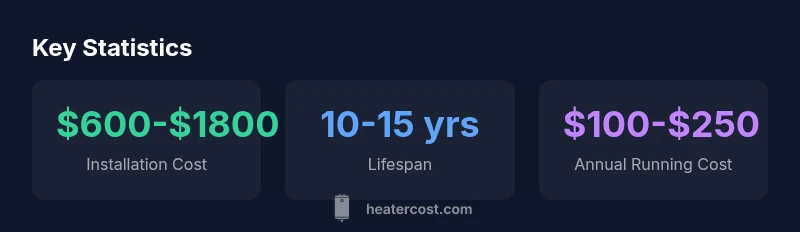
A typical residential hot water cylinder costs about $600-$1800 to install or replace, depending on capacity, energy source, and labor factors. Higher-capacity models, electric or gas energy sources, and local permit requirements can push the price toward the upper end. This quick answer sets the stage for a deeper look at sizing, efficiency upgrades, maintenance, and ongoing running costs in 2026.
What is a hot water cylinder and how it works
A hot water cylinder is a storage tank that preheats and holds heated water for the home. In residential settings, it typically sits in a utility closet, garage, or airing cupboard where it can be connected to your boiler or electric heating element. The basic idea is simple: water is heated to a set temperature and kept hot until taps are opened. A thermostat turns the heating element or burner on and off to maintain the desired temperature, while a temperature and pressure relief valve protects the tank from overpressure. The term 'hot water cylinder' is common in many markets, though some regions use terms like storage heater or hot water tank. Standby heat loss—water kept hot between uses—drives ongoing energy costs, so insulation and correct sizing are essential for efficiency. For homeowners, understanding this device helps demystify cost implications, especially when comparing models or planning replacements. According to Heater Cost, the total cost of owning a hot water cylinder includes the upfront install price, ongoing energy use, and eventual replacement in the product lifecycle.
Key factors influencing cost and efficiency
Several variables determine how much a hot water cylinder will cost to own and operate. Size is the biggest driver: larger cylinders hold more hot water but require more energy to maintain. The energy source—electric, gas, or solar—affects both upfront installation and ongoing running costs. Insulation quality, pressure rating, and the location of the unit influence heat loss and labor charges. Replacement cycles, warranty terms, and local permit requirements also shape the total cost of ownership. For homeowners, it is crucial to balance short-term upfront expense with long-term running costs. Heater Cost analysis shows that better insulation and more precise temperature control can reduce standby losses by a meaningful margin, especially in cooler climates. In practice, choosing a well-insulated cylinder with a suitable standby temperature is often more cost-effective over a 10- to 15-year period.
Sizing guidance for homes and budgets
Sizing a hot water cylinder correctly ensures you have enough hot water without excessive energy waste. A common rule of thumb is to plan for about 40–60 liters of usable hot water per person during peak demand, adjusting up for households with long showers or frequent baths. Families of four typically fit within the 140–200 liter range, while smaller households may do well with 80–120 liters. In colder regions, allow for a slightly higher capacity to compensate for standby losses. When budgeting, include the upfront cost, potential energy rebates, and any local permit fees. According to Heater Cost, the best approach is to analyze your family’s typical daily hot water use and then select a cylinder with a similar or slightly higher capacity. A professional assessment can help validate the sizing choice and reduce the risk of oversizing or undersizing.
Installations, permits, and professional costs
Installation of a hot water cylinder involves more than dropping a tank into a cupboard. It includes connections to water lines, venting (for gas or solar-powered systems), electrical work or gas piping, and regulatory compliance. Permits and inspections add to the upfront cost, and local regulations vary widely. Your installer will often check the existing plumbing layout, the availability of a dedicated electrical circuit, and the space for expansion or maintenance access. If you are upgrading from an older cylinder, consider whether a new unit can be relocated to improve access and reduce heat loss. The budget should also include disposal of the old cylinder. Heater Cost notes that permits and labor can differ regionally, so obtaining multiple quotes and confirming included items is wise. A well-planned installation minimizes disruption and helps ensure long-term reliability.
Maintenance and longevity tips
Regular maintenance extends the life of a hot water cylinder and preserves efficiency. Flush the tank at least once a year to remove sediment that reduces heat transfer. Check the anode rod (if applicable) and the temperature/pressure relief valve to ensure they operate correctly. Insulation should remain intact around the cylinder and any accessible pipes; replace worn jackets where necessary. Watch for signs of leakage, corrosion, or unusual noises, which may indicate internal problems or wear. If you notice frequent temperature fluctuations, consult a licensed technician to recheck the thermostat settings and heat source. Maintenance habits can reduce energy consumption and minimize the risk of sudden failure. The Heater Cost team recommends scheduling a professional service every 2–3 years for mid-life cylinders and whenever you notice performance declines.
Tank vs cylinder alternatives and modern options
Many homes now consider replacing a traditional hot water cylinder with a tankless system, heat pump water heater, or solar storage. Tankless heats water on demand and can reduce standby losses, but may require upgraded gas lines or electrical capacity and can have limited output during high demand. Solar storage with a cylinder can lower energy costs in sunny climates but depends on roof orientation and climate. A hybrid approach combines a heat pump with a storage tank. Each option has pros and cons for upfront cost, installation complexity, and long-term savings. When deciding, consider your household hot water needs, climate, and utility rates. For many households, a properly sized cylinder remains the simplest and most cost-effective choice, especially in regions with limited access to solar or reliable high-speed electricity.
Practical optimization: energy efficiency upgrades
Beyond sizing, several upgrades can trim running costs. Add or improve insulation around pipes and the cylinder to reduce heat loss. Install a high-efficiency thermostat and aim for a conservative storage temperature (for example, 50–60°C, but follow local guidelines). Consider cylinder wraps or jackets rated for your climate. If your home has an older cylinder, upgrading to a more efficient model can pay back via lower energy bills over time. For electric cylinders, upgrading to a model with a higher energy factor or adding solar pre-heating can yield meaningful savings. For gas cylinders, ensure the burner is well-tuned and the flue is clear. A simple audit of your hot water usage, shower duration, and faucet leaks can uncover quick savings. In summary, combining appropriate sizing with targeted efficiency upgrades is typically the most reliable way to lower total ownership costs for a hot water cylinder, according to Heater Cost Analysis, 2026.
Comparison of common hot water cylinder configurations
| Cylinder Type | Typical Capacity (L) | Energy Source | Typical Installed Cost Range |
|---|---|---|---|
| Traditional Cylinder | 140-200 | Electric or Gas | $600-$1800 |
| Compact Cylinder | 80-120 | Electric | $500-$1200 |
| Large/Commercial Cylinder | 200-400 | Gas or Electric | $1500-$4000 |
Got Questions?
What size hot water cylinder do I need for a family of four?
For a family of four, a cylinder in the 140–200 liter range is commonly suitable, depending on shower length and bath frequency. If your household uses longer showers or baths, consider edging toward 200 liters. A professional assessment helps ensure you don’t over- or under-size.
For a family of four, aim for around 150 to 200 liters, but get a professional check to tailor exactly to your habits.
Are hot water cylinders more expensive to run than tankless systems?
Tankless systems can reduce standby losses but may require greater upfront investment and capacity upgrades. Overall running costs depend on usage patterns and energy prices. A detailed cost comparison helps determine which option minimizes 10- to 15-year total costs.
Tankless can save on standby losses, but your overall cost depends on how you use hot water and your fuel type.
What maintenance does a hot water cylinder require?
Flush the tank annually to reduce sediment, test the pressure relief valve, and inspect insulation and connections. Replace worn anodes if applicable and schedule professional checks every few years to sustain efficiency.
Flush yearly, check the relief valve, inspect insulation, and have a pro service every few years.
How long does a hot water cylinder typically last?
Most hot water cylinders last about 10–15 years with proper maintenance. Severe leaks, scaling, or corrosion can shorten life, while efficient operation and timely replacements extend it.
Most last 10–15 years with good maintenance; replacements may be needed sooner if leaks appear.
Do permits affect installation cost?
Yes. Permitting and inspections add to upfront costs and vary by location. Ask your installer for a clear breakdown of permit-related charges and what inspections cover.
Permits usually add to upfront costs; get a clear breakdown from your installer.
Is a heat pump water heater a good upgrade for a cylinder?
Heat pump water heaters can dramatically improve efficiency in suitable climates but require more space and higher upfront costs. They work best where electricity is affordable and climate supports heat extraction.
A heat pump can be great for efficiency if you have space and favorable electricity costs.
“Choosing a hot water cylinder isn't just about upfront price. It's about the total cost of ownership—installation, energy use, maintenance, and the timing of replacement.”
The Essentials
- Assess your peak hot water needs before sizing.
- Factor upfront install costs with long-term running costs.
- Improve insulation to cut standby losses and energy use.
- Regular maintenance extends cylinder life and efficiency.
- Consider Tank vs Cylinder options based on climate and usage