Hot Water Gas Heater: Costs, Installation, and Maintenance in 2026
Learn the costs, installation steps, sizing, venting, maintenance, and comparisons for hot water gas heater systems in 2026. Heater Cost analyzes upfront costs, efficiency, safety, and practical tips for homeowners, renters, and property managers.


A hot water gas heater is typically the most economical option for homes with higher hot-water demand, offering faster recovery than most electric models. When properly sized and vented, operating costs can be competitive with electric systems, while upfront costs include the unit, installation, and permitting. This guide presents the essentials for 2026 so homeowners can estimate totals and plan accordingly.
What is a hot water gas heater?
A hot water gas heater is a device that uses natural gas to heat water for domestic use, stored in a tank or produced on demand by a tankless system. In many homes, gas-fired heaters deliver reliable hot water with faster recovery times than electric models of similar size. According to Heater Cost, gas-fired options remain cost-effective for households with moderate to high hot-water needs, provided sizing and venting are correct. The choice between storage-tank and tankless gas water heaters hinges on space, usage patterns, and longevity goals: tanks store hot water for quick access, while tankless units heat water on demand, reducing standby losses. This section explains how each type works and what that means for your bill and comfort.
Understanding the difference between storage-tank and tankless gas water heaters is key. Storage tanks hold a reserved hot-water supply and heat water continuously to keep it ready. Tankless systems heat water only when you turn on a hot faucet, improving efficiency but sometimes affecting flow during peak demand. Heater Cost’s 2026 analysis shows that the right choice depends on household patterns, fuel costs, and the physical space available for installation.
When you plan, consider the climate impact and local utility rates. In regions with lower natural gas prices, a gas heater can maintain favorable operating costs relative to electric models. Always factor in venting requirements and potential retrofit costs. This decision should align with long-term goals for reliability, comfort, and resale value, especially in multifamily properties where water-heater needs are substantial.
Cost considerations: upfront, installation, and permits
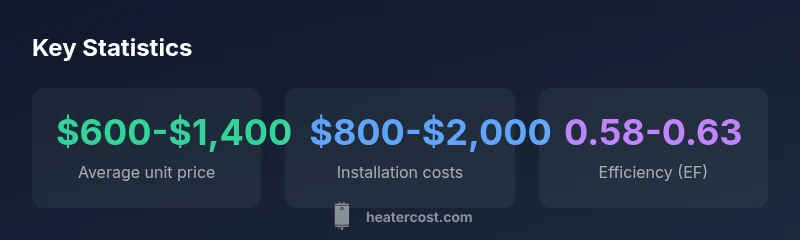
When budgeting for a hot water gas heater, the upfront unit price is only part of the picture. Installation costs can vary widely based on home layout, existing venting, and local permitting requirements. A typical installation may require new venting or re-routing, gas-line upgrades, and a permit from the city or county. Heater Cost's analysis shows that total project costs often fall within a broad range, reflecting regional labor rates and code compliance. To avoid surprises, request a formal written estimate that itemizes the heater, venting, permits, and any required retrofits. Additionally, consider future energy costs, as natural gas prices and utility tariffs influence long-term savings.
Sizing and efficiency: choosing the right model
Sizing is critical for comfort and efficiency. Oversized heaters waste energy; undersized units struggle to keep up with demand. Sizing is influenced by household hot-water usage, number of bathrooms, and climate. As a rule, a 40-50 gallon storage tank is common for many homes, while tankless gas heaters scale to flow rates measured in gallons per minute (GPM). Efficiency is often expressed as EF or UEF; higher values indicate less energy waste. In 2026, higher-efficiency gas models can deliver more consistent temps with smaller environmental impact, though initial cost is higher. Consulting a licensed professional helps match storage or tankless configurations to your peak daily use and climate.
A practical sizing approach includes calculating peak simultaneous hot-water demand and comparing it to the heater’s recovery rate. For households with frequent simultaneous uses (shower plus dishwasher plus laundry), a larger storage tank or a high-flow tankless unit may be necessary. Remember regional climate effects: colder inlet water requires more heat input to reach comfortable temperatures, which can influence both efficiency and fuel consumption.
Installation and venting basics
Gas water heaters require proper venting to the outdoors to remove combustion byproducts. Vent types include natural-draft and power-vented configurations; in tight homes, power-vented units with PVC exhaust may be used. The vent path must be airtight and sloped to avoid condensation. A licensed plumber or HVAC contractor should handle gas line connections and vent installation. Improper venting or gas hookups pose safety risks and can violate code, which would invalidate warranties and insurance coverage. Plan for clearance around the unit and accessible service access.
Before installation, ensure your access to a reliable natural gas supply and confirm if your home is suitable for a power-vented system or requires venting relocation. A correct venting setup not only improves safety but also helps maintain heater efficiency by minimizing backdrafts and condensation, especially in spaces with limited vertical height. A professional installation minimizes the likelihood of leaks, carbon monoxide concerns, and future repair costs.
Maintenance and replacement timing
Regular maintenance protects performance and safety. Flushing the tank annually or per manufacturer recommendations helps remove mineral buildup, extending life. A thermostat check ensures safe water temperatures, typically around 120 degrees Fahrenheit. Gas valves and venting should be inspected during annual service. Most gas water heaters last about 10-12 years, depending on usage and maintenance, after which replacement becomes more cost-effective than costly repairs. Keeping an eye on signs of rust, leaks, or reduced hot water can prevent emergencies.
Proactive maintenance reduces the risk of sudden failures and extends the life of the heater. A scheduled service visit should include flushing, burner inspection, vent inspection, and an evaluation of insulation around the storage tank. Addressing mineral deposits early can preserve heating efficiency and prevent noisy operation or temperature inconsistency. If the unit is approaching the end of its expected life or requires frequent repairs, starting a replacement plan with a licensed professional can prevent cold showers and unexpected outages.
Safety, codes, and local permits
Safety is not optional with gas-powered appliances. CO detectors should be installed in sleeping areas and near the unit. Local codes determine permit requirements, venting standards, and setback rules. Failing to obtain proper permits can void warranties and complicate insurance claims. Always work with licensed professionals to ensure compliance with current codes, including vent sizing, gas appliance clearance, and seismic bracing if required by your jurisdiction. A well-documented installation reduces risk and improves long-term reliability.
Staying current with code changes is essential since some regions tighten venting and combustion air requirements or mandate modern, sealed-combustion units. Ask your installer to present the final permit approvals and any manufacturer documentation that confirms compliance. This documentation can ease future resale, insurance, and service planning.
Gas vs electric and tankless vs traditional: a practical comparison
For homes with high hot-water demand, a gas water heater can be more economical than electric models because natural gas prices and combustion efficiency favor gas in many areas. Tankless gas systems offer endless hot water and compact footprints but may cost more upfront and require more complex venting. Traditional gas storage tanks provide reliable performance at lower upfront cost, but incur standby heat losses. When evaluating options, calculate gallons per minute needs, local energy prices, and available space. This analysis helps homeowners decide which configuration balances comfort, cost, and longevity.
Comparison of gas water heater models
| Model Type | Typical Efficiency | Common Tank Size |
|---|---|---|
| Conventional gas water heater (tank) | 0.58-0.63 | 40-50 gallons |
| Tankless gas water heater | 0.82-0.92 | On-demand (no tank) |
| Power-vented gas water heater | 0.62-0.70 | 40-50 gallons |
Got Questions?
What is the typical lifespan of a gas water heater?
Most gas water heaters last about 10-12 years, depending on usage, water hardness, and maintenance. With regular servicing, some units can reach longer lifespans, but it’s wise to plan for eventual replacement after the mid-life mark.
Gas water heaters typically last around a decade or a bit longer with good maintenance.
Is venting required for gas water heaters?
Yes. Proper venting to the outdoors is essential for safety and efficiency. The vent type (natural-draft vs. power-vent) depends on the unit and the home’s design.
Venting is required to safely remove combustion byproducts.
What affects the cost to install a gas water heater?
Costs vary with unit type, existing venting, gas line updates, permits, and labor. Some homes need retrofits that increase both time and expense.
Costs depend on unit, venting, permits, and local labor rates.
Can I switch from electric to gas without permits?
Most jurisdictions require permits for gas appliance installation, and some require inspections. Check local codes before starting work to avoid warranty or insurance issues.
Permits are usually required; check your local codes before installing a gas heater.
Should I consider an electric, gas, or tankless gas heater?
Gas often offers lower operating costs for higher hot-water demand. Tankless gas units provide endless hot water but may cost more upfront and require venting. Your choice depends on usage, space, and budget.
Think about your water use, space, and upfront vs long-term costs.
“Gas-fired water heaters remain a cost-effective, reliable option when properly sized and vented. Proper maintenance and regular flushing can extend life and optimize efficiency.”
The Essentials
- Actively assess your hot-water needs before choosing a gas heater
- Factor upfront costs, venting, and permits into the total budget
- Choose a tank vs. tankless approach based on space and demand
- Choose higher EF/UEF heaters if you want better long-term efficiency
- Regular maintenance extends the unit’s life and performance