High Efficiency Water Heater: Costs, Efficiency, and Selection
Explore costs, efficiency, and practical tips for high efficiency water heaters. Learn sizing, installation, and maintenance strategies to maximize long-term savings.


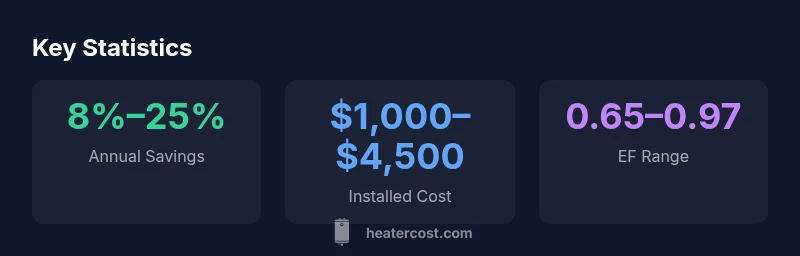
High efficiency water heaters typically cost between $1,000 and $4,500 to install, depending on unit type, fuel, and location. Energy savings can range from 8% to 25% annually compared with standard models. According to Heater Cost analysis, selecting the right size, installation approach, and regular maintenance yields the best payback.
Why a high efficiency water heater matters
A high efficiency water heater reduces ongoing energy costs and minimizes standby heat loss, which is especially important for homes with high hot water demand. According to Heater Cost, upgrading from older, inefficient models can noticeably lower monthly utility bills and improve comfort. When evaluating options, homeowners should compare energy factors, installation complexity, and long-term maintenance needs. In many cases, the best results come from a properly sized system paired with a professional installation, which ensures that performance targets are met from day one. This section explains how efficiency translates into real-world savings and why it matters for different home types and fuels.
- The core metric to watch is the Energy Factor (EF) or Uniform Energy Factor (UEF).
- Tankless or high-efficiency tank systems both offer benefits; the choice hinges on hot water usage patterns and space.
- Regular maintenance helps sustain efficiency and extend system life.
Tanked vs Tankless: Which type delivers better efficiency?
Efficiency is not a one-size-fits-all attribute; it depends on design, usage, and climate. Tankless models often deliver higher efficiency on paper (higher EF/UEF and less standby loss) but can have higher installation costs and potential upsides in multi-head usage. Tank systems generally provide robust reliability and may be more cost-effective in homes with variable hot water patterns. Practical decisions hinge on daily hot water demand, fuel type, and local energy prices.
What to consider:
- Energy efficiency ratings (EF/UEF) and how they translate to your usage patterns.
- Installation costs and any retrofits required for venting or gas lines.
- Space considerations, maintenance frequency, and potential for battery back-up in outages.
Sizing and installation basics
Sizing a high efficiency water heater correctly is critical to outperforming older units. An undersized unit struggles to meet peak demand, while an oversized unit wastes energy. Installations should account for peak hour requirements, recovery rate, and climate. For tankless systems, sequencing and gas supply pressure can influence performance; for tank systems, insulation and proper venting matter. A professional load calculation helps ensure the chosen model matches household needs, avoiding wasted energy and frequent rebuilds.
Energy efficiency ratings and what they mean
EF and UEF ratings quantify the energy efficiency of water heaters, with higher numbers indicating better efficiency. Modern high efficiency heaters often boast EF/UEF ranges that reflect improvements in insulation, burner technology, and heat exchangers. When comparing models, look beyond sticker numbers; consider real-world performance in similar households. Utilities and manufacturers frequently publish performance data that can guide expectations about annual energy use and operating costs.
Cost considerations: upfront vs long-term savings
Investment decisions should balance upfront costs with long-term savings. While high efficiency units typically cost more to purchase and install, the annual energy savings can translate to meaningful payback periods—often several years depending on usage and fuel. In regions with favorable utility rates or rebates, payback can shorten. When planning, include potential maintenance costs and the anticipated lifespan of the model to estimate total cost of ownership.
Maintenance and lifespan tips
Regular maintenance extends the life of high efficiency water heaters and preserves efficiency. Flushing mineral buildup, inspecting anodes, and checking venting and connections are routine tasks. Schedule annual professional inspections to catch issues early. Replacing worn components and addressing leaks promptly reduces the risk of efficiency loss and unexpected failure, preserving hot water reliability and household comfort.
Real-world installation scenarios: home types and fuel choices
Homes with natural gas lines, propane access, or electric service face different constraints. Tankless gas models may excel in homes with high demand but require adequate venting and gas pressure. Electric tank systems can be ideal where gas is unavailable but may entail higher electricity costs in some regions. Consider climate, hot water usage patterns, and utility rate structures when selecting a system. A well-matched choice minimizes energy waste and improves comfort.
How to maximize savings with smart controls and scheduling
Smart thermostats, dedicated hot water recirculation systems, and setback schedules can boost efficiency beyond a baseline high efficiency heater. Combine controls with proper insulation, leak prevention, and timely maintenance. Real-world savings come from aligning usage patterns with the heater’s recovery capabilities and monitoring energy use over time.
Quick-start checklist for homeowners upgrading
- Determine daily hot water needs and peak demand.
- Compare EF/UEF ratings across models and fuels.
- Get a professional load calculation and quote.
- Check local rebates and tax incentives to reduce net cost.
- Plan for proper venting, insulation, and maintenance schedule.
Cost and efficiency ranges for high efficiency water heaters
| Metric | Low end | High end | Notes |
|---|---|---|---|
| Installed cost (unit + install) | $1,000 | $4,500 | Varies by unit type and locale |
| Annual energy savings vs standard | 8% | 25% | Depends on usage and climate |
| EF range | 0.65 | 0.97 | Higher EF means better efficiency |
| Lifespan (years) | 10 | 20 | Model and maintenance dependent |
Got Questions?
What defines a high efficiency water heater?
A high efficiency water heater relies on higher Energy Factor (EF) or Uniform Energy Factor (UEF) ratings, better insulation, and efficient burners. It reduces standby heat loss and uses advanced technologies. Efficiency gains vary by fuel type and installation.
A high efficiency water heater uses better insulation and higher EF or UEF ratings to cut energy use.
Which is more cost-effective: tank or tankless?
Tank models typically cost less upfront but may consume more energy over time; tankless models cost more initially but can offer greater efficiency and endless hot water in theory. The choice depends on hot water needs and space.
Tankless models cost more upfront but can save energy and space in the right home.
What is the typical payback period for upgrading?
Payback depends on energy prices, usage, and system cost. In many cases, the payback ranges from three to seven years, with regional factors influencing outcomes.
Payback typically falls between three and seven years depending on usage and energy prices.
Does climate affect savings with high efficiency heaters?
Climate and usage patterns influence savings. In milder climates with high hot water demand, efficiency upgrades often yield larger relative savings, while venting and fuel considerations matter in colder regions.
Climate and usage patterns influence how much you save with a high efficiency heater.
Are there tax credits or incentives available?
Federal and state incentives exist in some areas, and utility rebates can offset purchases. Availability varies by location, so check local programs and utility offers.
There may be rebates or credits depending on where you live—check local programs.
What maintenance is required to maximize lifespan?
Regular flushing to remove mineral buildup, inspecting anodes, and annual professional checks help extend life and maintain efficiency. Address leaks promptly.
Keep the system flushed, inspect annually, and fix leaks promptly.
“"Choosing a high efficiency water heater is about balancing upfront costs with long-term energy savings. Proper sizing and professional installation are essential to unlock the full potential of these systems."”
The Essentials
- Identify your home’s hot water needs before choosing a model.
- Compare EF/UEF ratings along with fuel type for real savings.
- Expect a broad installed-cost range; rebates can help shorten payback.
- Tankless models save space and can boost efficiency in the right home.
- Regular maintenance sustains efficiency and extends lifespan.