Heater Water Tank Costs: A Practical Homeowner Guide 2026
Explore heater water tank costs, sizing, installation tips, and maintenance insights to estimate long-term hot water expenses for homes and rentals in 2026.


Tank sizes for residential heater water tanks typically range from about 20 to 80 gallons, balancing hot-water supply with energy use. In most homes, a properly sized tank prevents frequent reheating while avoiding excess standby losses. According to Heater Cost analysis, choosing the right tank size hinges on household demand, occupancy, and climate, with efficiency and maintenance shaping total costs.
What is a heater water tank?
A heater water tank is a large insulated cylinder that stores heated water for household use. The primary goal is to ensure hot water is available on demand without waiting for the heater to heat water from scratch every time. Most residential tanks are either electric or gas-fired, and they sit in utility rooms, garages, or basements. Key components include the heat source (electric coils or a gas burner), the insulated shell, the thermostat that regulates water temperature, and the dip tube that returns cold water to the bottom for heating. A sacrificial anode rod helps prevent corrosion, while the anode's life is a signal of when the tank might need service. On the outlet side, a temperature and pressure (T&P) relief valve is a safety feature. Insulation and a protective exterior shell minimize heat loss, but energy is still wasted when the water sits idle. For larger homes or high-demand households, the tank size and recovery rate become especially important to prevent long waits for hot water.
Sizing and capacity: How to choose a heater water tank
Choosing the right heater water tank size depends on how much hot water your household uses during peak hours, how many fixtures run simultaneously, and whether you have occasional guests or seasonal needs. Start by listing typical activities (showers, laundry, dishwashing) and estimate daily gallons consumed. Then compare to common tank sizes, recognizing that larger tanks reduce the chance of running dry but increase standby energy losses. In many homes, common ranges are in the 20-40 gallon category for compact spaces, 40-60 gallons for mid-sized families, and 60-80 gallons for larger households or frequent simultaneous use. Consider climate and water temperature preferences because climate can influence recovery rate and temperature settings. An efficient approach is to match the tank's first-hour rating (FHR) or recovery rate to your peak usage, not just your daily average. If you rent or manage multiple units, plan for occupancy changes over time.
Efficiency and energy costs: Impact of standby losses
Efficiency for a tank primarily depends on its energy factor (EF) or similar rating, and on how well the system minimizes standby losses when hot water sits in the tank. Standby losses come from heat escaping through the tank walls, fittings, and pipes. Small increases in tank temperature can significantly raise energy use, so many homeowners set thermostats around 120°F for comfort and safety while balancing mineral scaling. Insulation thickness and quality also matter: the better insulated the tank, the less energy is wasted. When comparing models, consider long-term operating costs rather than upfront price alone, because modest differences in efficiency accumulate over years. Based on Heater Cost analysis, typical savings from upgrading to a higher-efficiency model may be realized through reduced standby losses and longer intervals between re-heats, particularly in homes with low daily hot-water demand or in climates with milder winters. For renters and landlords, selecting a unit with good efficiency helps stabilize utility bills across units.
Installation and maintenance basics
Professional installation ensures the venting, gas connections, or electrical wiring comply with local codes and safety standards. Improper installation can undermine efficiency and safety, causing leaks or odors. After installation, schedule regular maintenance: inspect the anode rod every few years, flush the tank to remove sediment, and test the temperature-pressure relief valve annually. In homes with hard water, mineral buildup reduces heat transfer and shortens equipment life, making annual flushing more important. If the system uses an expansion tank or a pressure-reducing valve, ensure these components are sized correctly to avoid undue stress on the tank. For safety, never block access to the unit and keep the space well-ventilated. Routine checks can catch leaks early, prevent the growth of mold in damp spaces, and extend the life of both the tank and its energy source.
Common problems and signs your tank needs service
Even a well-designed heater water tank shows warning signs when something is amiss. Leaks near connections or the bottom of the tank, rusty water, or puddles are obvious indicators of failure or corrosion; these require immediate attention. Temperature fluctuations, inconsistent hot water, or unusually long heating times suggest thermostat or burner issues. Sediment buildup at the bottom reduces efficiency and raises stress on the heat source; a simple flush can help, but persistent buildup may require professional cleaning. A failing anode rod can accelerate corrosion, so listen for unusual knocking sounds or water discoloration. If the expansion tank or relief valve remains stuck or leaks, it may indicate an overpressure condition. Addressing these problems promptly can prevent catastrophic failure and costly water damage.
Tank vs tankless: Pros and cons for different homes
Tank-based systems offer reliable hot water storage and simple operation, but they must heat a reservoir continuously, incurring standby losses. Tankless systems heat water on demand, delivering virtually unlimited supply with minimal standby losses, yet they come with higher upfront costs and more complex installation. For households with high simultaneous demand or when retrofitting older homes, a hybrid approach or a well-sized tank may be more cost-effective. If your climate is cold and you use hot water quickly in bursts, a tank with good insulation and a proper recovery rate can outperform a small tankless unit in terms of comfort and cost over time. Always assess your peak usage, available space, and whether your existing plumbing would accommodate a new configuration. In rental properties, maintenance and service agreements can influence long-term value as much as purchase price.
Cost considerations: upfront, operating, and replacement costs
Understanding total cost of ownership means looking beyond sticker price. Upfront costs include the tank, installation, and any required permits; ongoing operating costs depend on energy use and local utility rates. Replacement costs occur when the tank or related components reach end of life, requiring part replacements or a full system upgrade. Realistic ranges for typical residential tanks reflect regional differences and energy sources, so it is important to obtain multiple quotes. For many homeowners, modest efficiency improvements and correct sizing translate into meaningful savings over a decade or more. Keep in mind that incentives, rebates, and tax credits may apply depending on your location and program availability in 2026. The Heater Cost team recommends comparing long-term energy costs and maintenance schedules when evaluating options.
Financing, incentives, and planning for the future
Financing options, rebates, and incentives can help manage the cost of a heater water tank upgrade. Check with local utility providers and state programs for energy efficiency rebates and low-interest loans. If you operate rental properties, consider multi-unit incentives and bulk-install discounts. Planning for delivery, installation, and potential permit timelines reduces project delays and price fluctuations. A thoughtful plan should include a sizing assessment, a maintenance schedule, and a contingency fund for unexpected repairs. By aligning your upgrade with energy cost trends and conservation goals, you can improve resilience and reduce long-term expenses as part of a broader home efficiency strategy.
Practical sizing checklist and quick reference
Use this checklist to confirm you're choosing a suitable heater water tank size for your home: estimate daily hot-water usage, determine peak hour demand, compare FHR ratings, ensure proper insulation, check space, and verify future occupancy scenarios. Use the checklist in conjunction with local codes and a licensed installer to ensure safe operation. This practical guide helps homeowners and managers maintain comfort while controlling running costs across seasons and occupancy changes.
Comparison of tank sizes and uses
| Aspect | Tank Size Range | Typical Uses |
|---|---|---|
| Residential standard tank | 20-80 gallons | Single-family homes |
| Compact space tank | 10-30 gallons | Apartments or studios |
| Mid-size family tank | 40-60 gallons | Standard households |
| Large capacity tank | 60-80 gallons | Multifamily or high demand |
Got Questions?
What is the typical tank size for a family of four?
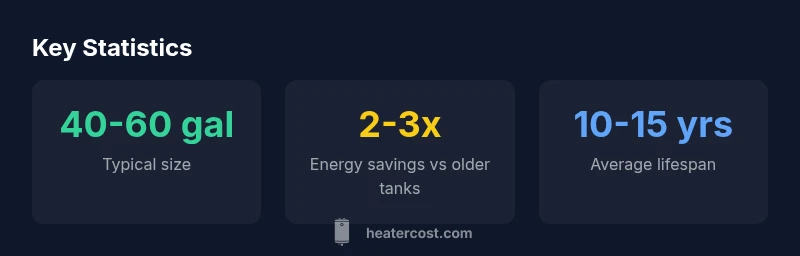
For a four-person household, common tank sizes range from about 40 to 60 gallons, depending on usage patterns and fixtures. To avoid short outages, many households choose the upper end of that range or consider a larger model if you have high shower and laundry demand.
For a family of four, a 40 to 60-gallon tank is typical, but choose the size based on your actual hot-water usage.
How long does a heater water tank last?
Most residential heater water tanks last about 10 to 15 years with proper maintenance. Regular flushing, anode rod inspection, and timely component replacements can extend life, while hard-water conditions may shorten it.
Most tanks last 10 to 15 years with regular maintenance. Hard water can shorten that lifespan.
Should I replace a tank or go tankless?
Tankless systems offer energy savings and space advantages but come with higher upfront costs and installation complexity. If you have steady demand and limited space, a well-sized tank can be more cost-effective over time.
Tankless saves energy but costs more upfront. For steady need and space limits, a tank can be more economical long-term.
What maintenance extends tank life?
Flush the tank annually to reduce sediment buildup, inspect the anode rod, test the pressure relief valve, and verify connections. In hard-water areas, more frequent flushing may be beneficial.
Flush annually, check the anode rod, and test the relief valve to extend life.
Do incentives affect the total cost?
Yes. Local rebates and efficiency incentives can lower upfront costs and shorten payback periods. Always check current programs in 2026 before purchasing.
Incentives can lower upfront costs and shorten payback; check 2026 programs before buying.
Can a tank be installed in a small closet?
Yes, provided there is adequate clearance, venting (for gas), drainage, and access for maintenance. A professional installer can assess space, piping, and codes to ensure safe operation.
A small closet can work with proper space, venting, and access for maintenance.
“A well-sized heater water tank balances upfront cost with long-term energy savings by reducing standby losses and meeting peak demand.”
The Essentials
- Match tank size to peak hot-water demand.
- Consider efficiency to reduce standby losses.
- Plan for occupancy changes in future needs.
- Factor incentives and maintenance into total cost.