RV Heater Repair Guide: Safe Troubleshooting & Maintenance
Learn safe, practical steps to diagnose and repair common RV heater issues, plus tips to extend life and efficiency. Checks, maintenance, and when to call a pro.


According to Heater Cost, you can safely diagnose and perform basic repairs on common RV heater issues with a prepared toolkit and a plan. This guide walks you through safe troubleshooting, routine maintenance, and when to seek professional help. You’ll learn essential checks, how to reset the system, and what parts you can replace yourself to restore warmth efficiently.
What is RV heater repair?
RV heater repair refers to diagnosing and remedying issues in your RV's heating system, typically a propane furnace or electric space heater integrated into the coach. Most common failures involve ignition problems, airflow blockages, thermostat misreads, or sensor fouling. The Heater Cost team emphasizes safety first: old components can be hazardous, and many repairs involve gas lines or electrical circuits. This guide provides practical, step-by-step guidance for homeowners, campers, and property managers seeking to restore warmth efficiently while minimizing risk. By understanding the system layout, recognizing warning signs, and using proper tools, you can often address minor faults without a full professional service. However, complex gas or wiring problems should be handled by a licensed technician to prevent carbon monoxide exposure, fire risk, or warranty voidance.
Common RV heater issues and root causes
When an RV heater fails to heat properly, it can stem from airflow issues, ignition faults, or sensor/thermistor problems. Common causes include dirty air filters restricting airflow, blocked exterior vents, a tired battery or blown fuse in the coach, a faulty thermostat, or a dirty flame sensor causing the burner to shut down. Gas smell or a CO detector alert can indicate improper venting or a gas leak. Noise such as banging, roaring, or rattling may signal loose ductwork or blower motor faults. Diagnosing requires patience and careful observation: note when the problem occurs (cold start, long runtime, or intermittent operation) and any recent changes (new filter, recent bump while traveling). The Heater Cost analysis shows that most issues are fixable with regular maintenance and careful inspection rather than complete replacement.
Safety first: essential precautions before troubleshooting
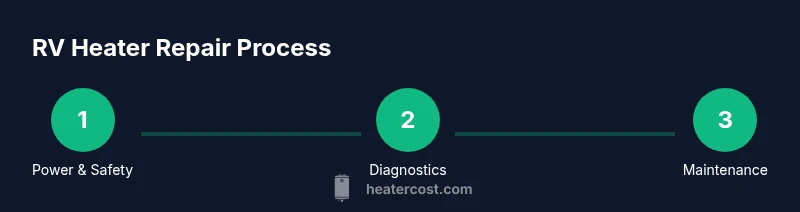
Before touching any heater components, power down the RV, turn off propane supply, and verify that CO detectors are functioning. Work in a well-ventilated area and never bypass safety devices. Have a fire extinguisher accessible and wear eye protection. If you smell propane strongly, evacuate and call emergency services. Keep a battery-powered lantern or headlamp handy if working at night. When inspecting, avoid loose clothing and use insulated gloves when handling hot ducts. Finally, consult your owner’s manual for unit-specific safety instructions and always follow local codes about propane appliances. These precautions help prevent carbon monoxide exposure and fire hazards during rv heater repair.
How to approach diagnosis and basic troubleshooting (overview)
A structured approach helps identify root causes without unnecessary disassembly. Start with the simplest checks: ensure the thermostat is set correctly, confirm the system has power, and replace the air filter if dirty. Inspect exterior vents for obstructions and clear debris. If you have a gas furnace, test the ignition sequence via the control panel, listening for the click and observing flame behavior (if safe to observe). For electrical issues, use a multimeter to verify supply voltage at the furnace and check fuses or breakers. Clean flame sensors and burner ports with appropriate tools if safe to do so. Record all findings and test results before reassembly. If the issue persists after these checks, escalate to a professional with a detailed report. This approach minimizes unnecessary service calls and keeps you safer.
Maintenance habits to prevent future RV heater problems
Regular maintenance reduces the likelihood of breakdowns and keeps your RV heater running efficiently. Schedule seasonal inspections, clean or replace air filters monthly during peak use, and inspect ductwork for leaks. Test CO alarms monthly and replace batteries as needed. Keep the exterior vent caps clear of leaves and debris, and ensure your propane connections are sealed and leak-free using soapy-water tests (only if you are comfortable and trained to do so). Schedule annual professional service for gas furnaces, including a combustion analysis if recommended by the manufacturer. Keeping electrolyte levels in the coach battery healthy, and ensuring proper insulation around the heater compartment can reduce strain on the system. Consistent maintenance can extend the heater’s life and lower energy costs over time.
Authority sources and additional reading
For reliable safety guidelines and best practices, consult these authoritative sources:
- Energy.gov on safe operation of propane appliances and home safety standards.
- CDC: Carbon Monoxide safety information for home and travel environments.
- NFPA: Fire and life safety guidance for gas-fired appliances and venting. These sources offer foundational information to support safe RV heating practices and proper maintenance.
Additionally, the Heater Cost team recommends reviewing the owner’s manual for your specific RV heater model and following local regulations about gas systems.
Red flags that mean you should stop and call a pro
If you notice a propane smell that persists after turning off the flow, if the CO detector sounds, if you hear uncontrolled flames or loud banging from ducts, or if ignition attempts repeatedly fail, stop troubleshooting and contact a licensed RV technician. Gas appliances are subject to local codes and require certification for safe operation. Do not attempt to bypass safety devices or modify gas lines. The cost of professional repair may be offset by avoiding dangerous risks and protecting occupants.
Quick reference checklist for RV heater repair at home
- Verify CO detectors and smoke alarms are functioning.
- Power down the system and propane supply before inspection.
- Replace dirty air filters and clear exterior vents.
- Check fuses, breakers, and thermostat settings.
- Inspect flame sensor and ignition components if you can do so safely.
- Record symptoms and test results to share with a pro.
Tools & Materials
- Safety gear (gloves, eye protection)(Keep fire extinguisher accessible)
- Non-contact voltage tester(To check power to the unit safely)
- Multimeter(For electrical checks and voltage verification)
- Screwdriver set (Phillips and flathead)(To open service panels and access components)
- Vacuum with nozzle attachment(Clean dust from air intake and vents)
- Replacement air filter(Install fresh filter to restore airflow)
Steps
Estimated time: 1-2 hours
- 1
Power down and prep
Disconnect the RV from shore power, switch off the main breaker for the heater, and shut off the propane supply if safe to access. This reduces the risk of shock or gas ignition while you inspect the unit.
Tip: Double-check that CO detectors are functioning before beginning work. - 2
Check the air filter and vents
Open the furnace access panel and inspect the air filter. Replace if dirty, then inspect exterior vents for obstructions like leaves or debris. A clean airflow path improves heat output and reduces strain on the blower.
Tip: A clogged filter is the most common cause of weak heat in RV heaters. - 3
Test the thermostat and power
Ensure the thermostat is set to a temperature higher than ambient and verify the unit has power using a non-contact tester. If the power is present but the unit won't start, move to the ignition check.
Tip: Reset the thermostat to factory settings if you notice erratic behavior. - 4
Inspect the ignition and flame sensor
If safe to view, listen for the ignition click and observe ignition flame; a sluggish or absent flame indicates ignition or sensor problems. Gently clean the flame sensor with a soft, dry cloth if corrosion is present.
Tip: Never scrape the burner ports; use a soft brush for cleaning. - 5
Check electrical components
With power restored, use a multimeter to verify voltage at the control board and inspect fuses or breakers. A tripped breaker or blown fuse can mimic other failures.
Tip: Document voltage readings and any abnormal readings for your service visit. - 6
Test safety devices and reassemble
Test CO and smoke detectors, reinstall the service panel, and run a short heat cycle to confirm proper operation. If any red flags appear (unburned propane smell, unusual noises), stop and seek pro help.
Tip: Keep a log of test results for future reference.
Got Questions?
What is the first step in RV heater repair?
Begin with safety: power down, close propane, and verify CO detectors are functioning. Then inspect basic components like filters and vents before attempting any repairs.
Start by safety checks, then inspect filters and vents before trying any repairs.
Can I replace an RV furnace control board myself?
Control boards are complex and involve gas and electrical systems. Unless you’re trained as an RV technician, expect to hire a professional for this part.
Control board work is best left to a qualified technician.
How often should I service an RV propane furnace?
Have a professional inspection at least once a year, with basic checks monthly by the owner, including filter changes and vent cleanliness.
Annual professional service, plus monthly DIY checks.
What signs indicate a gas leak?
A distinct propane smell, hissing sounds, or visible frost near connections are red flags. If you suspect a leak, evacuate and contact emergency services.
Propane smell or hissing means stop and call for help.
Are electric space heaters in RVs safer than propane?
Electric heaters avoid propane risks but require a reliable electrical supply. Propane furnaces provide more heat but carry gas and venting considerations.
Electric heaters avoid gas risks, but require enough electrical capacity.
Where can I find model-specific maintenance schedules?
Consult your RV heater’s owner manual and the manufacturer's website for model-specific schedules and safety warnings.
Check the manual and manufacturer site for your model.
Watch Video
The Essentials
- Start with safety checks before any repair.
- Most RV heater issues stem from airflow, ignition, or sensors.
- Regular maintenance prevents common failures and saves money.
- Know when to call a pro—safety comes first.