Rinnai Water Heater Repair: A Practical Guide
Learn how to diagnose, troubleshoot, and safely repair common issues with Rinnai water heaters. A practical, step-by-step guide with safety tips, maintenance advice, and cost considerations from Heater Cost.


In this guide you will learn how to diagnose and address common faults in Rinnai water heaters, perform safe troubleshooting, and decide when a repair is practical versus when replacement is wiser. You’ll follow a clear safety-first workflow, understand typical failure points, and know what tools you’ll need. This structured approach helps homeowners, renters, and property managers handle routine Rinnai repairs confidently and minimize downtime.
Understanding Rinnai Water Heaters: How They Work
Rinnai water heaters are designed to deliver hot water efficiently, using either gas ignition or electric heating elements depending on the model. Common components include the burner or heating element, temperature sensor, thermostat, heat exchanger, venting system, condensate trap on condensing models, and control board. For rinnai water heater repair, a solid grasp of how these parts interact helps you narrow down faults quickly. When you’re troubleshooting, start with symptoms (no hot water, fluctuating temperature, odd noises) and trace them back to the likely subsystem. This approach reduces unnecessary disassembly and keeps you focused on the root cause. In general, most issues fall into ignition/controls, sensor failures, valve problems, or venting/piping concerns. According to Heater Cost, basic safety awareness and model-specific manuals dramatically improve repair outcomes.
When Repair is Required: Symptoms and Diagnostics
Typical symptoms signaling a repair include intermittent hot water, no hot water despite a steady power supply, error codes on the display, unusual sounds, or frequent cycling of the unit. Start diagnostics by confirming power to the unit, then check for obvious blockages, leaks, or corrosion around valves and connections. Cross-check any error codes with the model manual; these codes point to particular subsystems such as ignition, flame sensor, thermistor, or flow sensor. For rinnai water heater repair, documenting the model number, serial, and installed venting type helps if you need to consult a technician or reference service bulletins. Heater Cost analysis notes that many faults originate in sensors or ignition components, which are typically more economical to address early rather than after escalation.
Safety First: Preparing for a Repair
Safety is non-negotiable when working on gas or electric water heaters. Before touching anything, switch off power at the breaker and shut off the gas supply if you’re dealing with a gas model. Use a non-contact voltage tester to confirm no live current, then ventilate the area and keep a detector nearby for gases. Wear protective eyewear and gloves, and never bypass safety interlocks or jumpers. If you smell gas, hear a hissing sound, or suspect a gas leak, evacuate immediately and call emergency services. These precautions protect you and everyone in the home while you perform diagnostics.
Essential Tools and Prep for Rinnai Repairs
A well-prepared toolbox makes a big difference in repair quality. You’ll typically need a digital multimeter, a non-contact voltage tester, a set of screwdrivers (Phillips and flat), an adjustable wrench, and possibly a gas leak detector solution or soapy water for leaks. Keep PTFE tape for thread sealing on gas or water fittings, electrical tape for safe wiring, and a flashlight for cramped spaces. If you don’t have the model’s service manual, a general Rinnai repair guide from Heater Cost can help you locate the correct diagrams before removing panels. Having replacement parts on hand (gaskets, igniters, or valves) is prudent only after confirming the fault to avoid unnecessary purchases.
Step-by-Step Troubleshooting Approach
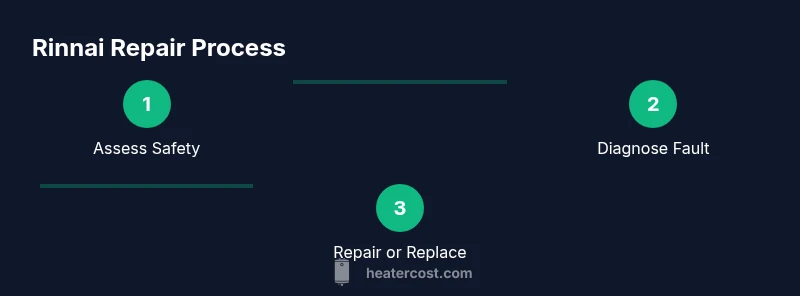
Troubleshooting a rinnai water heater repair involves a disciplined sequence: power down, verify safety, inspect error codes, test sensors, examine the ignition or heating element, review venting and condensate lines, perform leak checks, and test hot water output again. Document observations at each stage. If a fault remains after cleaning and component checks, consider calling a licensed technician—some models require service tools or factory programming that are not readily available to homeowners.
Maintenance to Prevent Future Breakdowns
Proactive maintenance reduces the likelihood of unexpected breakdowns. Regularly inspect venting for obstructions, clean intake air paths, and flush the heat exchanger to prevent mineral buildup. Schedule annual checks for gas connections, seals, and the condensate trap. Replace worn gaskets or seals promptly, and keep the control area free of dust and moisture. Routine maintenance can extend the life of a rinnai water heater and contribute to consistent energy efficiency. Heater Cost emphasizes keeping a simple maintenance log linked to model numbers and service dates for easy reference.
Cost Considerations and Repair vs Replacement Decisions
Repair costs for rinnai water heater issues vary by fault and unit age. Typical repair tasks include sensor replacements, igniter adjustments, or valve reseating, which are generally more affordable when caught early. If the unit is older than 10-12 years, or if multiple major components require replacement, replacement with a newer, energy-efficient model may offer better long-term value. Use cost ranges as a guide rather than fixed prices, and factor in installation complexities. Based on Heater Cost research, balance upfront repair costs against long-term reliability and energy efficiency gains when deciding between repair and replacement.
Tools & Materials
- Digital multimeter(to test electrical circuits and thermistor readings)
- Non-contact voltage tester(verify power is off before handling electrical components)
- Screwdriver set (Phillips and flat)(panel screws and terminal housings)
- Adjustable wrench (6-12 inch)(disconnect fittings and service valves)
- Nut drivers / pliers(gas and water fittings)
- Rinnai model-specific service manual or guide(diagnostic diagrams and safety steps)
- Replacement parts catalog (gaskets, igniters, or valves)(only after diagnosing the fault)
- PTFE tape (thread sealant)(seal gas and water fittings properly)
- Safety glasses and thermal gloves(eye and hand protection)
- Ventilation device or fan (optional)(improve air circulation in tight spaces)
- Soapy water or gas leak detector solution(check for leaks during reassembly)
Steps
Estimated time: 60-90 minutes
- 1
Power down and verify safety
Turn off the electrical supply at the circuit breaker and shut off the gas supply for gas models. Use a non-contact tester to confirm no live voltage before touching any wiring. Remove the front panel to access internal components; keep track of screws and connectors.
Tip: Always treat circuits as live until you confirm with a tester. - 2
Identify symptoms and model details
Document symptoms (no hot water, inconsistent temps, error codes) and locate the model and serial numbers. This helps you pull the exact service manual and any model-specific service bulletins. Clear labeling of observed signs speeds up later repairs.
Tip: Take photos of the control board and wiring before disconnecting anything. - 3
Test thermostat and sensor readings
Using the multimeter, verify thermostat setpoints and thermistor resistance values against the model’s specifications. Replace or recalibrate if readings are out of range, since sensors are a frequent fault source. Ensure the sensor leads are intact and properly seated.
Tip: A slight resistance drift can indicate a failing sensor. - 4
Inspect ignition system or heating element
For gas models, inspect the igniter and flame sensor for contamination or wear; replace as needed. For electric models, inspect the heating element for scale buildup or burnout. Look for loose connections or signs of arcing.
Tip: Handle igniters gently to avoid micro-cracks that fail under heat. - 5
Check venting, condensate, and piping
Inspect vent pipes for blockages, leaks, or improper slope. Ensure condensate lines are clear and routed correctly in condensating models. Tighten and reseal all piping connections after cleaning.
Tip: Even small vent blockages can cause flame rollback or safety shutdowns. - 6
Conduct leak testing and reassembly
Recheck all gas and water joints for leaks using soap solution or a detector. If you confirm no leaks, reassemble panels, reconnect power, and perform a controlled test run with hot water access. Monitor for any fault indicators.
Tip: Never reuse damaged o-rings or gaskets; replace with correct parts. - 7
Test run and observe performance
Turn the unit on and observe ignition, flame stability, and outlet water temperature. Check for error codes and confirm the unit cycles normally. Note any abnormal sounds or smells during the test run.
Tip: Run a longer hot water test to ensure steady performance. - 8
Decide on repair vs replacement
If the fault is isolated and parts are readily available, a repair is often cost-effective. For older units with multiple failing components, or if energy efficiency has degraded, replacement may offer better long-term value. Document the outcome for future reference.
Tip: Keep a repair log with dates, parts used, and next service window.
Got Questions?
What are the most common signs that my Rinnai water heater needs repair?
Frequent outages, fluctuating or no hot water, error codes on the display, or unusual noises typically signal a need for service. Start with safety checks, then consult the model manual to pinpoint the subsystem involved.
Common signs include inconsistent hot water, display error codes, and odd noises. Begin with safety checks before reviewing the system manual.
Can I repair a Rinnai water heater myself?
Simple issues such as sensor cleaning, basic wiring checks, and gasket replacements can be performed by a confident DIYer with proper safety precautions. Gas-related work or component replacement beyond basic maintenance should be handled by a licensed technician.
You can do some basic checks if you follow safety steps, but for gas work or major parts, hire a professional.
What should I do if there is a gas smell?
Immediately evacuate the area, avoid any electrical switches, and call the gas emergency line or local fire department. Do not attempt repairs if you suspect a gas leak.
If you smell gas, leave the area and call emergency services right away.
How do I reset a Rinnai water heater?
Power down the unit, wait 30 seconds, and restore power. If the unit displays an error, follow the manual’s error-code troubleshooting steps. Do not force resets if the code indicates a hardware fault.
Turn it off, wait briefly, then turn it back on and check for error codes.
Is it cheaper to repair or replace a Rinnai unit?
If the unit is relatively new and the fault is isolated, repair is usually cheaper. For older units with multiple failures or declining efficiency, replacement may offer better long-term value and energy savings.
Repair can be cheaper if the unit is newer and the issue is limited; otherwise consider replacement for value and efficiency.
Where can I find model-specific repair guidance?
Consult the Rinnai service manual for your model and trusted consumer guides. You can also reference the Heater Cost library for general troubleshooting steps aligned with common model families.
Check the model manual and trusted guides for model-specific steps.
What maintenance reduces future breakdowns?
Regular vent inspections, condensate line checks, periodic flushing of the heat exchanger, and gasket replacements reduce mineral buildup and waking failures. Schedule annual checks to sustain performance.
Regular checks of venting, condensate lines, and flushing help prevent future problems.
Watch Video
The Essentials
- Inspect sensors and ignition as primary failure points.
- Safety is the non-negotiable first step in any repair.
- Decide repair vs replacement based on age and fault scope.
- Use model-specific manuals to avoid missteps.
- Maintain a log for future prevention.