Heat vs Ice for Back Pain: Which Helps More Effectively?
Analyzing heat vs ice for back pain to guide homeowners on practical, stay-at-home therapy decisions. Learn when to use heat, when to use cold, and how to combine them safely for relief.


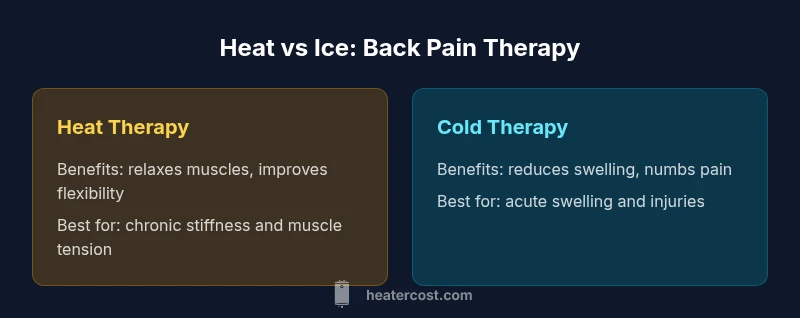
Heat and ice both offer relief for back pain, but they work differently. The quick answer is: ice is typically preferred for acute injuries and swelling, while heat helps relax tense muscles and improve flexibility. Many individuals benefit from a careful, timed alternation of cold and heat as part of a home care routine.
Is heat or ice better for back pain?
Is heat or ice better for back pain? The question comes up for every flare of the spine—from a twinge after lifting a box to a day-long throbbing ache from poor posture. The short answer is: there isn’t a single cure; the best approach depends on the type of pain, when it started, and how your body responds. This article breaks down the science, common practices, and practical tips you can apply at home. According to Heater Cost, the core idea is that both modalities have a legitimate role, but the timing matters as much as the modality itself. By understanding how each therapy affects tissues, nerves, and blood flow, you can tailor a simple, safe routine that fits your schedule and budget. In everyday terms, think of ice as a first-aid tool for recent injuries and heat as a comfort measure for stiffness or lingering soreness. The value for homeowners is clear: you can build an effective, low-cost back-pain plan using items you likely already have at home.
How heat works for back pain
Heat therapy increases blood flow and relaxes tight muscles, which can reduce perceived pain and improve range of motion. Warmth helps to loosen fascia and connective tissue, making it easier to perform gentle stretches or daily activities without triggering a painful slowdown. There are several ways to apply heat: moist warmth from a damp towel or warm bath, dry heat from a heating pad, or controlled warmth from a commercial heat wrap. For back pain, many people find that a moderate, continuous warmth for a short session yields better results than cranking up a high temperature. The key is to avoid overheating the skin or masking a more serious problem with warmth alone. If you notice redness, burning, or numbness, remove the heat source immediately and reassess. Heating is typically best for chronic episodes of stiffness, muscle tension after a long day seated, or when your back feels tight rather than acutely swollen.
How ice works for back pain
Ice therapy can reduce inflammation and numb pain by slowing nerve conduction and constricting blood vessels. This makes it particularly useful right after an injury, a sudden strain, or when your back is visibly swollen. Ice is commonly applied with a cold pack, gel pack, or even a bag of frozen vegetables wrapped in a thin towel. To minimize risk, avoid applying ice directly to skin and limit sessions to short intervals. A typical approach is to apply ice during the first 24 to 48 hours after acute onset of pain or swelling, then reassess. Ice can also be helpful for flare-ups that feel hot, sharp, or throbbing, as long as there is no numbness or pale skin. Ice should not be used on areas where there is poor circulation or neuropathy without medical guidance.
Acute vs chronic back pain: when to use heat or ice
Acute back pain, such as a new strain after lifting something heavy, often presents with swelling and tenderness. Ice tends to be the first choice to limit inflammation in those early hours or days. Once swelling subsides and the area feels warmer and more flexible, heat becomes a practical option to promote blood flow, relax muscles, and restore mobility. For chronic back pain—ongoing discomfort that persists for weeks or months—heat can help with stiffness and muscle fatigue, while ice can be used after unusually sore days or heavy activity. The overarching framework is to treat the dominant symptom first: swelling with cold, stiffness with heat, and use both with care to avoid overlapping extremes. When in doubt, start with a brief ice application on the affected region, then monitor how the pain responds over the next 24 hours before deciding whether heat should be introduced.
Practical guidelines for home use
Before you reach for a heating pad or a cold pack, make a quick assessment of your symptom pattern. If the pain feels swollen, hot, or bruised, cold therapy is typically appropriate. If the back feels stiff, tense, or makes you move gingerly, heat may provide relief. Always protect your skin: use a thin barrier such as a cloth or towel between skin and the device, and avoid prolonged exposure. Start with shorter sessions and gradually increase as tolerated. For home care, keep both cold and heat options within easy reach in a dedicated space. Label the devices, set reminders to check skin condition, and avoid using either modality while sleeping, which can lead to overheating or frostbite. If you have a history of circulatory issues, diabetes, or nerve damage, consult a clinician before using intense heat or cold. These guidelines apply across most adults, including homeowners, renters, and property managers seeking practical, low-cost relief.
Temperature devices and safety considerations
Choosing between heat and ice often comes down to equipment, accessibility, and safety. Heat comes in several forms: electric heating pads, microwaveable wraps, or warm baths. Ice can be stored in inexpensive packs or bags of frozen gel. Regardless of modality, never apply heat or cold directly to bare skin. Use a thin barrier, and avoid temperatures that cause skin blanching, burning, or numbness. People should not apply heat to acute injuries with active bleeding or infection, and cold therapy should be avoided for numb or poorly perfused skin. Always consult a healthcare professional if you’re unsure about a serious injury or if you notice symptoms such as weakness, numbness in the leg, or loss of bladder control. Durable, simple devices can last years and reduce ongoing costs, making them a practical option for homeowners, renters, and property managers.
When to seek professional help
While heat and ice can effectively reduce symptoms in many cases, not every back problem responds to home treatment. If pain persists beyond a week or two, worsens, or is accompanied by leg weakness, numbness, fever, or unintended weight loss, seek professional evaluation. A clinician can determine whether the pain is mechanical, inflammatory, or something more serious such as a herniated disk or spinal issue. Certain individuals—pregnant people, those with skin conditions, or people with circulatory or neuropathic disorders—may require tailored therapy. A physical therapist or physician can offer an integrated plan that combines modalities with exercise, posture training, and ergonomic adjustments. If you’re unsure, start a routine that uses one modality for a few days and reassess with a clinician’s input.
Combining heat and ice safely
Alternating between heat and ice can enhance relief, but the switches should follow logic rather than convenience. Start with the modality that targets your primary symptom: cold for swelling, heat for stiffness. Use each for 10–20 minutes per session, with at least an hour between changes to allow tissues to respond. Observe skin color, texture, and sensation during and after each session. If you notice new symptoms or no improvement after several days, reconsider the plan. For many households, a simple schedule works: cold for the first 24–48 hours after a flare, then heat on non-consecutive days to support movement and recovery. If you’re testing combinations, avoid mounting heat and cold at the same time or using maximum temperatures. The goal is consistent relief that supports daily activities rather than chasing pain.
Economic and lifestyle considerations
Home therapies are a cost-efficient first step for many back pain episodes. Ice packs and heating devices are relatively inexpensive, and their ongoing costs are limited to electricity or a small amount of ice or gel packs. From Heater Cost’s perspective, investing in even modest heating equipment can also offer benefits beyond pain management, such as improved comfort and potentially fewer trips to the doctor for minor flare-ups. For property managers, keeping a small kit in common areas can support employee well-being and reduce downtime. The key is to balance comfort, safety, and energy use. When choosing devices, consider energy efficiency, durability, and ease of use. If you run a home with multiple occupants, a shared approach to heat and cold therapy can save time and resources.
Quick-start: a simple home routine
This fast-start plan helps you implement a simple heat-ice routine within 1–2 days. Step 1: Identify whether your pain is primarily stiff or swollen. Step 2: Choose the appropriate modality for the initial 24–48 hours (ice for swelling, heat for stiffness). Step 3: Apply for 10–20 minutes, with breaks as needed, ensuring skin safety. Step 4: Reassess symptoms the next day, adjusting the balance between heat and cold as needed. Step 5: If discomfort persists or worsens, consult a clinician. This practical framework complements any professional guidance and works well for homeowners, renters, and property managers who want relief without heavy costs.
Comparison
| Feature | Heat therapy | Cold therapy |
|---|---|---|
| Best used for | Chronic muscle tension, stiffness, and poor circulation | Acute inflammation and swelling, soft tissue injuries |
| Onset timing | Typically gradual relief, suitable for ongoing symptoms | Best within the first 24-48 hours after injury |
| Typical duration | 15-30 minutes per session (as tolerated) | 10-20 minutes per session (as tolerated) |
| Risks/precautions | Burns if too hot/long; avoid with numb skin | Frostbite risk; avoid prolonged exposure; avoid open wounds |
| Convenience/cost | Flexible, minimal cost, many options | Usually inexpensive, readily available; simple setup |
| Best for | Muscle relaxation, flexibility, comfort | Swelling control, acute pain relief |
The Good
- Non-invasive, at-home therapy with quick availability
- Helps with both muscle tension (heat) and swelling (ice)
- Low ongoing cost and broad accessibility
- Can be combined with gentle exercise and posture work
Negatives
- Misuse can cause burns or frostbite if applied too long
- Not a substitute for medical care in serious injuries
- Effectiveness varies by individual and condition
- Over-reliance may mask underlying issues needing evaluation
Heat and ice each have a valid role; pick the modality by symptom and timing
Ice is generally better for acute swelling; heat is typically preferable for stiffness and chronic discomfort. A cautious combination strategy often yields the best relief, guided by symptom changes and skin safety.
Got Questions?
Is ice or heat better for a new back strain?
For a new strain, start with ice to limit inflammation and swelling. If symptoms persist after 1-2 days without improvement, consider adding heat to help relax surrounding muscles. Always monitor skin and overall function, and seek professional advice if there are worsening signs.
For a new strain, start with ice to reduce swelling, then add heat if stiffness remains. Monitor your skin and seek help if symptoms don’t improve.
Can I alternate heat and ice during the same session?
Yes, alternating can be beneficial, but keep each application brief and separate. Start with the modality addressing the predominant symptom, then switch after 10-15 minutes and rest for a while before reassessing. Avoid applying both at once or using extreme temperatures.
You can alternate heat and ice, but do it in short bursts and avoid using both at the same time.
How long should I apply heat or ice?
A typical session lasts about 10-20 minutes per modality, with a rest period in between. Avoid staying on heat or ice for longer than advised, and always check your skin for signs of irritation or numbness.
Usually 10-20 minutes per session, with a break between applications. Check your skin for signs of irritation.
Are there people who should avoid heat or ice for back pain?
People with numb or poorly perfused skin, sensory disorders, certain circulatory problems, or active infections should consult a clinician before using heat or cold therapy. Pregnant individuals should also seek medical guidance in some cases.
If you have numb skin or circulatory problems, talk to a clinician before using heat or cold therapy.
Can heat therapy help chronic back pain in the long term?
Heat can be a helpful part of a long-term plan for chronic back pain by reducing stiffness and improving function, especially when combined with safe exercise and posture strategies. It’s typically not a standalone cure, but it supports ongoing mobility.
Heat can aid long-term management of chronic pain when combined with movement and proper posture.
What other home strategies pair well with heat or ice?
In addition to heat or ice, include gentle stretching, posture adjustments, ergonomic improvements, and regular activity as tolerated. Hydration, sleep hygiene, and gradual return to daily tasks also support recovery.
Pair heat or ice with gentle stretching, good posture, and steady activity as tolerated.
The Essentials
- Assess the pain stage before choosing therapy.
- Use ice for swelling, heat for stiffness.
- Limit session length to avoid skin injury.
- Seek professional advice if pain persists.