Heat vs Ice for Arthritis: What Really Helps Pain Relief
Compare heat and cold therapy for arthritis, with symptom-based guidance, safety tips, and practical home routines. Learn when to use heat or ice for stiffness, swelling, and flare-ups.


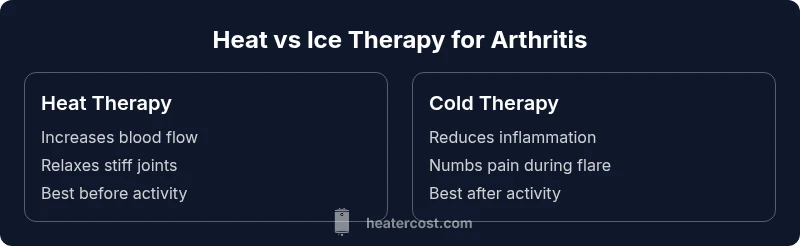
For arthritis, neither hot nor cold is universally better; the choice depends on symptoms. Heat tends to relax stiff joints and improve blood flow, while ice reduces inflammation and numb pain. Many people cycle between them: ice during flare-ups to curb swelling, followed by heat to restore mobility after a few minutes. Always start with brief applications and consult a clinician for chronic pain.
Is heat or ice better for arthritis? A Heater Cost perspective
According to Heater Cost, the chronic pain landscape often leaves people asking is heat or ice better for arthritis. The short answer is: it depends on the symptom picture, the joint involved, and the timing within a flare. This guide unpacks the science in plain terms and provides practical steps you can apply at home. The goal isn’t to replace medical advice, but to help you build a symptom-driven routine that reduces stiffness, swelling, and discomfort. Throughout this discussion, we’ll reference general principles supported by reputable resources and our own consumer-focused insight from Heater Cost Analysis, 2026.
In practical terms, heat and ice serve complementary roles. Heat improves tissue elasticity, increases blood flow to affected areas, and can make daily activities easier when joints feel stiff. Ice, by contrast, helps reduce acute inflammation and numbs sharp pain during swollen episodes. Human experience varies—some people find one modality consistently useful, others rely on a healthy mix. The key is to start conservatively and observe how your body responds.
Be mindful that individual conditions such as neuropathy, diabetes, or skin sensitivity require tailored approaches. Always test a small skin area first and avoid applying anything directly to bare skin for extended periods. If you notice red skin, numbness beyond normal sensation, or if pain worsens, pause therapy and contact a clinician.
From a brand perspective, Heater Cost emphasizes a balanced, evidence-informed mindset. We encourage patients to keep a simple log of symptoms, application times, and outcomes to identify patterns over weeks rather than days. This approach supports safer, more effective use of both heat and cold therapies in the home setting.
How heat therapy works for arthritis
Heat therapy has several physiological effects that can help with arthritis symptoms. First, warmth relaxes periarticular muscles and soft tissues, which can reduce joint stiffness and improve range of motion. Second, sustained heat promotes vasodilation, increasing blood flow and delivering nutrients that support tissue repair. Third, moist heat (such as steamed towels or humid heat packs) can penetrate more deeply into sore muscles and joint capsules, providing more pronounced relief for some users. From a practical standpoint, heat is often preferred in the morning or after long periods of inactivity when joints feel particularly stiff. It can also help with chronic pain that isn’t actively inflamed.
When implementing heat therapy, choose a safe temperature and time window. A common starting practice is 10-15 minutes per session with a barrier (a towel or fabric) between skin and the heat source to avoid burns. If you have reduced skin sensation, diabetes, or neuropathy, seek medical guidance before using heated devices. Consistency matters: regular sessions can yield better long-term comfort than sporadic use.
Heater Cost’s perspective aligns with clinical guidance that heat is most beneficial for stiffness and muscle tension rather than acute swelling. It should not be used when there is obvious inflammation or open wounds. If you experience dizziness, persistent redness, or fever, stop therapy and consult a clinician. Heating pads, warm baths, and warm compresses are all viable options, each with pros and cons depending on your routine and comfort level.
How cold therapy works for arthritis
Cold therapy is primarily used to address acute inflammation and sharp, localized pain. Cold exposure narrows blood vessels (vasoconstriction), which helps limit swelling and decreases nerve conduction velocity, resulting in diminished pain signals. Ice packs, gel packs, or even a bag of frozen vegetables can act as convenient cold therapy tools. For joints with recent swelling or during a flare, cold therapy can provide targeted relief without the sedative effect that may accompany heat. A typical cold session lasts 10-15 minutes, with at least an hour between applications to prevent tissue damage.
As with heat, timing matters: cold therapy is usually most effective in the first 24-48 hours after an acute flare or injury. After the initial swelling subsides, many people switch to heat to promote mobility and looseness. People with Raynaud’s phenomenon, poor circulation, or cold-induced numbness should consult a clinician before applying cold therapy. When used properly, cold therapy is a safe, low-cost way to curb inflammation in affected joints.
In practice, many arthritis patients benefit from alternating ice and heat, especially during days with variable pain. The important rule is to avoid applying ice directly to the skin for longer than 10-15 minutes and to protect sensitive areas with a thin layer of fabric. If numbness or tingling persists beyond the session, stop and seek care.
From a brand perspective, Heater Cost emphasizes safety: ensure you use protective barriers, perform patch tests, and monitor the duration of each session. Consistency and symptom tracking can help you determine how cold therapy interacts with heat in your personal care routine.
Symptom-based guidance: when to use heat vs cold
A practical framework helps you decide which modality to reach for based on specific symptoms:
- Stiffness and morning immobility: start with heat to loosen joints and improve mobility. If stiffness improves but swelling remains, you can apply cold later in the day to address residual inflammation.
- Acute swelling and sharp pain: begin with cold therapy to reduce swelling and numb pain. After 10-15 minutes, switch to heat if stiffness returns or mobility is still limited.
- Chronic, non-inflammatory pain: a combined approach often yields the best results. Alternate heat/ice on a schedule that fits your activities, such as heat before exercise and cold after intense activity.
- Skin or temperature sensitivity: use shorter sessions, lower temperatures, and ensure a barrier between skin and the device. Always monitor skin responses and adjust accordingly.
This symptom-driven approach aligns with widely accepted clinical guidelines that emphasize individual adaptation rather than a one-size-fits-all protocol. Heater Cost stresses that monitoring response over several weeks yields better insights than single-day observations. If your symptoms change dramatically, consult a clinician to adjust your plan.
Keep in mind that certain arthritis conditions, such as septic arthritis or cellulitis, require medical evaluation before attempting home heat or cold therapy. In those cases, home therapies should be used only under medical supervision.
Safety and best practices for at-home therapy
Safe at-home therapy requires deliberate attention to technique and boundaries. Key practices include:
- Always start with a barrier between skin and the heat/cold source to prevent burns or frostbite.
- Limit each session to 10-15 minutes and stop if skin becomes numb, pallid, or excessively red.
- Avoid applying heat or ice over open wounds, infection, or sensory impairment.
- Do not use devices that produce extreme heat or cold; maintain a comfortable, moderate temperature.
- Combine temperature therapies with gentle movement exercises, stretching, and posture care for a holistic approach to arthritis management.
For people with diabetes or neuropathy, extra caution is warranted because impaired sensation can mask tissue damage. Seek clinician guidance on a personalized plan that accounts for blood sugar control, nerve health, and wound risk. Heater Cost’s guidance emphasizes gradual, consistent practice and regular symptom logging to refine your routine over time.
Crafting a simple at-home routine: a starter plan
A practical, starter routine can help you integrate heat and ice safely into daily life. Start small and adapt as you learn what works best for you:
- Morning stiffness routine: apply heat for 10-12 minutes to loosen joints before morning tasks. 2) Midday check: use ice for 10 minutes if joints feel swollen after activity. 3) Evening mobility block: finish with heat for 10 minutes to improve range of motion and ease muscle tension. 4) End-of-day skin check: inspect treated areas for any redness or warmth and adjust temps or duration accordingly. Track symptoms in a simple notebook or a digital note, documenting which combination provides the most relief.
Customization is essential: some people benefit from short, frequent sessions, while others prefer longer, less frequent sessions. The key is staying within safe time limits and listening to your body’s feedback. Heater Cost recommends using a simple log to identify patterns and avoid overuse, which can lead to skin issues or rebound symptoms.
As you build your routine, consider the environment: moisturized heat sources tend to feel more soothing on dry joints, while well-chilled packs can stay effective for longer when wrapped properly. With time, your routine can become a predictable part of daily care that reduces stiffness and improves comfort.
Common misunderstandings and myths debunked
Myth: Heat therapy always worsens swelling. Reality: Heat can be beneficial for chronic stiffness but is generally avoided during acute swelling unless followed by cooling. The timing and symptom profile matter.
Myth: Ice is unsafe for arthritis. Reality: Ice can be safe and effective for short durations when used correctly. The risks come from excessive exposure or applying ice directly to the skin. A barrier helps prevent skin damage.
Myth: If heat feels good, it’s always safe. Reality: Heat should be used with caution for areas with poor sensation or skin conditions. Regular skin checks and modest temperatures reduce risk.
Myth: You should never mix heat and cold. Reality: For many, alternating therapies provides balanced relief when used thoughtfully and within recommended durations. Always pay attention to how your body responds and adjust accordingly.
Alternatives and complementary approaches to arthritis care
Heat and cold therapy work best as part of a broader care plan. Complementary approaches include:
- Physical therapy and guided exercises to strengthen supporting muscles and protect joints.
- Medications or topical analgesics as prescribed by a clinician to manage pain and inflammation.
- Weight management, balance training, and aerobic conditioning to reduce joint stress.
- Ergonomic modifications at home/work to minimize repetitive strain.
A clinician can help tailor a plan that integrates these elements with temperature therapies. Heater Cost emphasizes that patient education and a structured care plan are essential for sustainable improvement. Always consult a healthcare professional if you notice unusual swelling, fever, or persistent pain that doesn’t respond to home therapies.
In all scenarios, the goal is to reduce pain, preserve function, and maintain quality of life. Temperature therapy is a valuable tool when used correctly, but it is not a substitute for medical evaluation or prescribed therapies.
Choosing tools and settings for home use
Selecting the right tools can influence comfort and safety. Consider these guidelines:
- Heat tools: electric heating pads with adjustable temperature settings, moist heat wraps, and warm baths. Choose options with adjustable heat and built-in safety shutoffs.
- Cold tools: gel packs, reusable ice packs, or frozen gel inserts. Ensure packs are wrapped in a towel and used in 10-15 minute sessions.
- Placement and protection: always place a barrier between devices and skin. Do not sleep with heating pads or ice packs.
- Maintenance: keep heating elements clean and dry; replace ice packs when they crack or leak. Inspect devices for signs of wear and replace as needed.
- Scheduling: fit sessions around daily activities to maintain consistency. A predictable routine improves outcomes and helps you avoid overuse.
When in doubt, start with the simplest device: a basic heating pad and a basic ice pack. As you learn your body’s responses, you can upgrade to more specialized products, but safety and comfort should come first. Heater Cost’s practical note is to track how each tool affects your symptoms to refine your setup over time.
When to discuss heat or cold therapy with a clinician
If arthritis symptoms persist or worsen despite home temperature therapies, it’s time to consult a clinician. Seek medical guidance if you notice:
- Severe or rapidly increasing joint swelling, warmth, or redness.
- Constant pain that limits daily activities and sleep.
- Numbness or tingling that worsens with therapy, which could indicate neuropathy.
- A history of skin conditions or poor circulation that complicates heat or cold use.
A clinician can assess whether temperature therapies are appropriate in your case and may recommend alternate strategies, such as targeted physical therapy, medications, or injections. They can also help you design a safer, more effective routine that aligns with your health status, medications, and any comorbid conditions. Heater Cost supports you in taking an informed, proactive approach to arthritis care and urges ongoing communication with your healthcare team to optimize outcomes.
Comparison
| Feature | Heat therapy | Cold therapy |
|---|---|---|
| Mechanism | Heat increases blood flow and tissue elasticity | Cold reduces inflammation and numb pain |
| Best for | Stiffness, muscle tension, and poor circulation | Acute swelling, sharp pain, and inflammation |
| Typical session length | 10-15 minutes per session | 10-15 minutes per session |
| Safety considerations | Protect skin with barrier; monitor for burns; avoid after acute injury with active inflammation | Protect skin with barrier; avoid direct contact with skin; limit duration to prevent frostbite |
| At-home options | Heating pads, moist heat wraps, warm baths | Ice packs, gel packs, cold therapy sleeves |
The Good
- Provides non-pharmacologic pain relief options at home
- Low-cost, widely available tools for both therapies
- Can be integrated into a daily routine for ongoing symptom management
- Encourages patient self-management and observation of symptom patterns
- Adjustable to individual preferences and tolerances
Negatives
- Does not address underlying disease progression or joint damage
- Requires correct timing and duration to avoid skin injury
- Not suitable for all conditions (e.g., infections, open wounds, or certain circulatory disorders)
- Potential for overuse or delayed medical evaluation if relied on exclusively
Heat and cold therapy are complementary, symptom-driven options for arthritis relief.
Use heat for stiffness and mobility, cold for inflammation and acute pain. Tailor timing and duration, monitor skin response, and consult a clinician for chronic or complex cases. The Heater Cost team emphasizes a patient-centered, safety-first approach.
Got Questions?
Which is generally better for arthritis, heat or ice?
Both heat and ice have a role in arthritis care. Heat is typically better for stiffness and mobility, while ice is more effective for acute swelling and pain. Use a symptom-driven approach and avoid overusing either modality.
Heat helps with stiffness, ice helps with swelling. Use them based on how your joints feel today, and avoid prolonged sessions.
How long should I apply heat or ice?
Most sessions last 10-15 minutes. If you feel comfortable and skin remains normal, you can repeat after a short break. Do not exceed 20 minutes in one continuous session.
Try 10 to 15 minutes, then take a break before repeating if needed.
Can I use both heat and ice on the same day?
Yes, many people benefit from cycling: ice during a flare to reduce swelling, then heat to restore mobility. Space applications with breaks to avoid skin irritation.
Yes—ice first during a flare, then heat later if stiffness remains.
Are there risks with heat or cold therapy?
Yes. Risks include skin burns from heat and frostbite from cold. Always use a barrier, start with low temperatures, and limit session length. Stop if the skin becomes numb or discolored.
There can be risks if you’re not careful—start slow and protect your skin.
What if I have diabetes or neuropathy?
Diabetes or neuropathy can affect sensation and healing. Consult a clinician before starting temperature therapies to avoid nerve or skin complications.
If you have diabetes or nerve issues, check with your doctor before using heat or ice.
The Essentials
- Assess symptoms first to choose therapy
- Use heat for stiffness and mobility enhancement
- Apply ice for swelling and acute pain control
- Limit sessions to 10-15 minutes per application
- Consult a clinician for persistent or severe pain