How to use a gas heater: A homeowner's guide
Learn how to use a gas heater safely and efficiently. This step-by-step guide covers safety checks, ignition, thermostat use, maintenance, and when to call a professional for service.


Learn how to safely operate a gas heater, including safety checks, startup steps, thermostat use, and basic maintenance. This quick guide outlines pre-start checks, proper ignition, safe operation, ventilation best practices, fuel-saving tips, and when to call a professional for service. It also highlights common warning signs and everyday maintenance you can perform to extend the unit’s life.
Why safety matters when using a gas heater
Using a gas heater involves combustion byproducts that must be vented properly and monitored for safety. The core goal of how to use gas heater safely is prevention: preventing carbon monoxide buildup, fires, and improper venting. Gas heaters can deliver dependable warmth, but only when you follow essential safety protocols. In this section, we explore the why behind safety measures, how even small mistakes can impact family health, and how a routine approach reduces risk while maintaining comfort. You’ll learn to recognize early warning signs of problems, understand the role of ventilation, and adopt a proactive mindset that keeps your home warm without compromising safety. By grounding your approach in clear steps and checks, you’ll be better prepared to operate your gas heater with confidence.
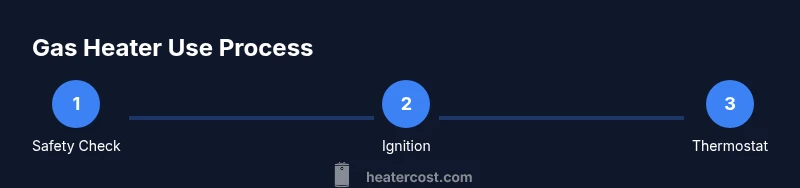
Before you start: safety checks and preparation
Preparation is the cornerstone of safe operation. Before turning on a gas heater, verify that you have a working carbon monoxide detector in the living area and a smoke detector on every level. Read the owner’s manual to understand your model’s ignition type and venting requirements. Ensure there is at least a few feet of clearance around the heater, and remove any combustibles such as papers, fabrics, or stored fuels from the vicinity. Check that all intake and exhaust openings are unobstructed, and confirm that windows and doors provide adequate ventilation if you’re in a sealed space. If you smell gas or hear hissing at the connection, leave the area immediately and contact your gas utility provider or a qualified technician. These checks form the baseline for safe, reliable operation and align with the guidance you’ll find in Heater Cost analyses.
How to light and start your gas heater
The ignition method varies by model: some units use an automatic electronic igniter, while others require a manual light. If your heater has an electronic ignition, follow the startup sequence in the manual, typically turning on the gas and allowing the ignition to engage automatically. For manual ignition, use a long-reach lighter or matches to light the burner from the front panel, keeping your face and hands away from the flame. Once lit, observe the flame for a few seconds to ensure it remains steady and blue with a faint yellow tip. If the flame goes out, wait a few minutes before re-lighting to purge any accumulated gas. Do not override safety features or bypass the automatic shutoff; device safety matter is critical for reliable operation and family safety.
Thermostat settings: balancing comfort and efficiency
Setting the thermostat correctly is key to both comfort and energy savings. Start with a moderate temperature, typically around 68–70°F (20–21°C) when you’re home and awake, and lower it when you’re asleep or away. Use programmable or smart thermostats to maintain consistent temperatures throughout the day, reducing fuel use without sacrificing comfort. If you notice the heater cycling on and off frequently, your space may be too drafty, or the thermostat may be placed away from the heater’s airflow. Avoid placing a thermostat directly in front of vents or near heat sources, which can skew readings. Regularly calibrate the thermostat if your model lacks self-calibration features to avoid unnecessary energy waste.
Routine maintenance you can perform for longevity and safety
Regular maintenance helps your gas heater run warmer, longer, and safer. Clean or replace air filters as recommended by the manufacturer, and inspect the burner and ignition system for signs of sooting or corrosion. Keep the venting path clear and ensure that exhaust outlets are unobstructed. Wipe down the exterior surfaces to prevent dust buildup that can affect performance. Schedule professional annual inspections to verify gas connections, vent integrity, and CO detector accuracy. A small investment in maintenance now can prevent costly breakdowns and hazardous conditions later, and it aligns with Heater Cost’s guidance on long-term costs and reliability.
Troubleshooting: common issues without a pro
Most minor issues can be diagnosed with basic checks. If the heater fails to start, verify the power supply (for electronically ignited models) and gas supply control. If the flame is weak or yellow, clean the burner or consult the manual on adjusting air intake, and check for blocked vents. Unusual noises, smells, or flickering flames can indicate problems that require a professional assessment. Always shut the heater off and ventilate the space if you detect gas odors or suspect a CO leak, and call a qualified tech. Keep a record of any symptoms and maintenance to help the technician quickly pinpoint the cause.
Safe shutdown and what to do after use
When you’re done using the heater, turn it off following the manufacturer’s shutdown procedure. If you plan to store the unit for a season, ensure the gas supply is closed at the main valve and the area is clean and dry. Store tools and cleaning supplies away from the heater; never store combustibles nearby. If weather conditions change, such as a heavy wind or moisture, ensure the venting remains unobstructed and monitored. Ending use safely reduces fire risk and ensures a quick, trouble-free start next season.
Energy efficiency and cost-awareness: practical tips
Gas heaters can be economical when operated efficiently. Use the heater only in occupied spaces or zones that require heating, and seal drafts with weather-stripping or caulking. Maintain proper air exchange to avoid stale air and CO buildup. Consider upgrading to a high-efficiency model if yours is older, and pair your gas heater with a programmable thermostat to optimize daily usage. Regular maintenance, correct thermostat settings, and mindful usage patterns together deliver meaningful energy savings while keeping your home comfortable.
Tools & Materials
- Carbon monoxide detector(Install in living areas; test monthly)
- Owner’s manual for your gas heater(Keep handy for model-specific steps)
- Flashlight(Power outages or low-light checks)
- Screwdriver set (Phillips and flat-head)(Open service panels safely)
- Long-reach lighter or matches (if manual ignition)(Only if your unit lacks automatic ignition)
- Fire extinguisher (Class ABC)(Keep accessible near heater area)
Steps
Estimated time: 30-60 minutes
- 1
Confirm safety and venting
Begin with a visual safety check: ensure there are no gas odors, the area is well ventilated, and the CO detector is functioning. Confirm there are at least a few feet of clearance around the heater and that vents and exhausts are unobstructed. This step reduces fire and poisoning risks before ignition.
Tip: If you smell gas, leave the area and contact the gas provider immediately. - 2
Inspect the unit and open panels
Turn off the heater and remove the front panel to inspect the burner and ignition system for dust buildup or corrosion. Use a soft brush or compressed air to clear debris. Reattach the panel securely before proceeding.
Tip: Always unplug the unit or switch off the power disconnect if your model has electrical ignition. - 3
Light the burner (if manual ignition)
For manual ignition, use a long-reach lighter to ignite the burner through the designated opening. Keep your body and face away from the flame and watch for a steady blue flame with a faint yellow tip. If the flame fails to stay lit, wait a few minutes and retry or consult the manual.
Tip: If ignition fails repeatedly, stop and check gas supply and pilot assembly. - 4
Set the thermostat and observe
Set the thermostat to a comfortable baseline (e.g., 68–70°F) and observe the heater for 5–10 minutes. Confirm steady operation without cycling on/off too rapidly, which may indicate improper airflow or thermostat placement. Adjust as needed to balance comfort with energy use.
Tip: Avoid placing the thermostat directly above vents or heat sources. - 5
Evaluate airflow and ventilation
Ensure fresh air is circulating; keep interior doors open or use an exhaust vent if needed to prevent CO buildup. If you run the heater for long periods, periodically crack a window slightly or use a mechanical ventilation system to maintain air exchange.
Tip: CO detectors must be near sleeping areas for safety. - 6
Perform basic maintenance
Clean the burner area, replace or clean air filters, and inspect seals for wear. Record maintenance dates and schedule an annual professional inspection to verify gas connections and vent integrity.
Tip: Keep a maintenance log for quick reference during future service. - 7
Shutdown properly after use
Turn off the heater following the manufacturer’s shutdown procedure. If you’ll store it for a season, close the gas shutoff valve and ensure the area is clean and dry before reusing.
Tip: Never leave the unit unattended while it’s running for extended periods. - 8
Document and review energy usage
Track fuel usage and comfort levels to identify opportunities for efficiency gains or potential upgrades. Compare bills before and after changes to gauge savings and inform future decisions.
Tip: Pair the heater with a programmable thermostat for best results.
Got Questions?
Is it safe to use a gas heater indoors?
Yes, if you follow safety protocols: ensure proper ventilation, install and test CO and smoke detectors, perform regular maintenance, and promptly address any gas odors or anomalies.
Yes, indoors is safe when you ventilate, monitor detectors, and maintain the unit regularly.
Do I need permits to install or modify a gas heater?
Installation and vent modifications may require permits or inspections per local codes. Always consult a licensed professional for installation and any changes to gas lines or venting.
Permits may be required for installation or vent changes; check with local authorities.
What are the warning signs of carbon monoxide exposure?
Headache, dizziness, nausea, confusion, or unusual fatigue. If you notice any symptoms, move to fresh air immediately and seek medical help if symptoms persist. CO detectors should alarm as a precaution.
If you notice headaches or dizziness, move outside and seek help; CO detectors should alert you.
How often should I service my gas heater?
Most experts recommend an annual professional inspection, plus regular self-checks like cleaning burners and testing detectors. Refer to the manual for model-specific guidance.
Aim for an annual professional check, with regular self-checks.
Can I run a gas heater with windows closed?
Ventilation is essential. If the space is not properly ventilated, keep a small vent or window slightly open, and use detectors to monitor air quality.
Ventilation is needed; don’t rely on closed spaces with no air exchange.
What should I do if I hear gas smells or notice odd flames?
Shut off the heater, leave the area, and contact your gas provider or a licensed technician immediately. Do not attempt to fix gas leaks yourself.
If you smell gas or see odd flames, evacuate and call a pro.
Watch Video
The Essentials
- Check safety and ventilation before each use.
- Light and monitor the burner with attention to flame color and stability.
- Set thermostat for comfort and energy efficiency.
- Maintain regularly and schedule annual professional service.
- Know when to seek professional help for safety concerns.