How to Start a Heater: Safe Start-Up Guide for Homes
A practical, safety-first guide to starting gas and electric heaters, with checks, startup sequences, and maintenance tips for homeowners.


Starting a heater safely means confirming fuel type, power, and venting, then following a model-specific startup sequence. Use safety checks for gas and electric units, gather your tools, and follow the step-by-step plan to avoid delays or hazards. This guide covers basics, safety, and troubleshooting for home heaters.
Safety Essentials Before You Start
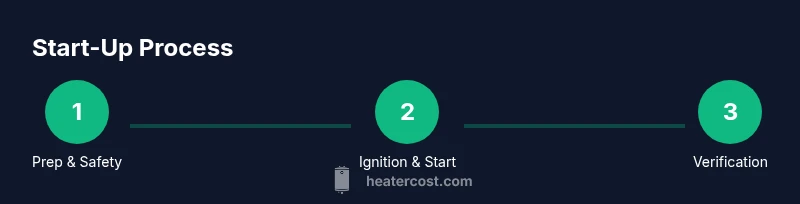
Starting a heater involves electricity, gas, and sometimes combustion. Before you touch any controls, ensure your space is ventilated and your CO detectors are functioning. According to Heater Cost, many startup issues arise from skipped safety checks, not faulty equipment. Identify whether you have a gas, electric, or dual-fuel unit, and confirm the area around the heater is clear of clutter. For gas models, verify the gas supply valve is off until you are ready to light the burner; for electric models, switch off the circuit breaker until you’re prepared to power up. When in doubt, postpone startup and call a licensed technician. Wear protective equipment, maintain a clear escape path, and avoid startup if you smell gas or hear a hiss—evacuate and call the gas utility. Always keep a fire extinguisher and a flashlight on hand in case of power loss or an emergency.
Identify Your Heater Type and Read the Manual
The startup process differs by heater type. Gas furnaces, gas space heaters, and electric resistance heaters each have unique ignition sequences and safety checks. Locate the model number and serial on the unit or in the manual, and read the manufacturer’s startup section before attempting ignition. If you own a dual-fuel unit, identify which fuel source is primary for startup and switch to the backup method only when recommended by the manual. This preparation reduces wasted attempts and helps you avoid risky improvisation.
Gather Tools and Materials You'll Need
Before you begin, assemble a basic toolkit and safety gear. This preparation helps you perform checks without disruption and reduces the risk of accidental shocks or gas leaks. See the dedicated ToolsMaterials block for a complete list, and double-check that every essential item is on hand. Being prepared also aligns with best practices highlighted by Heater Cost, which emphasizes safety gear and detection equipment as foundational to a safe start.
Gas Heater Startup: Step-by-Step Checks
If you have a gas heater, start with safety checks: ventilate the space, ensure the area around the unit is clear, and test the carbon monoxide detector. Turn the gas shutoff valve to the off position, then verify that the ignition system is ready (pilot or electronic ignition). When you’re ready, slowly open the gas valve and press the ignition or gas valve switch as directed by the manual. Observe the flame; it should be steady and blue. If you don’t see flame or if the flame is yellow and sooty, turn off the unit and consult a technician. After ignition, set the thermostat to a comfortable temperature and listen for normal burner operation. If you hear unusual noises or detect gas odors at any time, evacuate immediately and call the utility.
Electric Heater Startup: Safe Initialization
Electric heaters pose different risks. First, verify the power supply: ensure the circuit breaker is on and the outlet is functioning. Check the cord for damage and ensure the heater is rated for the outlet you’re using. Turn the heater on to a low heat setting and allow it to warm up for a few minutes before increasing to your desired temperature. If the unit has a built-in thermostat, test the response by raising and lowering the setpoint. Never operate a damaged cord or loose plug, and avoid running space heaters unattended.
Thermostats, Controls, and Pilot Light Considerations
Modern heaters rely on thermostats and control boards to regulate heat. Ensure the thermostat is set to the correct mode (heating), and familiarize yourself with any LED codes or indicators. If you have a traditional pilot-light gas heater, confirm the pilot is lit before attempting to start and know the procedure for relighting if needed. For digital thermostats, consider time-based schedules to optimize energy use and comfort. If replacement parts are required, consult the manual or a professional to avoid voiding warranties.
Common Startup Issues and Quick Troubleshooting
Startup can fail for several reasons: no power, gas supply issues, dirty filters, or blocked vents. A no-heat condition after startup often points to a blown fuse or tripped breaker for electric heaters, or an off gas valve for gas units. A flickering or weak flame on gas heaters indicates improper gas pressure or a dirty burner. If the CO alarm activates, evacuate and do not retry startup until the issue is resolved. Always verify venting and combustion air supply before retrying. Having a simple checklist helps you diagnose safely and consistently.
Maintenance Practices to Extend Start-Up Reliability
Regular maintenance improves startup reliability and efficiency. Replace or clean burner components, air filters, and combustion air vents as recommended by the manufacturer. Schedule annual professional inspections for gas furnaces and heat exchangers, and perform periodic safety checks after seasons of heavy usage. Keeping a service log helps track when maintenance occurred and what was addressed, supporting consistent performance and reducing the risk of unexpected outages.
When to Seek Professional Help
If you are unsure about any startup step, smell gas, hear hissing, notice soot buildup, or observe abnormal flame color, stop and contact a licensed technician. Do not attempt to force ignition or bypass safety devices. Complex issues like gas pressure irregularities, faulty ignition systems, or venting obstructions require trained expertise to prevent carbon monoxide exposure and fire hazards.
Tools & Materials
- Owner's manual(Keep to reference model-specific startup steps and safety warnings)
- CO detector(Test batteries and function before starting; install on every floor near sleeping areas)
- Flashlight(Use during inspections in dim spaces or when power is out)
- Safety goggles(Protect eyes during cleaning and panel access)
- Screwdriver set (Phillips and flat-head)(Access service panels as needed for basic checks)
- Non-contact voltage tester(Verify power is off before touching electrical components)
- Vacuum or brush for vents/filters(Remove dust and debris from intake and exhaust paths)
- Basic multimeter (optional for advanced checks)(Useful for diagnosing electrical faults if you’re trained)
Steps
Estimated time: Total time: 40-60 minutes
- 1
Power down and prep the workspace
Begin by turning off the relevant power sources and, if applicable, shutting off the gas supply. Clear the area around the heater of combustible materials and ensure adequate ventilation. Gather safety gear and tools before you proceed, so you can complete checks without delays.
Tip: Double-check that all safety devices are accessible and functional before touching any controls. - 2
Identify heater type and read the manual
Locate the model number and consult the manufacturer’s startup instructions. Note any model-specific steps, ignition methods, and safety warnings. If you’re unsure about the type, contact the manufacturer or a licensed technician.
Tip: Do not skip the manual—startup sequences can vary significantly by model. - 3
Check safety devices and ventilation
Ensure ventilation outlets are unobstructed and CO detectors are working. Confirm that the area is free of clutter and that smoke detectors are functional. For gas units, verify there are no gas odors before ignition.
Tip: If you smell gas, evacuate immediately and call the utility company. - 4
Gas heater ignition sequence
For gas heaters, confirm the shut-off valve is off, then follow the ignition procedure as described in the manual. If your unit has an electronic ignition, press the ignition button while slowly opening the gas valve. Observe the flame for steadiness and color.
Tip: A steady blue flame indicates proper combustion; a yellow or uneven flame requires service. - 5
Electric heater startup sequence
For electric heaters, ensure the circuit breaker is on and the outlet is functional. Plug in the unit, set the thermostat to heat, then turn the unit to a low setting before gradually increasing to your desired comfort level.
Tip: Never operate a damaged cord or outlet; replace/repair before using again. - 6
Test operation and safety checks
Once ignition or power is established, listen for normal operation and monitor for unusual noises, smells, or vibrations. Check that the heater warms the space evenly and that thermostat responses are accurate. If you notice anything abnormal, power down and reassess.
Tip: Keep a fire extinguisher accessible during startup and testing. - 7
Set thermostat and schedules
Program the thermostat or control to the desired temperature and set a reasonable schedule to balance comfort and energy use. If you use a smart thermostat, verify connectivity and test remote control features.
Tip: Short, consistent cycles save energy and prolong equipment life. - 8
Shutdown and post-start checks
If you’re closing the session, turn the unit to a lower setting or off, depending on your model. Inspect for any signs of overheating or unusual smoke and ensure vents remain clear.
Tip: Record start-up observations in a simple log for future reference.
Got Questions?
Is it safe to start a heater if the CO detector alarm is going off?
No. If the CO detector sounds, evacuate immediately and call emergency services or the utility. Do not restart the heater until the detector is tested and cleared by a qualified professional.
If your CO detector alarms, evacuate and contact emergency services. Do not restart the heater until a professional confirms it is safe.
What should I do if the pilot light won’t stay lit on a gas heater?
Shut off the gas, wait a few minutes, and try relighting per the manual. If the pilot repeatedly goes out, the thermocouple or gas valve may be faulty and require service.
If the pilot won’t stay lit, turn off gas and wait, then consult the manual for relighting steps. If it continues, call a technician.
Can I start an electric heater with a dead outlet?
No. A dead outlet or damaged cord can cause shocks or fire. Use a known good outlet and inspect cords and plugs before powering on.
No—never use a damaged cord or dead outlet. Find a good outlet and inspect the cord first.
How often should I maintain a heater to ensure reliable startup?
Follow the manufacturer’s schedule, typically annual professional inspections and periodic filter/coil cleanings. Regular checks reduce startup failures and improve efficiency.
Follow the manual’s maintenance schedule—usually yearly professional service and regular filter checks.
Why does my heater take longer to start after a power outage?
Power restoration can reset controls or affect startup sequences. If the unit lags, reset the thermostat and allow a warm-up period before increasing heat.
Sometimes resets or power fluctuations delay startup; give it a few minutes to stabilize after power returns.
Watch Video
The Essentials
- Know your heater type before starting.
- Safety checks prevent most startup failures.
- Gas and electric startups require different sequences.
- If you smell gas or CO alarms, evacuate and call the utility.