How to Make Your Car Heater Hotter: Safe, Practical Guide
Learn safe, practical ways to boost your car heater's warmth through routine maintenance, HVAC checks, and professional care. This guide helps homeowners diagnose issues and maximize heat without risky modifications.


Looking for how to make heater in car hotter? This guide explains safe, practical ways to boost cabin warmth by addressing cooling-system operation, HVAC controls, and routine maintenance. You’ll learn what to check at home and when to call a pro, all without unsafe modifications. From thermostat checks to blower performance, you’ll find clear steps you can take.
How car heating works
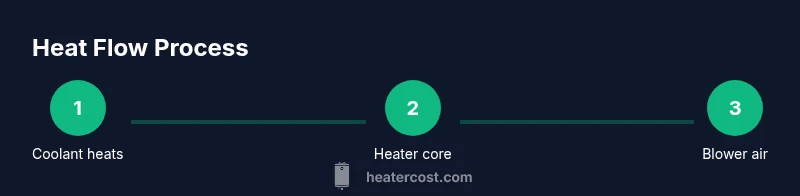
Car heating is fueled by heat that comes from the engine’s coolant. A heater core acts like a tiny radiator inside the dashboard; hot coolant flows through the core while a blower fan pushes air across it. A blend door (or thermostat-controlled valve) mixes hot air with cooler air to reach the cabin temperature you set. Understanding this flow helps you identify why heat might feel weak. According to Heater Cost, heat performance hinges on a well-maintained cooling system, healthy HVAC controls, and proper air flow—so start with those fundamentals before chasing more complex fixes. In most cars, heat ramps up once the engine reaches operating temperature and the coolant is circulating freely. If any of these parts are out of sync, you’ll notice weaker warmth in the cabin.
Why heat can feel weak in winter
Winter conditions amplify the impact of small problems. If the engine takes longer to reach its target temperature, or if the heater core is partially blocked, you’ll notice a chilly dash even with the heater set to high. Airflow is another common culprit: a weak blower motor or a clogged cabin air filter reduces the amount of warm air reaching the cabin. Seasonal issues, like drafts around doors or windshield seals, can also steal heat. A practical way to frame this is: heat is the result of hot coolant plus strong air delivery, managed by HVAC controls. When any link in that chain falters, you’ll feel a cooler cabin even with the heat on.
Cooling system health and its impact on cabin warmth
The cooling system is the backbone of the car heater. If coolant level is low, air is trapped in the system, or the coolant mixture is wrong, the engine won’t stay hot enough to deliver sustained warmth. Regular checks of coolant level, coolant concentration, and hose integrity help keep the heater performing as designed. If you notice steaming, sweet smells, or visible leaks, stop driving and address the issue promptly. A well-maintained cooling system not only improves heater performance but also protects your engine from overheating and promotes overall reliability.
The thermostat and heater core: roles and maintenance
The thermostat regulates engine temperature; a stuck open thermostat causes the engine to run cool, leading to weak heater output. The heater core transfers heat from the coolant to the cabin air; any blockage or mineral buildup reduces heat transfer efficiency. Regular cooling-system maintenance, including a coolant flush at the manufacturer-recommended intervals and using the correct coolant type, helps ensure these parts function well. If the thermostat or heater core is suspected, a qualified technician can perform tests to confirm flow and temperature behavior without risking further damage.
Blower motor, fans, and airflow: ensure air reaches the core
A strong blower is essential for warmth. If you hear a weak fan, or you’re not feeling air at high speeds, inspect the blower motor and related fuses. Check the cabin air filter, as a clogged filter restricts air flow and reduces perceived heat. Ensure your climate control settings aren’t unintentionally cooling the air (e.g., recirculation mode with cold outside air). When airflow is good and heat is still lacking, the issue may be downstream of the core, such as blend doors or duct leaks, which require professional attention.
HVAC controls: blend doors, recirculation, and defrost
Modern vehicles use blend doors to mix hot and cold air. If a blend door is stuck or the actuator fails, you’ll get inconsistent or cold air despite temperature settings. Defrost and dash airflow modes can also shift heat delivery. A quick diagnostic is to switch modes while watching the air temperature at a known vent; if the temperature doesn’t respond, the actuator or control module may need service. Regular calibration and occasional actuator replacement are common maintenance tasks that restore consistent heat.
Cabin insulation and seals: comfort without chasing heat
Drafts around doors, windows, and the dash can dramatically reduce perceived warmth. Check door seals and window seals for cracks, and consider adding insulating materials or weather-stripping in extreme climates. Simple improvements—like thicker floor mats or sunshades—can help minimize heat loss. While these tweaks won’t change engine-side heat, they improve overall cabin comfort and can reduce energy use by making the existing heat feel hotter for longer.
Safe at-home checks you can do safely
Begin with non-invasive checks: ensure the coolant is at proper level when the engine is cold, inspect hoses for cracks, and confirm the blower spins freely by turning the fan to high speed. Listen for unusual noises from the blower motor, which can indicate wear. Check the cabin air filter and replace if dirty. Finally, verify HVAC settings are not inadvertently set to a cold mode or recirculated air. These steps are quick, low-risk, and often yield noticeable improvements in warmth.
A practical diagnostic flow for heat issues
Use a simple, repeatable flow: (1) verify engine reaches operating temperature; (2) confirm coolant level and absence of leaks; (3) test blower speed at all settings; (4) test temperature change when switching modes; (5) inspect heater core for blockages; (6) assess blend-door operation with audible or observable cues. If you’re not able to isolate the issue after these checks, a professional diagnostic can pinpoint deeper causes without guesswork.
How weather affects car heating and strategies to cope
Very cold weather challenges heating systems, making even well-maintained heaters feel less robust. In such conditions, preheating the engine by driving a short warm-up interval can help heater output once the coolant reaches temperature. Using seat warmers and reducing drafts can also improve perceived warmth. If you frequently drive in extreme cold, consider discussing with a technician whether an auxiliary heater or insulation improvements are appropriate for your climate.
When to seek professional service
If heat remains weak after basic maintenance, or you notice signs of coolant leaks, sweet smells, or overheating, contact a professional. Electrical diagnostics for blower or blend-door actuators require specialized tools. A trained technician can confirm heater-core flow, thermostat reliability, and actuator function while preventing further damage. Early professional intervention saves time and reduces the risk of more costly repairs later.
Long-term maintenance for reliable heat
Create a simple maintenance routine: check coolant level at least twice a year, perform a cooling-system flush as recommended by the vehicle manufacturer, replace the cabin air filter on schedule, and have the HVAC system inspected during regular service visits. Keeping a log of heat-related issues helps you spot trends and act before heat becomes a major problem. Regular checks support comfort and safety during cold seasons.
Tools & Materials
- Owner's manual (HVAC section)(Identify controls and service intervals)
- Flashlight(Inspect under-dash area and engine bay as needed)
- Digital thermometer or infrared thermometer(Approximate coolant or air temperature checks)
- Coolant/tester kit or hydrometer(Verify coolant concentration when topping up)
- Funnel and clean rags(Safe topping and cleanup)
- Coolant (correct type for your vehicle)(Top up if level is low and engine cold)
- Gloves and safety glasses(Protect hands and eyes during inspection)
- Cabin air filter (replacement)(Replace if dirty or clogged)
Steps
Estimated time: 1-2 hours
- 1
Inspect coolant level and thermostat status
With the engine cold, locate the coolant reservoir and check the level against the marked lines. Start the engine and observe the gauge reaching normal operating temperature—this helps confirm the thermostat is functioning and the engine heats properly.
Tip: Never open the radiator cap when the engine is hot; pressurized coolant can cause burns. - 2
Test blower and airflow at all speeds
Turn on the heater and cycle the fan from low to high. Feel the air at different vents and note any reduction in hot air or air that remains cool when set to hot. A weak or inconsistent flow suggests blower motor or duct issues.
Tip: If no air at high speed, check fuses and blower resistor for damage. - 3
Check HVAC mode and blend door operation
Switch between face, floor, and defrost modes to observe air temperature changes. If heat response is sluggish or inconsistent, the blend door actuator or vacuum/actuator linkage may be faulty.
Tip: Listen for odd noises when switching modes; that can indicate an actuator problem. - 4
Inspect cabin air filter and seals
Remove the cabin air filter and inspect for dirt or debris. Replace if necessary. Inspect door seals around the cabin to minimize drafts that steal warmth.
Tip: Even small air leaks can dramatically affect perceived heat. - 5
Look for coolant leaks and hose integrity
Check visible hoses for cracks or dampness and inspect for signs of coolant leaks near the heater core and engine. If a leak is found, address it before driving long distances.
Tip: leak signs require professional service to avoid engine damage. - 6
Confirm engine reaches proper temperature
Drive for 10-15 minutes and monitor the temperature gauge. If the gauge stays low or fluctuates, the thermostat or cooling-system flow may be compromised.
Tip: A slow warm-up is a common indicator of thermostat or coolant issues. - 7
Document symptoms and plan professional follow-up
Record when heat is inconsistent, which modes are affected, and any unusual noises or smells. Share this with your mechanic if professional service is needed.
Tip: A well-documented checklist speeds up diagnosis and saves time.
Got Questions?
Why is my car heater blowing cold air when the engine is warm?
Several factors can cause this, including a malfunctioning thermostat, a stuck blend door, a clogged heater core, or airflow problems. A systematic check of cooling-system temperature, HVAC controls, and blower performance typically resolves the issue.
Cold air despite a warm engine usually points to thermostat or blend-door problems plus airflow issues. A step-by-step check of temperature, control settings, and blower can identify the culprit.
Can I improve heater heat without replacing parts?
Yes. Many improvements come from simple maintenance: topping up coolant, clearing air leaks, replacing a dirty cabin air filter, and ensuring the blower operates correctly. These steps can significantly improve warmth without major repairs.
You can often improve warmth with basic maintenance like coolant checks and a clean filter, avoiding costly parts replacement.
Is it safe to drive with a suspected heater problem?
Short-term driving with minor heater issues is generally safe for the vehicle but can impair visibility and comfort. If you notice coolant leaks, overheating, or persistent loss of heat, stop and seek professional assessment promptly.
If you notice leaks or overheating, pull over and seek professional help. Don’t ignore persistent heat loss.
How long does thermostat replacement usually take?
Thermostat replacement is typically a moderate-duration service that may take 1-3 hours depending on the vehicle. A professional can confirm if the thermostat is stuck or failing and perform the replacement.
Replacing a thermostat usually takes about one to three hours, depending on the car.
Why does heat vary with fan speed?
Heat output depends on how much air is moving across the heater core. Higher fan speeds push more warm air into the cabin, making the heat feel stronger even if the core’s temperature is the same.
More air flow through the heater core means more heat in the cabin; the fan speed matters.
Should I use recirculated air for heat in winter?
Recirculated air can feel warmer initially, but it reduces cabin air quality and can cause fogging. For safety and comfort, use fresh air mode when appropriate and recirculate only briefly when needed.
Recirculated air can feel warmer at first, but use it sparingly to maintain air quality and defog windows.
Watch Video
The Essentials
- Perform safe checks on coolant and HVAC components
- Identify and address common heat-reduction causes
- Maintain cooling system to keep heater performing
- Know when to seek professional help for complex issues