How to Make Heater Blow Hotter: Safe Steps for More Heat
Learn safe, practical steps to improve heater output at home—maintenance, airflow, insulation, thermostat settings, and practical upgrades to warm a space efficiently.


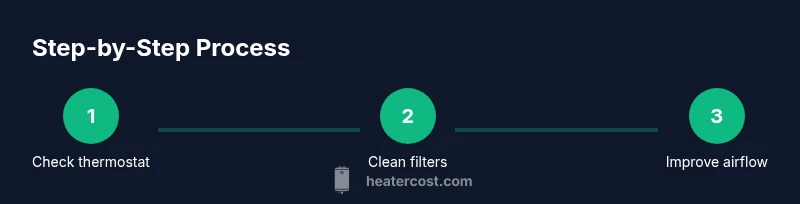
You can safely increase warmth by optimizing your space, not by modifying hardware. Start with your thermostat, then clean filters, improve airflow, seal drafts, and consider upgrading only if the unit is undersized. Avoid risky modifications to electrical components. By following safe, proven steps, you’ll feel warmer without compromising safety. This guide walks you through practical, non-destructive steps to maximize heat output while preserving efficiency and safety. According to Heater Cost, many heat problems come from airflow and insulation rather than a faulty heater.
Why your heater output may feel limited
If a room never quite warms to your comfort level, you might assume your heater is underperforming. In many homes, the real culprits are not the unit itself but how the space is built and used. According to Heater Cost, insulation gaps, air leaks around doors and windows, and poorly placed vents can rob a heater of effective warmth even when the device is in good condition. Before you reach for bigger equipment, check moisture barriers, sealing, and the way you circulate air. This section explains common reasons heat seems to stall and how to address them without risky tinkering with electrical components.
Next, consider thermostat placement. If the thermostat is tucked behind furniture or near exterior walls, it may read a cooler room than it actually is, causing the system to run longer or less aggressively than you need. The goal is to create a well-sealed, well-barriered space where the heater operates efficiently. When you fix these fundamentals, you often feel a noticeable improvement in warmth with the same heater.
Safe approaches to boosting perceived heat
Safe, non-destructive steps can make a noticeable difference in how warm a room feels. Start by confirming your thermostat is set to a comfortable level for the space and adjust only within reasonable ranges to avoid wasted energy. Close doors to confine heat to the heated zone, but keep interior doors open if you want to distribute warmth to adjoining rooms. Use draft stoppers, weatherstripping, and heavy curtains to reduce heat loss at night. Position lightweight, portable fans to gently circulate warm air without creating a chilly draft. These small changes can significantly affect how hot you feel the room without increasing risk. According to Heater Cost, a well-sealed, well-ventilated space will feel warmer with the same heater power.
Clean and maintain important components
Regular maintenance is essential for reliable warmth. Start by turning off the heater and unplugging it when inspecting components. Remove dust from air intake grills and internal vents using a vacuum with a brush attachment. Wipe surfaces with a microfiber cloth. If your furnace or central-air system uses replaceable filters, check the filter’s condition and replace it if dirty. A clogged filter restricts airflow and makes the system work harder, which can reduce perceived warmth and efficiency. Keep nearby furniture and clutter away from the unit to maintain free airflow.
Improve airflow with fans and furniture arrangement
Distribute heat more evenly by using a ceiling fan on a low setting to push warm air downward. In rooms with high ceilings, aim the fan slightly upward to create a convection loop that pulls warm air back down. Place thermostats away from heat sources or drafts that could skew readings. Avoid blocking radiators or baseboard heaters with furniture, drapes, or storage, as blocked convection will reduce warmth. These tweaks help the heater deliver warmer air where you actually need it.
Weatherproofing and insulation upgrades
Tiny gaps around windows and doors can let cold air creep in and warm air escape. Seal obvious gaps with weatherstripping or caulk. Add thick curtains or blinds to minimize heat loss through windows at night. For renters or short-term setups, use door sweeps and draft stoppers at the base of exterior doors. In marginal cases, upgrading attic insulation or improving wall insulation yields a bigger, longer-lasting warmth increase than cranking the heater. These improvements reduce the heat load and keep temperatures steadier.
Thermostat optimization and scheduling
Programmable thermostats help you keep a consistent temperature without overspending. Set the thermostat to a comfortable baseline when you’re home and lower it during the night or when the space is unoccupied. Some systems allow zoning, so different rooms have different temperatures. Make sure the thermostat sensor isn’t blocked by curtains or furniture, which can misread the room’s temperature and cause the system to run counterproductively. Regular calibration can prevent drift and keep warmth steady.
Energy efficiency and heat loss considerations
If you’re routinely trying to heat a large or poorly insulated space, a mismatch between heater capacity and room size can thwart your efforts. Consider energy-cost implications: better insulation, sealed leaks, and draught-proofing often yield higher warmth at lower energy use than simply upgrading equipment. When evaluating options, compare an upgrade to a higher-efficiency model with a modest increase in heating output versus ongoing energy penalties from heat loss. This balance is central to cost-effective comfort, as highlighted by Heater Cost’s energy-efficiency guidance.
When to upgrade or replace a heater
If you have optimized every controllable factor and still find the space cool, the unit may be undersized for the room or aging beyond practical efficiency. Upgrading to a heater appropriately sized for the space can deliver consistent warmth with lower energy use and fewer maintenance issues. Before purchasing, calculate the room’s heat load or consult a professional to determine BTU requirements and efficiency targets. A well-matched, newer unit will outperform a forced attempt to push more heat from a mismatched, aging heater.
Quick safety checks before you start
Always ensure power sources and electrical connections are in good condition. Never modify internal wiring, heating elements, or safety components. Keep flammable materials away from the heater and never operate a device with damaged cords or vents. If you notice unusual smells, smoke, or circuit breaker trips, shut down the system and consult a professional immediately. Safety first keeps warmth sustainable and protects your home.
Quick-check checklist for immediate warmth
- Inspect filters and vents for dust or blockages
- Check thermostat setpoint and placement
- Look for drafts around doors/windows and seal them
- Use a fan to distribute warm air evenly
- Keep furniture a safe distance from heaters
- Schedule regular maintenance with a qualified technician
Tools & Materials
- Vacuum with brush attachment(To clean dust from vents and coils)
- Soft microfiber cloth(For dusting and wiping surfaces)
- Replacement filter (if applicable)(For HVAC/ furnace systems; optional depending on unit)
- Weatherstripping kit(Seal gaps around doors/windows to reduce heat loss)
- Door draft stoppers/threshold seals(Block drafts at doorways to keep heat in)
- Portable fan or oscillating fan(Improve airflow distribution in larger rooms)
- Flashlight(Inspect vents and behind furniture or equipment)
Steps
Estimated time: 90-120 minutes
- 1
Check thermostat settings and placement
Review the current thermostat setting and confirm it matches your comfort targets for the space. Ensure the sensor isn’t blocked by furniture or curtains, and that it isn’t placed too close to drafts or heat sources. A misread thermostat can cause the system to underperform without any mechanical fault.
Tip: Relocate the thermostat away from direct sun or drafts for an accurate reading. - 2
Inspect and clean filters and intake vents
Turn off and unplug the heater, then remove accessible filters. If dirty, clean or replace them according to manufacturer guidance. Vacuum dust from intake grills and nearby vents to restore airflow that supports warmer air delivery.
Tip: Clean filters every 1-3 months during heating season. - 3
Clear obstructions around heater and vents
Ensure there’s at least a few feet of clear space around the heater and vents. Move furniture or decorative items that block air flow. A simple pullback of clutter can dramatically improve heat distribution.
Tip: Keep a safe clearance zone as specified by the heater’s manual. - 4
Boost air distribution with fans
Use a ceiling fan on a low setting to push warm air downward and keep it circulating. In rooms without ceiling fans, place a portable fan to direct warmed air toward the center of the room.
Tip: Aim fans to create a gentle convection loop without creating cold drafts. - 5
Seal drafts and improve insulation
Identify obvious cold spots near doors and windows and seal with weatherstripping or caulk. Consider adding heavy curtains or blinds to reduce heat loss at night. These improvements reduce the heater’s workload.
Tip: Even modest seal improvements can feel like a bigger heater. - 6
Optimize thermostat scheduling
Set a comfortable baseline temperature for when the space is occupied, and lower it during unoccupied periods. If your system supports zoning, tailor temperatures by room.
Tip: A programmable thermostat can save energy while preserving comfort. - 7
Evaluate upgrade options if needed
If after optimization the space still feels cool, assess whether the room size requires a larger or more efficient unit. Consult a pro to determine suitable BTU ratings and efficiency levels.
Tip: Compare models by BTU per square foot and seasonal energy efficiency ratio (SEER) values.
Got Questions?
Why isn’t my space heater getting hotter.
Common causes include thermostat misreads, restricted airflow from dirty filters, and blocked vents. Start by checking the thermostat placement, cleaning or replacing filters, and clearing obstructions.
Most heat issues come from airflow or sensor placement rather than the unit’s capability. Check filters and vents first.
Is it safe to modify a heater to blow hotter?
No. Do not alter wiring, heating elements, or safety features. Safe improvements come from maintenance, airflow, and proper sizing rather than internal changes.
Modifying a heater is dangerous; stick to safe practices and consult a professional for upgrades.
How can I improve heat distribution without buying a bigger unit?
Optimize air circulation with fans, reposition furniture, and seal drafts. These steps improve warmth without increasing heater size.
Improve airflow with fans and smart placement to spread heat more evenly.
When should I upgrade or replace a heater?
If you consistently feel under-warmed after optimizing, or the unit is old and inefficient, upgrading to a properly sized model can deliver more reliable warmth and lower operating costs.
If optimization doesn’t meet comfort, it’s time to consider a replacement that matches room needs.
How often should I perform maintenance on my heater?
Inspect and clean components at least once per heating season; replace filters as needed and conduct a quick safety check monthly.
Regular upkeep keeps heat steady and reduces the chance of breakdowns.
Can weatherproofing really affect heat output?
Yes. Sealing drafts around doors and windows reduces heat loss, letting your heater work less hard to maintain warmth.
Draft sealing makes a noticeable difference in comfort and energy use.
Watch Video
The Essentials
- Tackle heat loss before upgrading equipment
- Regular maintenance boosts warmth and efficiency
- Use airflow strategies to distribute heat evenly
- Seal drafts to maximize comfort with existing heaters
- Upgrade only when sizing and efficiency align with room needs