How to Get Rid of Water Heater Smell
Learn practical, step-by-step methods to eliminate water heater odors, from flushing and anode rod changes to sanitizing and maintenance. Safe guidance for homeowners from Heater Cost.


Goal: eliminate rotten-egg odors from your hot water. Start with safety checks (CO detectors, gas supply) and then flush the tank, replace the anode rod if needed, sanitize the interior, and adjust temperature. This quick guide covers steps, tools, and when to call a pro for persistent smells.
Understanding the problem and how to get rid of water heater smell
A rotten-egg or sulfur-like odor coming from hot water is a common issue that homeowners can address without immediately replacing their unit. According to Heater Cost, the odor typically stems from one of three causes: microbial growth in the tank or piping, a reaction with the anode rod (often magnesium-based) that alters water chemistry, or a heated environment that promotes bacterial activity. If you want to learn how to get rid of water heater smell, start with a safety check and a plan for cleaning, flushing, and, if needed, replacing components. Avoid ignoring the scent, especially if you notice gas smells, pilot light issues, or faint warnings from a carbon monoxide detector. A calm, systematic approach usually resolves the odor without major costs.
Why the smell happens: common culprits and early warning signs
Sulfide-producing bacteria in the tank can cause a rotten-egg odor, especially when the water is heated. The magnesium or aluminum anode rod can react with chlorine or minerals to produce odors, while mineral sediment accumulation can trap stagnated water that fosters bacteria. If you notice the smell only after hot water is used, it’s often related to the water heater or its immediate plumbing. If the odor is present in cold water as well, the issue might be upstream in the supply line and not specific to the heater.
Safety first: what to check before you start
Before you begin any work on a water heater, confirm safe conditions. Ensure your CO detectors are functioning, turn off power to an electric unit at the breaker, or shut off the gas with the appropriate valve on a gas unit. Close the cold-water supply valve to prevent new water from entering the tank during work. These steps protect you from electrical shock, gas ignition risks, or accidental floods. If you smell gas at any time beyond a hot-water odor, evacuate and contact the utility.
DIY fixes you can try today (low-cost, low-risk options)
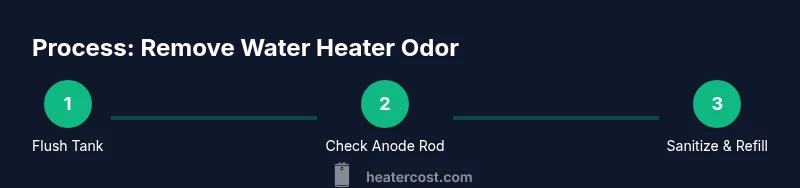
Most odor issues can be addressed with a combination of flushing, anode rod maintenance, and temperature adjustments. Start with a full flush of the tank to remove settled sediments, then inspect the anode rod for corrosion or mineral buildup and replace if needed. Sanitizing the tank with a light chlorine solution can also help neutralize odor-causing bacteria. Maintain a comfortable temperature (generally around 120°F) to reduce bacterial growth without scalding risk. If the smell persists after these steps, moving to more involved fixes or professional service is advised.
How to flush the water heater: a practical guide
Flushing is the most effective first step in many odor issues. It removes sediment that can harbor bacteria and stale water. After draining, you will re-fill the tank with clean water and re-ignite the unit. This process also helps you verify the drain valve and supply lines are functioning correctly. If you notice a foggy odor after flushing, you may need to perform a deeper clean or replace the anode rod.
Replacing or upgrading the anode rod
The anode rod protects the tank from corrosion by attracting corrosive elements. If the rod is heavily corroded or made from magnesium and you have hard water, it can contribute to odors. Consider switching to an aluminum-zinc alloy if your water chemistry supports it; this can reduce hydrogen sulfide production and odor risk. Replacement is straightforward but requires draining the heater again and loosening a large nut at the top of the tank. Always verify compatibility with your model and energy source.
Sanitizing the tank and neutralizing odors
If flushing and anode rod changes don’t fully resolve the odor, sanitize the tank. A safe approach is a diluted chlorine solution (per manufacturer guidance) or a dedicated hot-water system cleaner. After sanitation, flush again with fresh water to remove residual chlorine and odor-causing compounds. This step is especially useful if bacteria caused the odor or if you’ve just cleared sediment that harbored microbes.
Temperature settings and maintenance to prevent future smells
Keeping the water heater at a moderate temperature helps deter bacterial growth. A setting around 120°F is commonly recommended, but verify the lowest safe temperature for your household to avoid scalding. Regular maintenance—annual flushing, periodic anode rod checks, and quick inspections for leaks—extends the life of the unit and reduces odor chances. Building a simple maintenance schedule keeps odors from returning.
When a smell could indicate a bigger issue
Persistent odors after flushing and maintenance can signal more serious problems, including a failing tank, a gas venting issue, or a gas line leak. If you notice a strong gas smell, hissing sounds, or a persistent rotten-egg odor despite maintenance, shut off the power and gas supply and call a licensed professional immediately. A misbehaving water heater can be a safety risk, so don’t delay if you suspect dangerous conditions.
Authority sources and further reading
For more robust guidance, consult official sources on water heater safety and maintenance. The U.S. Department of Energy provides detailed advice on selecting and maintaining water heaters, while the Environmental Protection Agency offers general indoor air quality guidance relevant to household appliances. These external references help homeowners verify best practices and stay safe while troubleshooting odor issues.
Final notes: practical, safe steps you can take this weekend
By following a systematic sequence—safety checks, flushing, anode rod inspection, potential sanitation, and preventive maintenance—you can often eliminate water heater odors without professional service. If any step feels beyond your comfort level or if the odor persists after the above fixes, plan a professional evaluation. The goal is a safe, odor-free hot-water system that serves your home reliably.
Tools & Materials
- Adjustable wrench(For loosening the anode rod and drain valve fittings)
- 5/8 inch garden hose(To connect to the drain valve and direct water away)
- Bucket or large container(To catch residual water during draining)
- Sodium hypochlorite (household bleach) or water heater cleaner(For tank sanitation following flushing)
- Chlorine or water-safe cleaner (optional)(Used only if you intend a sanitizing flush)
- Replacement anode rod (magnesium or aluminum-zinc)(Only if testing shows significant wear or odor-causing corrosion)
Steps
Estimated time: 60-120 minutes
- 1
Power off and close water inlet
Turn off the electrical supply at the breaker for an electric unit, or close the gas valve for a gas unit. Then close the cold-water inlet to prevent new water from entering the tank. This prevents injury and contains the draining process.
Tip: If you’re unsure about the electrical shutoff, err on the safe side and cut power at the main breaker box. - 2
Attach the drain hose
Connect a 5/8 inch garden hose to the drain valve, run it to a safe drainage area, and open the valve slowly. This creates a controlled path for the tank contents to exit.
Tip: Check the hose connection for leaks before opening the valve fully. - 3
Vent and drain the tank
Open a hot-water faucet somewhere in the house to vent air as the tank drains. Then open the drain valve and let water flow out until the tank is empty. Sediment will flush out with the water.
Tip: Opening a hot-water tap speeds up drainage by letting air into the system. - 4
Flush and inspect
Keep draining until the water runs clear. If the water is discolored or very rusty, this may take longer. Close the drain valve when clear and inspect the drain for any debris.
Tip: If you see a lot of sediment, you may want to repeat the flush or perform a deeper clean. - 5
Refill with fresh water
Close the drain valve, remove the hose, and open the cold-water supply to refill the tank. Once the tank is full, close the cold-water inlet and re-ignite the unit (power switch or gas valve).
Tip: Keep the hot-water faucet open until you see a steady stream of water; this confirms full refill. - 6
Restore power/gas
Turn the electrical power back on or re-open the gas valve and re-ignite the heater according to the manufacturer’s instructions. Check for proper operation by running hot water and listening for any unusual noises.
Tip: If the unit struggles to ignite or cycles abnormally, shut down and seek professional help. - 7
Check the anode rod
Locate and inspect the anode rod. If it’s heavily corroded or coated in mineral buildup, replace it with a compatible rod (aluminum-zinc if possible). This reduces odor-causing reactions and extends tank life.
Tip: Always shut off power and drain the tank before removing the anode rod. - 8
Sanitize the tank (optional step)
If you want extra odor control, prepare a mild chlorine solution or a dedicated tank cleaner and circulate it through the system per label instructions. Rinse thoroughly by flushing again with clean water.
Tip: Avoid high-concentration chemicals; start with a small amount and follow manufacturer directions. - 9
Finalize and test
Run hot water for several minutes to ensure the odor is gone and the system operates normally. If the odor persists, consider scheduling a professional inspection.
Tip: Document the steps you took and monitor for odor recurrence over the next few weeks. - 10
Schedule maintenance
Create a yearly maintenance plan: flush once a year, inspect the anode rod every 2-3 years, and verify thermostat settings. Regular upkeep dramatically reduces odor risk.
Tip: Set calendar reminders to maintain consistency and extend the life of your unit.
Got Questions?
Can a water heater smell be dangerous, and should I ignore it?
Some odors can indicate gas leaks or bacterial growth. If you detect a strong gas smell, evacuate immediately and contact your utility. For rotten-egg odors, perform the recommended maintenance steps, and if the odor persists, seek professional evaluation.
Odors can signal safety risks. If you smell gas, leave the area and call emergency services. If it’s a rotten-egg smell from hot water, follow the maintenance steps and call a pro if it remains.
Is it safe to flush a gas water heater myself?
Flushing a gas water heater can be safe if you follow proper shutdown procedures and ventilation. Turn off the gas valve and keep the area well-ventilated. If you’re unsure, hire a licensed plumber or gas technician.
Yes, but only if you carefully shut off the gas and power and follow the safety steps. If you’re unsure, contact a professional.
How often should I flush my water heater to prevent odors?
Many homeowners flush annually, but if you have hard water or high mineral content, more frequent flushing could help. Regular maintenance reduces sediment buildup and odor risk.
Most people flush once a year; those with hard water might do it more often.
Can replacing the anode rod fix a persistent odor?
Replacing a worn or magnesium-based anode rod with an aluminum-zinc variant can reduce certain odors caused by water chemistry. If odors persist after flushing, consider rod replacement.
Yes, changing the anode rod can help odors tied to water chemistry. If it doesn’t fix it, you may need more steps.
What if the smell is coming from the cold water line?
If the odor appears in cold water as well, the issue may be upstream of the heater—piping, a well system, or municipal supply. The water heater might still contribute, but you’ll want to test other parts of the system as well.
If cold water smells too, look beyond the heater to piping or the supply itself.
When should I replace my water heater due to odor?
If odor persists after thorough flushing, anode replacement, and sanitation, replacing the unit could be more cost-effective than ongoing troubleshooting. A professional assessment can confirm the best course.
If odors keep coming back after maintenance, replacement might be the best option.
Watch Video
The Essentials
- Flush and inspect the tank to remove odor-causing buildup.
- Replace the anode rod if corroded to restore odor control.
- Sanitize and maintain a safe temperature to prevent future smells.
- If odors persist, consult a licensed professional promptly.
- Regular maintenance reduces odor risk and extends heater life.