How to Deal with Heat Exhaustion: A Practical Guide
Learn actionable steps to recognize, treat, and prevent heat exhaustion. This guide covers first aid, hydration, cooling techniques, and when to seek medical help, with tips for homes, workplaces, and outdoor activities.


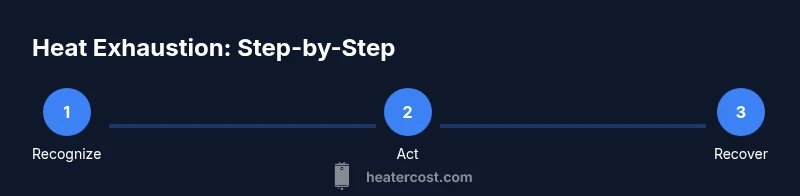
According to Heater Cost, heat exhaustion is a preventable medical condition that requires prompt action. This quick guide outlines the steps you’ll take to recognize symptoms, provide first aid, and prevent progression to heat stroke in homes, workplaces, or outdoors. How to deal with heat exhaustion starts with stabilizing the person, rehydrating safely, and cooling the body.
What is heat exhaustion?
Heat exhaustion is a heat-related illness caused by prolonged exposure to high temperatures, especially when combined with dehydration. It occurs when the body's cooling mechanisms become overwhelmed, leading to a core temperature that is elevated but not in the danger zone of heat stroke yet. Understanding how to deal with heat exhaustion begins with distinguishing it from more severe conditions: heat stroke, which is a medical emergency, presents with altered mental status, confusion, or unconsciousness and requires urgent care.
Risk factors include working in hot environments, exercising in heat without adequate hydration, wearing heavy or non-breathable clothing, taking certain medications like diuretics or antihistamines, and living in high humidity without air conditioning. It's important to note that heat exhaustion can develop gradually over hours of exposure or rapidly after a sudden heat spike. The good news is that most cases resolve within a short period with rest, cooling, and hydration. Early signs often include heavy sweating, weakness, dizziness, nausea, headaches, and cramps. If any symptoms worsen, stop activity immediately and move to a cooler place.
Recognizing signs and symptoms
Recognizing heat exhaustion early helps prevent progression to heat stroke. Common signs include heavy sweating, pale or clammy skin, fatigue, dizziness or fainting, headache, muscle cramps, nausea, and lightheadedness. In some cases, confusion or irritability can appear, especially in children or older adults. If someone experiences confusion, vomiting, or a rapid pulse, take it seriously and seek medical help. When evaluating symptoms, check for the ability to drink fluids, level of responsiveness, and the presence of heat-related skin changes. Remember that dehydration worsens symptoms, so improving fluid intake should be prioritized if the person can safely swallow.
If you're unsure whether it's heat exhaustion or heat stroke, treat it as an emergency until you have a definitive assessment. Heat stroke features a high body temperature, confusion or unconsciousness, and a failure of the body's cooling mechanism, and requires immediate medical intervention.
Immediate first aid steps
When heat exhaustion is suspected, take these immediate actions. Move the person to a shaded or air-conditioned area and remove excess clothing. Loosen tight clothing and apply cool, damp cloths or a cool bath to help lower body temperature. Offer small sips of water or an electrolyte drink if the person is fully conscious and able to swallow without dizziness. If the person is nauseated, do not force fluids; instead, wait until they can tolerate small amounts.
Continue to monitor responsiveness and breathing. If symptoms worsen or do not improve within 15-30 minutes, seek medical help. Keep the person lying down with legs elevated slightly to improve circulation while cooling continues. If possible, use a fan to increase air flow and encourage sweating to aid cooling.
Cooling strategies that work
Cold or cool water immersion is a highly effective rapid cooling method when available, but not always practical. Alternative cooling strategies include placing cooling towels or wet sheets on the neck, wrists, groin, and armpits, where blood vessels are close to the surface. A fan can help with air movement, and a cool environment (air conditioning) is ideal. Avoid ice-cold baths as they can cause shock in some individuals. Elevating the legs a bit can also aid blood flow to the core while cooling proceeds.
If the person has access to shade and a cool environment, combine these methods with steady hydration. Do not overhydrate with large gulps of liquid; instead, provide small, frequent sips. Do not give caffeinated or alcoholic beverages, which can worsen dehydration. If fitness activities or work are ongoing, take a break and resume only after symptoms have resolved and the person feels steadier.
Hydration and electrolyte considerations
Hydration plays a central role in recovery from heat exhaustion. For conscious individuals, offer small amounts of water or an oral electrolyte solution every 15 minutes. If drinking is difficult due to nausea, wait a short period and try again. Avoid sugary drinks with high caffeine content; these can worsen dehydration. Electrolytes are especially helpful after heavy sweating, as they replace minerals such as sodium and potassium lost through perspiration.
For young children and older adults, use age-appropriate fluids and avoid forceful intake if there is vomiting. In hot environments or during prolonged exposure, create a hydration plan ahead of time to prevent future episodes. If symptoms persist despite proper hydration, seek medical advice to assess for underlying causes or heat-related complications.
When to seek medical help
Heat exhaustion can usually be managed at home with prompt first aid, but certain situations require medical evaluation. Seek medical help if symptoms persist beyond 30 minutes of cooling and hydration, if confusion or dizziness worsens, if there is fainting, or if the person cannot stay hydrated due to vomiting or unconsciousness. Medical professionals may monitor vitals, provide IV fluids, or assess for underlying conditions that contributed to heat illness. If you're in doubt, err on the side of caution and contact emergency services.
Always consider individual factors such as age, chronic illnesses, pregnancy status, or limited mobility when deciding on care. For outdoor workers or athletes, implement a preventive plan to reduce exposure and incorporate breaks in shaded or cooled areas during peak heat hours.
Special populations at higher risk
Children, older adults, pregnant people, and individuals with chronic illnesses or cardiovascular conditions are at higher risk for heat exhaustion. Young children may not communicate symptoms effectively, so caregivers should be vigilant for signs like irritability, flushed skin, or excessive sweating. Older adults may have diminished thirst perception, which can delay hydration. Pregnant individuals may have higher metabolic demands and should seek guidance on safe cooling and hydration practices. Outdoor workers should schedule work during cooler parts of the day and ensure access to shade and fluids.
In all populations, acclimatization—gradual exposure to heat over 7-14 days—can reduce risk. Employers and homeowners should implement heat safety plans, including hydration stations, cooling areas, and clear emergency protocols.
Prevention strategies for home and work
Preventing heat exhaustion starts with planning. Keep indoor temperatures comfortable using cooling devices, fans, and proper ventilation. Dress in lightweight, breathable fabrics and avoid heavy or tight clothing. Schedule outdoor activities during cooler parts of the day and take frequent rest breaks in shaded areas. Maintain a hydration routine: carry water, sip regularly, and replace electrolytes during and after exercise. If you have medications that affect hydration or heat regulation, discuss safer alternatives with a clinician.
Additionally, monitor for heat warnings during heat waves and take extra precautions for vulnerable household members. Use technology like cool-mist humidifiers or smart thermostats to maintain a steady indoor climate. For workplaces, implement a heat safety policy that includes heat illness training, buddy systems, and access to medical resources. The goal is to create an environment where the body can cool efficiently and hydration needs are consistently met.
Recovery and returning to activity
Recovery from heat exhaustion focuses on resting and gradually resuming activity. After cooling and hydration, allow the body to recover for at least 24-48 hours, depending on symptom duration and severity. Start with light activity and monitor for lingering symptoms such as fatigue, dizziness, or headaches. If symptoms recur, extend rest, and seek medical advice. Employers should assess work demands and adjust schedules to avoid re-exposure to heat until the individual is fully recovered.
Educate household members and coworkers about early warning signs to prevent a recurrence. Maintain ongoing hydration and cooling strategies during subsequent heat exposures, especially in hot climates or during heat waves. By prioritizing acclimatization and safe recovery, you reduce the risk of recurring heat exhaustion and related complications.
Tools & Materials
- Water and electrolyte drinks(Have at least 1 liter available; prefer electrolytes for ongoing symptoms)
- Cooling supplies (cooling towel, damp cloth)(Apply to neck, wrists, or armpits to speed cooling)
- Fan or portable cooler(Use to increase air flow in a shaded or cooled area)
- Phone or access to emergency services(Call for help if symptoms worsen)
- Light, breathable clothing(Helps heat dissipation)
Steps
Estimated time: 15-30 minutes
- 1
Assess scene and ensure safety
Scan the environment for heat sources, traffic, or hazards. If you are with someone showing possible heat exhaustion, move them to a cooler, shaded area and ensure they can sit or lie down comfortably. Check for responsiveness and breathing, and prepare to call for help if symptoms worsen.
Tip: Always prioritize your safety before assisting another person. - 2
Call for help if warning signs appear
If there is confusion, fainting, or the person cannot stay hydrated or responsive, call emergency services immediately. Even if you\'re unsure, it is better to err on the side of caution and obtain professional medical assessment.
Tip: Keep essential information ready: age, medications, and known health conditions. - 3
Loosen clothing and begin cooling
Loosen tight clothes and remove excess layers. Use a cool, damp cloth on the neck, wrists, and armpits, and position a fan to increase air flow. A cool bath can be used if the person can safely enter and exit.
Tip: Do not use ice directly on the skin to prevent cold injury. - 4
Offer fluids if conscious
Provide small sips of water or an electrolyte solution every 15 minutes. If vomiting or dizziness occurs, stop fluids and allow recovery before attempting small amounts again.
Tip: Avoid large gulps; rapid intake can lead to nausea. - 5
Monitor vital signs and comfort
Check for steadier breathing, improved alertness, and reduced dizziness. If symptoms persist beyond 15-30 minutes of cooling and hydration, seek medical care.
Tip: Keep the person from overheating again while waiting for help. - 6
Avoid medications that mask symptoms
Do not give aspirin, ibuprofen, or other NSAIDs to treat heat exhaustion without medical guidance; they can mask symptoms or worsen outcomes in some individuals.
Tip: If pain relief is needed, consult a clinician before taking medications. - 7
Determine next steps
If symptoms improve quickly, plan for a gradual return to activity with rest breaks and continued hydration. If symptoms recur after resuming activity, stop and seek medical advice.
Tip: Acclimate slowly to heat over the next few days. - 8
Document and communicate
Record the incident details and share with a caregiver or supervisor if relevant. This helps identify triggers and prevent future episodes.
Tip: Review workplace or home safety plans after an event. - 9
Recovery and follow-up
Encourage rest and monitor for lingering fatigue. Plan a follow-up with a healthcare provider if symptoms persist beyond 24-48 hours or recur with heat exposure.
Tip: Return to activity gradually and monitor for relapse.
Got Questions?
What is heat exhaustion and how does it differ from heat stroke?
Heat exhaustion is a milder heat-related illness marked by sweating, fatigue, and lightheadedness. Heat stroke is a medical emergency with high body temperature and altered mental status and requires immediate treatment.
Heat exhaustion is milder; heat stroke is life-threatening and needs urgent care.
What are the first-aid steps I should take immediately?
Move the person to shade, loosen clothing, apply cooling methods, and offer small sips of water if they can swallow safely. Monitor for worsening symptoms and seek help if needed.
Move to a cool place, cool the body, and hydrate if possible.
Can dehydration cause heat exhaustion?
Yes, dehydration significantly increases the risk of heat exhaustion. Rehydrating with water and electrolytes helps restore balance and supports recovery.
Yes, dehydration is a major risk factor; rehydrate gradually.
Who is at higher risk for heat exhaustion?
Children, older adults, pregnant individuals, and outdoor workers are more susceptible, especially in hot and humid conditions.
Kids, seniors, pregnant people, and outdoor workers are at higher risk.
When should I seek emergency medical care?
Seek emergency care if symptoms worsen, include confusion or fainting, or if the person cannot stay hydrated.
If symptoms get worse or don’t improve, call for help.
Are there medications I should avoid during heat exhaustion?
Avoid giving NSAIDs like aspirin or ibuprofen to treat heat exhaustion unless advised by a clinician; they may worsen outcomes in some cases.
Avoid certain medicines unless a clinician says it’s okay.
Watch Video
The Essentials
- Stabilize, cool, and rehydrate quickly.
- Monitor symptoms and seek help if they worsen.
- Prevention through hydration and shade reduces risk.
- Plan for gradual return to activity after a heat event.