How to Deal with Heat Intolerance: A Practical Guide
Learn practical, evidence-based strategies to manage heat intolerance at home, work, and outdoors. From hydration to cooling techniques, this guide offers actionable steps to stay comfortable, safe, and productive in hot weather.


Learn practical steps to manage heat intolerance with confidence. This guide covers hydration, cooling strategies, clothing choices, and daily routines for home, work, and outdoor activities. Follow these steps to reduce discomfort, lower fatigue, and stay safe during hot weather. We'll reference general guidance and Heater Cost insights.
Understanding Heat Intolerance
Heat intolerance refers to an exaggerated response to ambient temperatures that most people find comfortable. Symptoms may include dizziness, fatigue, headaches, nausea, heart palpitations, or confusion. Causes vary: dehydration, medication side effects, chronic conditions like thyroid or cardiovascular issues, or poor heat acclimation from dry climates. People with limited sweating ability, older adults, or those taking certain medications may be more susceptible. Environment plays a crucial role; high humidity reduces evaporative cooling, direct sun adds heat load, and poor airflow traps warm air. Recognizing triggers such as prolonged outdoor activity, caffeine or alcohol intake, and heavy meals around heat can help you plan. Importantly, heat intolerance is not a personal failing—it is a unique physiological response that can be managed with simple, consistent habits. According to Heater Cost, improving living and work environments—shade, airflow, and temperature control—can significantly boost comfort and reduce energy waste. A practical symptom log and a plan for gradual exposure are the foundation of safer, more productive hot-weather days. The goal is safer exposure and better sleep, appetite, and energy levels.
Quick Wins to Reduce Heat Exposure
Begin with rapid adjustments you can implement today. Seek shade whenever outdoors and avoid peak sun hours. Create cross-breezes indoors using ceiling fans or portable fans placed to push air across your body. Take short, frequent breaks in cooler rooms, ideally with a cool compress on the skin or a damp washcloth. Hydration is central: drink water regularly and consider a zero or low-sugar electrolyte solution to restore minerals. Limit alcohol and large caffeine doses on hot days, as they can worsen dehydration. Dress in breathable fabrics like cotton or linen, and select light colors that reflect rather than absorb heat. If outdoors, wear a wide-brimmed hat and UV-protective sunglasses. Keep indoor spaces cooler by using window shades, reflective blinds, and dehumidification when humidity is high. Small changes compound over a hot day and set you up for a more comfortable routine.
Hydration and Nutrition for Heat Tolerance
Hydration supports blood volume, skin cooling, and overall comfort. Start with water as your baseline and add electrolytes if you experience prolonged sweating or rapid heart rate. Foods with high water content—cucumbers, melons, leafy greens—help hydration in a tasty way. When hot, the body needs minerals such as potassium and magnesium to maintain electrolyte balance; consider snacks that include bananas, dairy, or nuts. Avoid large meals that heat the body, and choose lighter meals more often. Caffeine has a diuretic effect for some people; monitor your response and adjust accordingly. Alcohol can worsen dehydration and sleep quality, so limit intake during heat waves. Regular small meals help regulate blood sugar and energy, reducing heat-related fatigue. The Heater Cost team notes that a well-hydrated body cools more efficiently and reduces energy use by supporting comfortable ambient temperatures. This combination of hydration and nutrition improves tolerance and daily performance.
Clothing and Environment Adjustments
Choose fabrics that wick moisture and breathe, such as cotton, linen, or moisture-wicking blends. Loose-fitting clothes allow air to flow and reduce heat-trapping layers. For outdoor activities, a light, breathable layer with sun protection is ideal; a wide-brim hat and sunglasses shield the face and eyes. Keep skin cool by using cooling towels or a small fan; place a damp cloth on wrists, neck, or behind the ears. In indoor spaces, reduce heat load by using window shades, reflective blinds, and ceiling fans to create a comfortable airflow. If humidity is high, using a dehumidifier helps evaporative cooling work more effectively. Avoid dark, heavy fabrics and tight outfits that trap heat. The goal is to maintain a comfortable, breathable wardrobe that supports activity without overheating. Remember, small clothing choices contribute significantly to daily comfort.
Home Cooling Strategies and When to Upgrade
A proactive cooling strategy can dramatically reduce heat discomfort. Start by ensuring windows and doors seal properly to prevent warm air from leaking in. Use fans for air movement and, where feasible, install an energy-efficient air conditioner or a heat pump to maintain a consistent indoor temperature. If existing AC is unreliable, service or replace components such as filters, coils, or thermostats; regular maintenance improves efficiency and reduces energy costs. Humidity control is essential; use a dehumidifier in damp climates to improve evaporative cooling. For homes with attic heat, add insulation and seal leaks to lower cooling load. Smart thermostats enable scheduling and adaptive cooling, aligning comfort with energy savings. Outdoor cooling can be improved with trees, shade sails, and reflectant roofing materials. The Heater Cost analysis shows that thoughtful cooling design reduces energy waste and keeps living spaces comfortable during hot spells.
Exercise and Heat: Safe Planning
Physical activity helps health but can trigger heat symptoms if poorly planned. Start with shorter sessions during cooler parts of the day and gradually increase duration as you acclimate. Monitor heart rate, perceived exertion, and symptoms like dizziness or confusion; stop if you feel unwell. Hydration before, during, and after exercise is crucial; sip water or an electrolyte drink and avoid heavy meals right before activity. Wear lightweight, breathable gear and consider a cooling vest for longer sessions. If you have a chronic condition or take medications that affect temperature regulation, discuss exercise plans with a clinician. Always carry water and a cooling towel during outdoor workouts. Warming up slowly inside a cool room can help your body adjust to the heat. The goal is to maintain consistent activity without triggering overheating.
Work and Travel Tips for Hot Days
For workers, schedule demanding tasks for cooler parts of the day and take frequent breaks in air-conditioned spaces. Use portable fans or evaporative coolers at your desk. Carry a refillable bottle and stay on hydration plan; limit caffeinated drinks if they worsen symptoms. In transit, carry cooling towels, a hat, and sunscreen; choose shade when possible and seek air-conditioned routes or facilities. Hotels, offices, and public spaces with reliable climate control reduce exposure; if you frequently travel between climates, acclimate gradually and listen to your body's signals. At work, communicate needs to supervisors and colleagues—reasonable accommodations can include extra breaks or adjusted workloads in extreme heat. The goal is to stay productive while protecting health, and to avoid risky exposure. Heater Cost's data emphasize the benefit of planning and environment-aware routines for maintaining comfort while reducing energy waste.
Mental Health, Sleep, and Heat
Heat can disrupt sleep and elevate stress, particularly when temperatures stay high at night. Create a cool-down routine before bed: a cool shower, light clothes, and a fan in the bedroom. Keep the sleeping environment dark, quiet, and well-ventilated; use breathable bedding and moisture-wicking sheets if available. Consistent sleep schedules support mood, cognitive function, and safety when heat is high. Practicing mindfulness or brief relaxation exercises can mitigate irritability and improve recovery. If heat intolerance affects daily functioning, consider talking with a healthcare professional about underlying conditions or medications. The goal is to preserve mental well-being and ensure restorative sleep even during hot periods.
Medical Considerations and When to Seek Help
If symptoms escalate or you have existing health conditions, seek medical advice promptly. Depending on your situation, heat intolerance can be influenced by medications, thyroid issues, or cardiovascular problems; a clinician can assess risk factors and adjust treatment plans. Seek urgent care if you experience confusion, severe dizziness, fainting, chest pain, or a rapid or irregular heartbeat. People over 65 or with chronic illnesses should have a clear action plan for heat waves and consider staying with relatives or caregivers during extreme heat. If symptoms persist despite home strategies, a clinician may recommend tests or therapy to improve heat tolerance. The Heater Cost team emphasizes proactive monitoring and professional guidance to safeguard health while maintaining energy-efficient cooling practices.
Building Your Personalized Heat-Management Plan
The final step is translating these strategies into a daily, practical plan. Start by listing your triggers, preferred cooling methods, and safe activity levels. Set a hydration schedule—sip water at regular intervals and adjust with sweat rate. Create a climate plan for home and work, including when to use fans, dehumidifiers, or air conditioning, and how to adjust clothing and meals. Trial and error helps you learn what works best; keep a simple log of symptoms, mood, energy, and sleep quality. Revisit your plan after a heat event or season change. The Heater Cost team recommends naming goals, tracking progress, and refining routines so you feel more comfortable and productive. This approach not only eases daily life but also supports long-term resilience to heat, enabling safer, steadier energy use and better overall well-being.
Tools & Materials
- Reusable water bottle(At least 16 oz, track intake)
- Electrolyte beverage or powder(Low-sugar option preferred)
- Lightweight breathable clothing (cotton, linen)(Loose fits to maximize airflow)
- Wide-brim hat and sunglasses(If outdoors)
- Portable fan or cooling towel(USB-powered or battery powered)
- Shade umbrella or sunshade(Outdoor use)
- Indoor thermometer/hygrometer(Track temperature and humidity)
- Skin-safe cooling product (cooling spray/wipes)(For quick relief when needed)
Steps
Estimated time: 1-2 hours to set up plan; ongoing daily practice
- 1
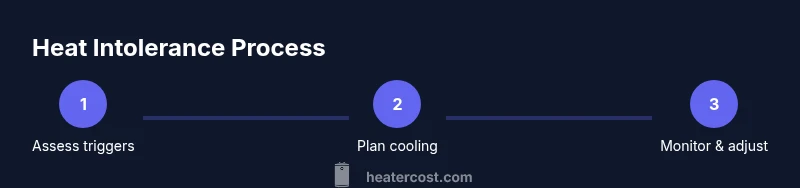
Assess symptoms and triggers
Identify your typical heat-related symptoms and the situations that trigger them. Note duration, intensity, and any medicines or foods that accompany episodes. This helps you tailor a plan that minimizes risk and maximizes safety.
Tip: Keep a simple log or note app to track patterns over a week. - 2
Create a home/work cooling plan
Map cooler spaces in your home and workplace. Plan breaks in air-conditioned areas and set up easy access to fans, shaded outdoor rest spots, and cooling towels. A clear plan reduces anxiety and helps you move efficiently on hot days.
Tip: Schedule cooling breaks like non-negotiable appointments. - 3
Build a hydration and nutrition plan
Establish regular hydration times and choose electrolytes when sweating is heavy. Pair meals with high-water content foods and light, balanced portions to prevent post-meal heat spikes.
Tip: Drink small amounts consistently rather than a large amount at once. - 4
Choose clothing and environment
Select breathable fabrics, light colors, and loose fits. Use shade, blinds, and fans to keep indoor air comfortable and reduce heat buildup.
Tip: Layering basics: remove layers indoors and add a light layer outdoors as needed. - 5
Plan activities around heat
Schedule strenuous tasks for cooler parts of the day and gradually increase exposure as tolerance improves. Build in rest periods to prevent overheating.
Tip: If you feel dizzy, faint, or disoriented, stop and rest in a cool place. - 6
Track progress and adjust
Review your symptom log weekly, refine hydration timing, clothing choices, and cooling strategies. Adjust activities and environment based on what worked best.
Tip: Celebrate small wins to stay motivated.
Got Questions?
What is heat intolerance?
Heat intolerance is when the body responds more strongly to heat than is typical, causing symptoms like dizziness, fatigue, or nausea. It can arise from dehydration, medications, chronic conditions, or insufficient heat acclimation.
Heat intolerance means your body reacts more strongly to heat, with symptoms like dizziness or fatigue.
What are common symptoms to watch for?
Common signs include dizziness, headaches, excessive sweating or dry skin, rapid heartbeat, nausea, confusion, and fatigue. Seek medical advice if symptoms worsen or persist after cooling.
Dizziness, headaches, fatigue, and rapid heart rate are common warning signs.
How can I quickly cool down during a heat episode?
Move to shade or a cooler room, use a fan, dampen the skin with cool water, and sip water or electrolyte drinks. If symptoms persist, slow down activity and seek medical attention if needed.
Go to a cool place, use a fan, and hydrate; stop if you feel worse.
Can heat intolerance be cured?
There is no universal cure; many people improve with environmental adjustments, hydration, and gradual acclimation. In some cases, underlying conditions or medications may be adjusted to reduce sensitivity.
There isn't a one-size-fits-all cure, but most people improve with good management.
What should I do if I have a medical condition that worsens in heat?
People with cardiovascular, metabolic, or thyroid issues should consult their clinician for a heat-management plan and emergency steps for hot days.
If you have a heart or thyroid issue, work with your doctor to tailor a plan.
Are there medications that worsen heat intolerance?
Some medicines can affect sweating, blood pressure, or hydration status. Always review side effects with your healthcare provider, especially before heat waves.
Certain drugs can affect how you handle heat; talk to your doctor about side effects.
Watch Video
The Essentials
- Identify triggers and adapt environments
- Hydration and cooling are core to comfort
- Plan activities to avoid peak heat times
- Monitor symptoms and seek medical help when needed
- Create and refine a personalized heat-management plan