How to deal with heat stroke at home
Learn to recognize heat stroke, initiate at-home cooling, hydrate safely, and know when to seek urgent medical help with evidence-based steps and trusted sources.


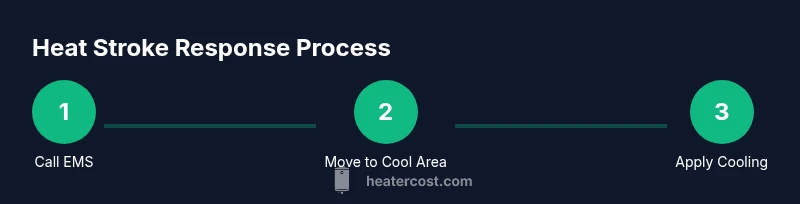
Immediate heat stroke response at home focuses on rapid cooling and medical help. Move the person to shade, remove excess clothing, call emergency services if severe symptoms appear, and start cooling with ice packs or a cool bath while waiting for responders. Do not give medications or fluids if unconscious or unable to swallow.
What heat stroke is and why it's an emergency
Heat stroke is a life-threatening condition that occurs when the body's regulatory system fails in hot conditions. It is a medical emergency requiring urgent action. Core body temperature can rise quickly to 40°C (104°F) or higher, and symptoms may appear suddenly or develop over a few hours. The risk is higher for older adults, young children, people with chronic illnesses, athletes, and anyone who is dehydrated or exposed to high heat for a long period. According to Heater Cost, early recognition and prompt cooling are critical to prevent organ damage or death. Do not assume heat-related symptoms are mild—heat stroke can progress rapidly, especially in humid environments or when physical exertion continues under hot conditions.
During heat stroke, the body's temperature-regulation mechanisms fail, and the person may become confused, lose consciousness, have seizures, or develop red, hot, dry skin or sweating that stops. In some cases, sweating remains but the person is overwhelmed by heat. Heat stroke can be triggered by a combination of environmental heat, dehydration, and intense activity, or by medications that affect temperature regulation. In any case, time is critical: cooling and medical assessment should happen as soon as possible to minimize risk of brain injury, kidney damage, and other life-threatening complications.
In a home setting, you should start cooling immediately while arranging transport to medical care. The sooner cooling begins, the better the chance of a positive outcome. If the person is conscious and able to drink, offer small sips of cool water or an electrolyte solution, but do not force fluids if there is any risk of choking or vomiting. Remain calm, monitor responsiveness, and prepare to relay symptoms, medications, and recent exposure to heat to responders.
How heat stroke develops: risk factors at home
Heat stroke does not arise from a single cause; it results from a combination of factors that overwhelm the body's ability to regulate temperature. At home, several risk factors can converge: sleeping or staying in a poorly ventilated, sun-warmed room; high humidity that impedes sweat evaporation; strenuous activity during heat waves; clothing that traps heat; limited access to cool water or air conditioning; and preexisting medical conditions such as cardiovascular disease or diabetes. Prescription medications like diuretics, anticholinergics, or beta-blockers can also affect thermoregulation. Recognizing these factors helps you prepare and reduce risk: keep living spaces cool, schedule outdoor work for cooler parts of the day, stay hydrated, and check on vulnerable household members during heat events. According to Heater Cost, proactive planning and simple cooling strategies can greatly reduce the risk of heat-related emergencies in residential settings.
Recognizing signs and symptoms
Heat stroke signs can appear suddenly or develop over a few hours. Key indicators include a very high body temperature (above 40°C or 104°F), hot and dry skin or, less commonly, sweating, confusion, agitation, slurred speech, seizures, dizziness, fainting, or unconsciousness. Other symptoms can include rapid pulse, rapid breathing, headache, nausea, and confusion or disorientation. Because heat stroke impairs the brain and vital organs, rapid recognition is essential. If any of these signs are present, treat as an emergency and call 911 or your local emergency number immediately. If possible, move the person to a cooler place and begin cooling while awaiting help. Heater Cost emphasizes that temperature readings alone do not confirm heat stroke; the combination of symptoms and temperature informs urgency, so act quickly even if you are unsure of the exact temperature.
Immediate at-home actions you should take before help arrives
When heat stroke is suspected, your actions should be decisive and coordinated. First, call emergency services if the person is unconscious, confused, has seizures, or cannot stay safely awake. Then move the person to shade or an air-conditioned area and remove excess clothing. Begin cooling by applying ice packs to the neck, armpits, and groin, or use cool, damp cloths and a fan to lower body temperature. If the person is awake and able to swallow, offer small sips of water or an electrolyte solution; do not give fluids if they are losing consciousness or vomiting. Monitor breathing and responsiveness and be prepared to perform CPR if indicated. Avoid giving foods or medications unless advised by a medical professional.
Hydration, cooling methods, and safe recovery afterward
Hydration helps recovery, but only if the person is fully alert and able to swallow safely. Use small sips of water or an oral rehydration solution; avoid alcohol or caffeinated drinks during the initial period. Cooling methods are most effective when they target major heat-loss areas: the neck, armpits, and groin with ice packs, or a cool bath if safe to do so. If relying on a fan, combine with wet towels to optimize evaporation. After stabilization, medical professionals may recommend observation in a cool, quiet environment and gradual reintroduction of fluids and foods as the person regains strength. If symptoms persist or worsen, seek urgent care even after initial cooling.
When to call for medical help and what to tell responders
Call emergency services immediately if the person shows any signs of heat stroke, especially confusion, loss of consciousness, seizures, vomiting, or an inability to stay awake. If you are with someone who has preexisting health issues or is pregnant, treat them as high risk and seek professional help promptly. Tell responders about exposure to heat, any medications taken recently, and whether fluids were given at home. If the emergency number is busy, follow the operator's guidance while continuing to assist with cooling and monitoring. According to Heater Cost, rapid escalation to professional care improves outcomes.
Prevention and risk reduction at home
Prevention centers on reducing heat exposure and maintaining hydration. Use fans, stay in air-conditioned spaces during peak heat hours, wear light clothing, and take breaks during physical activity. Hydration is essential; drink water regularly even if you do not feel thirsty, and consider electrolyte-rich drinks during very hot days. Acclimate gradually to heat by increasing exposure time slowly over several days. Check on vulnerable individuals (older adults, young children, people with chronic illnesses) multiple times a day during heat waves. Humidity control, shade, and proper ventilation all contribute to lower heat stress and fewer emergencies.
According to Heater Cost, consistent prevention strategies save lives by lowering the risk of heat stroke and reducing the need for urgent medical intervention on hot days.
AUTHORITY SOURCES
- Centers for Disease Control and Prevention (CDC): https://www.cdc.gov/disasters/extremeheat.html
- Mayo Clinic: https://www.mayoclinic.org/diseases-conditions/heat-stroke/symptoms-causes/syc-20352620
- National Institute of Health (NIH) - Heat-related Illnesses overview: https://www.nih.gov/health-information/heat-related-illnesses
Tools & Materials
- Water and electrolyte drinks(Have plenty of fluids available; avoid caffeine/alcohol during an episode)
- Cool compresses or ice packs(Apply to neck, armpits, and groin)
- Fan or portable AC(Use to promote evaporative cooling)
- Shade or access to air-conditioned space(Move the person to a cooler environment)
- Phone to call emergency services(Dial 911 or local equivalent immediately when symptoms are severe)
Steps
Estimated time: 60-90 minutes
- 1
Call emergency services
If the person shows signs of heat stroke—confusion, seizure, unconsciousness, or very high temperature—call emergency services immediately. Do not delay to check temperature; time is critical. If you are alone, call first, then return to the person to begin cooling.
Tip: If possible, provide exact symptoms and any medications the person has taken. - 2
Move to a cooler area
Relocate the person to shade or an air-conditioned room to reduce environmental heat load. Keep them lying down and avoid unnecessary movement that could worsen dehydration or injury.
Tip: If the person is conscious and sweating, lay them on their back with legs slightly elevated to improve blood flow. - 3
Remove excess clothing
Gently remove outer layers to help heat escape. Too much clothing can trap heat and hinder cooling efforts.
Tip: Use light, breathable fabrics and avoid chilling the person with cold air too rapidly. - 4
Begin cooling with cold packs
Apply ice packs or cool, wet towels to the neck, armpits, and groin, which are major heat-loss areas. If a bath is safe, a cool (not ice-cold) bath can be effective but not practical in all settings.
Tip: Continue cooling while you monitor for changes in consciousness or breathing. - 5
Offer small sips of fluids if alert
If the person is fully awake and can swallow safely, offer small amounts of water or an electrolyte drink. Do not force fluids if there is vomiting or confusion.
Tip: Keep track of intake and watch for nausea or vomiting that could indicate worsening condition. - 6
Monitor and wait for help
Stay with the person, monitor breathing, responsiveness, and temperature if you have a thermometer available. Be prepared to provide information to responders about symptoms and exposure.
Tip: If symptoms worsen, do not delay; provide the details to the EMS upon arrival. - 7
Avoid giving medications
Do not give aspirin, acetaminophen, or other antipyretics to treat heat stroke. These medications do not address the underlying emergency and can cause complications.
Tip: Medication should only be administered per medical advice or by responders. - 8
Prepare for hospital care
Be ready to provide any medical history, medications, allergies, and recent heat exposure when EMS arrives. Follow all professional instructions upon arrival at the hospital.
Tip: Bring a written list of medications and any known medical conditions if possible.
Got Questions?
What is heat stroke and why is it dangerous?
Heat stroke is a life-threatening emergency where the body's cooling system fails, leading to dangerously high internal temperatures. It requires urgent medical attention and rapid cooling to prevent organ damage.
Heat stroke is a medical emergency that happens when the body can’t cool down. It can cause brain and organ damage if not treated quickly.
How can I tell heat stroke from heat exhaustion?
Heat stroke usually features a very high body temperature, altered mental status, and possibly hot, dry skin. Heat exhaustion may cause heavy sweating, weakness, dizziness, and nausea but not the same level of neurological symptoms.
Heat stroke involves confusion and very high temperature; heat exhaustion is milder with sweating and fatigue.
When should I call emergency services?
Call emergency services immediately if the person is unconscious, confused, has seizures, or cannot safely swallow. If symptoms are severe but the person is conscious, seek urgent medical care while starting cooling.
Call emergency services right away if there is unconsciousness, confusion, or seizures.
Can I give water to someone with heat stroke?
If the person is awake and can swallow safely, offer small sips of water or an electrolyte solution. Do not give fluids if there is vomiting or loss of consciousness.
You can offer small sips of water if they are awake and able to swallow.
Is cooling with a fan enough to treat heat stroke?
A fan helps but is not a substitute for rapid cooling. Combine cooling with ice packs or damp cool cloths on key areas and call for medical help.
Fans help, but you still need rapid cooling and medical help.
How can I prevent heat stroke at home?
Prevention includes staying hydrated, staying in cool environments, limiting intense activity during heat waves, and acclimating gradually to heat. Regular check-ins with vulnerable household members reduce risk.
Stay hydrated, keep cool spaces, limit intense activity, and check on others during heat waves.
What information should I provide to emergency responders?
Provide location, observed symptoms, recent heat exposure, medications, allergies, and any known medical conditions. Mention if fluids were given at home and the person’s responsiveness during waiting.
Tell responders where you are, symptoms, medications, and recent heat exposure.
What equipment is recommended for at-home cooling?
Have a thermometer, cold packs, damp towels, a fan, and a cool environment ready. Avoid submerging in ice-cold water as rapid cooling can cause shocks.
Keep cold packs, towels, a fan, and a cool area ready.
Watch Video
The Essentials
- Act quickly at the first sign of heat stroke.
- Prioritize cooling and call emergency services immediately.
- Hydration is helpful only if the person can swallow safely.
- Medical professionals should assess and treat promptly to prevent complications.
- Prevention during heat waves saves lives.