How to Deal with Heat: A Practical Home Guide
A comprehensive, step-by-step guide for homeowners on how to deal with heat—from fast cooling tricks to long-term energy-saving strategies that improve comfort and safety during hot spells.


This guide helps you deal with heat at home by reducing indoor temperatures, staying safe during heat waves, and lowering energy use. You’ll learn fast fixes like shading and fans, plus longer-term strategies such as sealing leaks, improving insulation, and selecting energy-smart cooling options. Follow the steps to create a practical action plan.
Understanding Heat: What Drives Indoor Temperatures
How hot a home gets depends on multiple factors: sun exposure, window orientation, insulation quality, air leakage, humidity, and the efficiency of cooling equipment. According to Heater Cost, many homes trap heat through unshaded windows, gaps around doors, and aging or undersized cooling systems. To begin learning how to deal with heat, identify which factors are most active in your space—these are your priority targets for immediate relief and long-term savings. Use a simple heat audit: measure indoor temperature at different times of day, note sunny windows, and list rooms that feel muggy or stuffy.
Humidity amplifies heat; even comfortable temperatures can feel oppressive if the air is saturated. In humid climates, a dehumidifier can drastically improve comfort without blasting the air conditioner. In this guide, you’ll pair fast, low-cost fixes with scalable upgrades that fit most budgets and homes.
Quick wins to cool a room fast
In the next section you’ll find a short list of immediate actions you can take today. Start with shading, fans, and air movement to lower the perceived temperature before resorting to higher energy use. The goal is to create a cross-breeze and block heat from entering living spaces. Remember to recheck after sunset when outdoor conditions change. Quick wins are essential for today’s heat while you plan longer-term improvements.
Smart cooling strategies that save energy
Efficient cooling doesn’t always mean cranking the AC. Use programmable thermostats to shift cooling to cooler parts of the day, or run fans to circulate air and make rooms feel cooler. Pair cooling with humidity control; a dehumidifier can reduce the need for air conditioning by making the air drier and less oppressive. Consider energy-efficient options such as heat pumps or high-SEER air conditioners, and set expectations around temperature differentials between indoors and outdoors to minimize energy use while maintaining comfort.
Weatherization and building envelope improvements
A strong building envelope reduces heat gain in summer and heat loss in winter. Start with sealing gaps around doors, windows, and utility penetrations; install weather-stripping where needed and caulk exterior openings. Improve attic insulation, and consider radiant barriers for roofs in hot climates. These improvements reduce cooling loads, lower energy bills, and improve year-round comfort. If you’re unsure where to start, a basic home envelope assessment can guide upgrades to outside-facing areas first.
Choosing energy-efficient cooling systems and appliances
When replacement is necessary, prioritize energy-efficient models with high efficiency ratings and smart controls. Look for units with variable-speed fans, inverter-driven compressors, and refrigerants with low environmental impact. A properly sized system is essential; an oversized cooling unit wastes energy and increases humidity fluctuations, while an undersized unit struggles to meet demand on peak days. Combine cooling equipment choices with room zoning to direct cooling to active living areas.
Day-to-day habits that reduce heat gain
Small changes add up. Use window coverings during peak sun hours to reduce solar heat gain; place light-colored, breathable textiles on furniture to feel cooler; cook outdoors or use the microwave to minimize indoor heat. Drying clothes indoors adds humidity and heat, so use a vented dryer or air-dry outside. Finally, keep interior doors open for airflow when weather permits, and rotate fans to promote cross-ventilation.
Safety and health considerations in heat
Heat can be dangerous, especially for children, seniors, and people with medical conditions. Stay hydrated, take breaks in cool areas, and monitor signs of heat-related illness. If you lack reliable cooling, seek shade and air movement and contact local resources during heat waves. Keep emergency contacts handy and ensure medications and essential supplies remain accessible in a cool, dry place.
Seasonal planning: preparing for heat waves
Create a heat plan before temperatures spike. Schedule a quick home assessment, stock up on fans and shade materials, and pre-cool or pre-calcify some spaces when possible. Prepare a list of rooms to cool first, and set up a simple routine for morning and evening cooling cycles. This proactive approach reduces the stress of sudden heat waves and ensures more consistent comfort.
Maintenance and monitoring to keep heat under control
Regular maintenance of cooling equipment extends service life and maintains efficiency. Clean or replace air filters every 1-3 months, inspect ducts for leaks, and check insulation levels periodically. Use a smart thermostat to collect data on usage patterns and adjust schedules as needed. A light, routine monitoring habit can catch problems before they escalate and keep your home comfortable year-round.
Tools & Materials
- Thermometer and/or hygrometer(Digital device; track both temperature and humidity in 2-3 key rooms)
- Window shading (curtains, blinds, or reflective film)(Choose light colors or reflective options for high sun exposure)
- Weather-stripping kit(Seal doors and windows to reduce air leaks)
- Caulk and sealant(Use exterior-grade caulk for gaps > 1/8 inch)
- Fans (ceiling and portable)(Ceiling fans should rotate clockwise in cooling mode during warm months)
- Dehumidifier(Helpful in humid climates to improve comfort without overcooling)
- Insulation materials (attic, walls as needed)(Upgrade where attic insulation is below recommended levels)
- Energy-efficient cooling equipment(Look for high SEER or HSPF ratings and inverter technology)
Steps
Estimated time: 2-4 hours
- 1
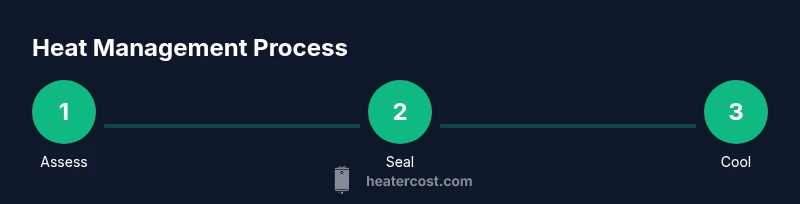
Assess heat sources and set targets
Identify the rooms that feel the hottest and note sun exposure. Record indoor temperatures at different times of day and set a realistic cooling target (e.g., 2-4 degrees cooler than outside during peak sun). This creates a clear starting point for planning.
Tip: Document changes with photos or a simple checklist to track progress. - 2
Seal leaks and improve the envelope
Inspect doors, windows, and attic access for gaps. Apply weather-stripping and caulk where needed to minimize heat ingress. A tight envelope reduces cooling load and improves comfort.
Tip: Focus on south-facing windows first, as they typically gain the most heat. - 3
Improve shading and insulation
Install curtains or reflect window films on sunny sides. Check attic insulation levels and add or upgrade where needed to prevent heat from transferring into living spaces.
Tip: Even temporary solutions like external awnings can significantly reduce heat gain. - 4
Optimize ventilation and air movement
Set up cross-ventilation using strategically placed fans and open windows during cooler parts of the day. Use ceiling fans to circulate air and create a perceived cooling effect without lowering air temperature.
Tip: Place fans to push air toward cooler rooms or outdoors to exhaust hot air. - 5
Upgrade or optimize cooling equipment
If replacing, choose energy-efficient cooling options and properly size them for your space. Use programmable thermostats to align cooling with occupancy and outdoor conditions.
Tip: Consider a heat pump for both cooling efficiency and potential heating in shoulder seasons. - 6
Control humidity and comfort
Use a dehumidifier where humidity is high to improve comfort without excessive cooling. Ventilate kitchens and bathrooms to manage moisture and prevent mold risk.
Tip: Run dehumidifier in the morning when outdoor humidity is typically higher. - 7
Monitor and maintain
Regularly inspect filters, seals, and insulation. Track energy use to measure impact of changes and adjust schedules as needed.
Tip: Set a quarterly reminder to perform a quick heat audit in living spaces.
Got Questions?
What is the most cost-effective way to deal with heat in a small apartment?
In small spaces, focus on shading, cross-ventilation, and fans first. Use a compact portable AC or a window unit if needed, but optimize airflow and humidity for comfort. Lowering humidity can dramatically improve perceived cooling without large energy use.
Start with shading and fans; a small window unit can help, but humidity control often makes the biggest difference in a compact space.
How can I reduce energy bills during hot months?
Prioritize envelope sealing, shading, and efficient cooling equipment. Use programmable thermostats and run fans to maximize air movement. Consider upgrading insulation and installing a heat pump for efficient year-round climate control.
Seal, shade, and program your cooling to run when it’s most efficient; a heat pump can cut costs over time.
Is dehumidification always helpful in hot weather?
Yes, especially in humid climates. Lower humidity makes the air feel cooler and reduces the need for aggressive cooling. Combine a dehumidifier with sensible temperature targets for comfort and efficiency.
Yes, reducing humidity often feels cooler and lets you use less air conditioning.
When should I call a professional for heat issues?
If you notice persistent hot spots, uneven cooling, device noises, or refrigerant smells, consult an HVAC professional. Regular maintenance and duct checks can prevent larger problems and ensure efficiency.
Call a pro if you have persistent problems or unusual noises; regular upkeep helps prevent bigger issues.
Can ceiling fans alone cool a room?
Fans improve comfort by moving air and increasing evaporation but do not lower room temperatures. Use fans in tandem with shading and humidity control to maximize perceived cooling.
Fans don’t lower the temperature, but they make heat feel more comfortable when used with shading and humidity control.
Watch Video
The Essentials
- Cool rooms fast with shading, airflow, and humidity control.
- Seal the building envelope to cut cooling loads.
- Choose energy-efficient cooling systems and proper sizing.
- Weatherize before expanding cooling capacity.
- Monitor health and safety during heat events.