How to Check If Your Water Heater Is Working: A Practical Guide
Learn how to check if your water heater is working with safety checks, power and thermostat tests, and output assessments. Practical steps for homeowners, with tips to spot issues and know when to call a pro.


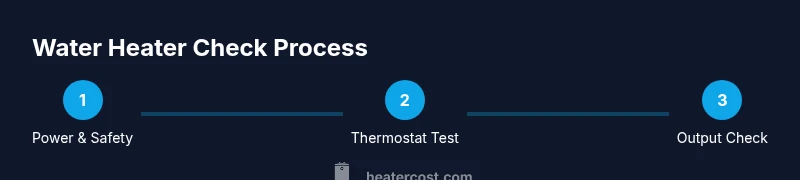
By the end of this guide you'll reliably determine if your water heater is working, plus how to test power, controls, and hot-water output. Gather a flashlight, a thermometer, a non-contact voltage tester, and towels. Follow the steps to diagnose common issues and decide whether a DIY fix is feasible or a pro is needed. According to Heater Cost, safety and documentation matter.
Why verifying your water heater matters
A functioning water heater is essential for daily comfort, especially in cold months. Homeowners who perform regular checks can catch safety issues early, prevent leaks, and avoid sudden outages. By understanding how your system heats water—including electrical, gas, and tank mechanics—you’ll be better prepared to diagnose problems and communicate clearly with technicians. The Heater Cost team notes that routine inspections can help identify minor issues before they become large repairs, saving time and money over the life of the unit. This guide focuses on practical checks you can perform safely in a typical home, using common tools and straightforward tests.
Safety first: power, gas, and venting basics
Safety is the cornerstone of any water heater inspection. Start by turning off power at the appropriate breaker or switch for electric heaters, or shutting off the gas supply valve for gas models. If you smell gas or hear unusual noises, evacuate and call emergency services. Ensure the area around the unit is clear and dry before you begin. Venting systems should be free of blockages and vents should be properly connected. These safety checks reduce the risk of shocks, fires, or gas leaks and set the stage for accurate testing.
Quick checks you can do before you start
Before you touch any components, gather your tools and read the manual for model-specific safety notes. Check visible pipes for moisture, corrosion, or damp spots. Confirm the temperature setting on the thermostat is reasonable (neither too high nor too low) and verify the power indicator is functioning if your model has LED indicators. Inspect the expansion tank (if present) for signs of wear or leakage. These preliminary checks help you interpret later test results more accurately and minimize unnecessary troubleshooting.
How to test electrical and thermostat functions
For electric water heaters, use a non-contact voltage tester to verify power at the thermostat and at the heating elements. If safe and you feel comfortable, remove the access panel and check wiring connections for signs of wear or loose connections. For thermostats, compare the set temperature with the actual outlet water temperature and notice any lag between setting changes and water temperature shifts. If you have gas, verify the pilot light and thermocouple if your model uses them. These tests determine if the electrical or control systems are the root cause of heating issues.
Inspecting the heater for leaks, corrosion, and venting
Leaks near the tank or fittings can indicate a failing seal or corroded components. Look for rust color around connections, rust on the tank, or puddles on the floor. Inspect drain valves and temperature/pressure relief valves for drips or seepage. For gas models, ensure the venting pipe is clear and properly attached; improper venting can lead to dangerous conditions and poor performance. Addressing leaks promptly can prevent water damage and further structural problems.
Assessing hot water output and recovery time
Turn on a hot-water faucet farthest from the heater and measure the temperature of the water after a few minutes. If it’s below the set point, adjust the thermostat slightly and recheck. Note how long it takes to return to a comfortable temperature after heavy use; a noticeably slow recovery can signal sediment buildup, aging elements, or a thermostat issue. Use a thermometer to record temperatures consistently for meaningful comparisons over time. These measurements help you quantify performance without guessing.
Troubleshooting common symptoms and safe fixes
No hot water or cold spots can result from multiple causes, including power loss, thermostat faults, or heating element problems. Sediment buildup, especially in older tanks, can insulate heat and reduce efficiency. If you identify a simple fix—like tightening a loose connection, resetting a tripped breaker, or adjusting the thermostat—document the action and test again. For persistent issues or if you’re unsure about how to proceed, plan for professional assessment. Proper documentation speeds up diagnosis and improves outcomes.
When to call a pro and how to document your inspection
If tests indicate electrical issues, persistent leaks, or gas concerns, contact a licensed technician. Prepare a brief report including model information, the symptoms observed, temperatures recorded, and steps you took. This record helps technicians diagnose faster and reduces the need for repeat visits. The Heater Cost team recommends keeping a simple inspection log so you can track performance over time and plan maintenance with confidence.
Tools & Materials
- Non-contact voltage tester(Verify power safely at switch/thermostat.)
- Multimeter (optional)(Check voltage if you’re comfortable and trained.)
- Flashlight(Illuminate access panels and connections.)
- Thermometer (or candy thermometer)(Measure hot water output accurately.)
- Bucket and towels(Contain drips and clean up spills.)
- Screwdriver set(Open access panels and fittings.)
- Wrench or pliers(Tighten or loosen fittings safely.)
- Gloves and eye protection(Personal safety during inspection.)
- Owner's manual(Model-specific safety and settings.)
Steps
Estimated time: 45-60 minutes
- 1
Power off and safety check
Turn off the power at the breaker or switch. For gas heaters, shut off the gas valve if you’re comfortable and authorized. Confirm the area around the unit is dry and free from clutter. This prevents shocks and accidental starts during inspection.
Tip: Always start with safety to prevent injuries. - 2
Inspect the exterior and venting
Look for leaks, corrosion, or rust on the tank and fittings. Confirm the venting duct is intact and clear of obstructions. Document any signs of wear before proceeding with tests.
Tip: Leaking fittings can be a warning sign of imminent failure. - 3
Check electrical power and controls
Use a non-contact tester to verify power at the thermostat and heating elements. If safe, remove the access panel and inspect wires for damage or loose connections. Do not touch energized parts; if any wiring looks damaged, stop and call a pro.
Tip: Loose connections are a common cause of intermittent heating. - 4
Test thermostat and temperature setting
Compare the thermostat setting with the actual water temperature after a few minutes of hot water use. If the water is much cooler or hotter than expected, adjust the setting gradually and re-test.
Tip: Small adjustments can have big effects—avoid large jumps. - 5
Assess hot-water output
Open a faucet far from the heater and measure the temperature after it runs steady. Note how quickly the water warms and if there is any fluctuation in temperature.
Tip: Document temperatures for future comparisons. - 6
Look for sediment and tank condition
If the tank is older or has mineral buildup, gently flush the drain valve according to manual guidance to observe any sediment release. Proceed only if you’re comfortable and safe to do so.
Tip: Sediment buildup reduces efficiency and can shorten heater life. - 7
Test safety relief valve and leaks
Carefully inspect the temperature/pressure relief valve for leaks or signs of wear. Do not force or tamper with the valve; consult a professional if you suspect issues.
Tip: TPR valve issues are a common safety risk that requires attention. - 8
Document and decide next steps
Record readings, settings, and any noises or odd odors. Decide whether a DIY fix is appropriate or if scheduling a professional inspection is best based on the findings.
Tip: A written record helps with follow-up and service calls. - 9
Recheck after adjustments
If you made any changes (thermostat or breaker reset), re-test hot water output and temperatures to confirm improvement. Leave the unit powered correctly if tests are successful.
Tip: Always verify results after any modification.
Got Questions?
What is the first sign my water heater isn't working?
The most common signs are no hot water or inconsistent temperatures. Start with power and thermostat checks, then inspect for leaks or unusual noises.
No hot water or unstable temps usually means check power and thermostat first, then look for leaks.
Can a water heater be working but producing lukewarm water?
Yes. Thermostat settings, sediment buildup, or aging components can prevent full heating even when the system runs. Adjusting the thermostat or flushing sediment may help.
Yes—thermostat or sediment can cause lukewarm water even if the heater runs.
How do I test if the thermostat is functioning?
Compare the set temperature with the water temperature after a few minutes of hot water use. If the water doesn't respond to adjustments, the thermostat or controls may be faulty.
If changing the setting doesn’t change the water temperature, the thermostat could be faulty.
Is it safe to drain a water heater to fix problems?
Draining should only be done if you’re familiar with the procedure and the unit is not under warranty. Improper draining can cause injury or tank damage. When in doubt, call a professional.
Draining is risky if you’re not sure how; it’s safer to call a pro.
When should I replace my water heater?
Replacement is advised when repeated repairs are needed or efficiency drops noticeably, not solely based on age. A professional can assess whether upgrading is more cost-effective.
If repairs happen often or efficiency drops, consider replacement.
Do I need a professional to inspect my water heater?
For gas models, complex electrical work, or persistent leaks, a licensed technician is recommended. Routine checks can be done safely by homeowners with proper precautions.
For gas and complicated issues, hire a professional; for basic checks, you can do them safely.
What are common causes of no hot water?
Common causes include power loss, thermostat issues, faulty heating elements, or sediment buildup. Start with power and thermostat, then inspect elements if accessible.
Power or thermostat problems are typical culprits; check those first.
How often should I perform a water heater check?
Aim for a quarterly quick check and a deeper annual inspection. Regular monitoring helps catch issues early and maintain efficiency.
Check roughly every few months, with a thorough yearly review.
The Essentials
- Verify power and thermostat before assuming a failure.
- Inspect for leaks and venting issues that signal deeper problems.
- Measure hot-water output and recovery to gauge performance.
- Document findings and know when to call a pro.