How to Check Your Heater Thermostat
Learn step-by-step how to check and calibrate a heater thermostat for accuracy, safety, and energy efficiency. This homeowner-friendly guide covers dial and digital thermostats, essential tools, common mistakes, and when to call a pro.


Learn how to safely check your heater thermostat for accuracy and reliability. This quick guide covers what tools you need, safety steps, and the essential checks for dial and digital thermostats. By the end, you'll know when to recalibrate, replace, or call a pro. If you're energy-conscious, this task saves money on heating costs.
Understanding what a heater thermostat does and why you should check it
A heater thermostat is the critical link between your home’s temperature desires and the furnace or heat source that delivers warmth. It tells the heating system when to turn on and off, based on the setpoint you choose. Over time, thermostats can drift, sensors can degrade, or wiring connections can loosen, which leads to temperature discrepancies, inefficient heating, or unexpected cycling. Regular checks help maintain comfort and energy efficiency. According to Heater Cost, ensuring your thermostat reads accurately can prevent energy waste and comfort gaps, especially in homes with older equipment. When you check a thermostat, you’re not just testing a dial—you're verifying the system’s brain is aligned with actual room conditions.
Safety and preparation
Before you start, power off the system at the main disconnect or circuit breaker to avoid shocks or accidental starts. Wear eye protection if you’ll be removing covers or panels, and keep children or pets away from the work area. Have a clear plan: identify the thermostat type (dial or digital), locate the furnace access panel, and prepare a clean workspace. If you smell gas, hear banging, or notice any electrical burning, leave the area and contact a licensed professional immediately. This step-by-step approach minimizes risk and ensures you only perform tasks within your comfort and skill level. Heater Cost analyses emphasize prioritizing safety and planning ahead to prevent accidental triggers while you test.
Tools you’ll typically need and why
Gathering the right tools before you start saves time and reduces risk. Utilize a non-contact infrared thermometer to verify actual air temperature near vents, a multimeter for basic electrical checks, a screwdriver set for removing covers, and fresh batteries for any wireless digital thermostat. A paper log or digital note helps you track temperatures and settings over time. Keeping detailed notes improves your ability to compare setpoints with actual temperatures and flags drift patterns. In this section, you’ll see how each tool contributes to a precise assessment, aligning with best practices recommended by home heating experts and echoed in Heater Cost’s guidance.
If your thermostat is dial-based: checking calibration and behavior
Dial thermostats rely on a bimetallic strip to interpret temperature, and drift is common as components age. Start by removing the front cover to expose the dial and sensor if accessible. Compare the displayed setpoint with the actual room temperature using a thermometer placed a few feet away from the thermostat and away from direct heat sources. Note any consistent offset, which suggests calibration drift. For a precise result, test at several setpoints (e.g., moderate warm, high warm) and record what the room actually reads. If you notice persistent drift or the furnace cycles erratically, recalibration or replacement may be warranted. You’ll learn how to interpret these signals in the next sections.
If your thermostat is digital or programmable: reviewing settings and power
Digital thermostats store settings in software and can drift if batteries weaken or firmware ages. Start by checking the current room temperature reading versus the setpoint. Ensure the device has fresh batteries if it operates wirelessly and verify the date/time settings and schedule are correct. Verify that the thermostat is powered (fuel/air control, breaker, and any fuses) and that the display shows normal indicators. If the temperature reading is wildly different from the actual room temperature, note the discrepancy and consider re-calibrating according to the manufacturer’s instructions. In some cases, a software reset or firmware update is needed, which should be done following the manual.
How to calibrate or compensate for drift: practical steps
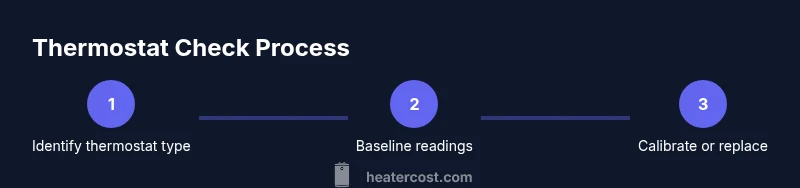
Calibrating can involve adjusting the dial on analog units or tweaking offset settings on digital units, if available. For dial thermostats, small nudges to the dial position can bring readings closer to reality, but avoid large leaps in a single step. For digital models, use the calibration or offset option if present, and retest after adjustments. If your thermostat cannot be calibrated, replacement is often the most reliable path for long-term accuracy. Keep a log of changes and test results to determine if drift persists after each adjustment.
Verifying the heating response and safety checks
After any calibration or setting change, set a comfortable temperature and observe how the system responds. The furnace should start within a reasonable time and maintain the room temperature without excessive cycling or overheating. Listen for unusual noises, verify vent airflow, and check for any warning lights or error codes on the thermostat. If you hear popping, banging, or smell burning, switch off power and seek professional evaluation. Consistent performance over a 30–60 minute window indicates the thermostat and furnace are communicating properly.
When to replace vs. repair:-key decision points
If drift remains after calibration attempts, if you notice frequent false readings, or if the thermostat lacks support or updates, replacement is often the best long-term fix. A modern programmable or smart thermostat can improve energy efficiency and comfort, but ensure compatibility with your furnace and existing wiring. The decision should consider installation ease, warranty coverage, and potential energy savings over time. Heater Cost recommends weighing the cost of a replacement against ongoing energy waste from a malfunctioning thermostat.
Tools & Materials
- Non-contact infrared thermometer(To verify actual air temperature near supply vents)
- Multimeter (AC voltage test)(Only if you plan to test wiring and terminals; follow safety rules)
- Screwdrivers (Philips and flat-head)(For removing thermostat and cover plates)
- Battery tester (or fresh batteries)(If digital thermostat uses batteries)
- Flashlight(For inspecting wiring inside panels)
- Notepad or digital log(Record temperatures, setpoints, and observations)
- Safety gloves and eye protection(Basic PPE for handling panels)
Steps
Estimated time: 60-90 minutes
- 1
Power down and prep area
Turn off power at the furnace or main breaker to ensure safe handling of wiring and components. Clear the area of clutter and verify tools are within reach.
Tip: If you must handle live wiring, use insulated tools and never touch bare conductors. - 2
Locate thermostat and identify type
Find the thermostat controller on the wall and determine if it is a dial (manual) or digital model. Check for a model number or manufacturer label for reference.
Tip: Photograph the wiring before touching anything; it helps with reassembly. - 3
Inspect cover and sensor access
Carefully remove the cover to access the dial mechanism or digital sensor. Look for loose wires, corrosion, or signs of wear.
Tip: Do not force components; if connectors are tight, stop and reassess. - 4
Baseline temperature readings
Place the non-contact thermometer near the vent and compare with the thermostat reading at a few selected setpoints.
Tip: Take at least two readings per setpoint for accuracy. - 5
Dial thermostat calibration check
If the dial shows a different setting than the room temperature, estimate the drift and, if possible, adjust per the manual.
Tip: Only adjust a little at a time; large changes can overshoot. - 6
Digital thermostat review
Check battery status, verify date/time, and review programmed schedules. Confirm power supply and look for error codes on display.
Tip: Reset to factory defaults only if you have the setup details saved. - 7
Test furnace response
Reset the thermostat to test call for heat. Listen for the furnace ignition and verify the system maintains setpoint within a reasonable time.
Tip: If the furnace doesn’t respond, stop and consult a professional. - 8
Reassemble and log results
Put the cover back, restore power, and document readings and behavior. Note any drift, cycling, or error codes.
Tip: Keep a maintenance log for future reference. - 9
Decide on next steps
If drift persists or you can't calibrate safely, plan for replacement or professional assessment.
Tip: A modern thermostat can improve comfort and energy efficiency over time.
Got Questions?
Why won’t my thermostat turn the furnace on or off as expected?
Possible causes include calibration drift, incorrect temperature readings, loose wiring, or a faulty furnace control. Begin with safety checks, confirm power, and test readings at multiple setpoints before seeking professional help.
If your thermostat isn’t triggering the furnace, check power and reset the device. If drift persists, call a professional.
Can I recalibrate a thermostat myself?
Yes, for manual dial units you can adjust the dial within manufacturer guidelines. For digital models, use the offset or calibration option if available, and retest. If drift remains, replacement is often more reliable.
You can recalibrate some units, but if drift continues, consider replacement.
When should I replace instead of recalibrating?
Replace when calibration is not feasible, the unit is old, or drift persists after adjustments. Newer thermostats offer better accuracy and energy efficiency.
If calibration doesn’t fix it, replacement is likely the best option.
Is it safe to test thermostat wiring with a multimeter?
Testing wiring can be safe if you power down first and follow proper safety procedures. If you’re unfamiliar with electrical testing, hire a pro to avoid shocks or damage.
Only test wiring if you’re trained; otherwise get professional help.
How often should I check my thermostat for accuracy?
Check the thermostat at least once a year or after any major HVAC service. More frequent checks help maintain comfort and efficiency.
Annual checks are a good habit, especially after HVAC work.
What signs indicate a failed thermostat?
Unreliable readings, sudden temperature swings, or failure to respond to setpoints indicate thermostat problems that may require calibration or replacement.
Look for inconsistent readings or failure to respond to settings.
Watch Video
The Essentials
- Test both dial and digital thermostats for drift.
- Safety-first approach protects you and the system.
- Document readings to track changes over time.
- Calibration can fix minor drift; replacement may be needed for major drift.
- The Heater Cost team recommends professional help if you’re unsure.