Heater When Power Goes Out: Safe Backup Heating Tips
Learn how to handle heating during a power outage with safety steps, backup options, and cost considerations from Heater Cost. This guide helps homeowners, renters, and managers stay warm safely when electricity fails.


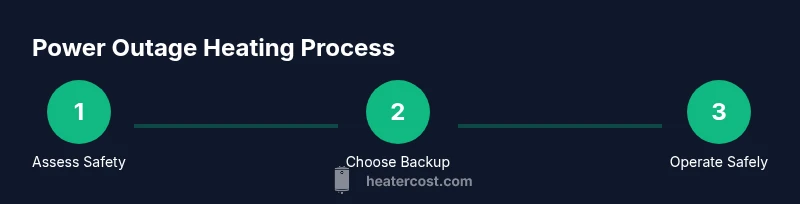
During a power outage, your home's primary heater may stop or operate inefficiently. This quick guide explains what to expect from electric versus gas systems, safety precautions to take, and practical backup options to stay warm without risking carbon monoxide or fire hazards. You’ll learn 3 core steps to protect your family and property.
What happens to heaters during a power outage
When the electricity grid goes down, most electric furnaces and heat pumps stop producing heat, even if your home is well insulated. Gas furnaces may continue to operate their burning process only if the thermostat signals the system, but many gas furnaces rely on electricity for ignition and controls. According to Heater Cost, the key risk during outages is not just cold temperatures but the potential for dangerous situations if backup heaters are misused. In this section we outline how common heating systems respond to power loss and what to expect in the first hours after an outage. Understanding these basics helps you select safe, reliable options and avoid accidental CO buildup or fire hazards. You’ll learn why a well-planned plan matters, not just hoping for a quick fix. It’s essential to know the difference between electric resistance heat, heat pumps, and gas furnaces so you can choose the safest route when outages strike.
Immediate safety steps to take when the power goes out
Safety comes first. As soon as you notice a power outage, verify all smoke and carbon monoxide detectors are functioning and have fresh batteries. If you rely on space heaters, keep them at least three feet away from flammable items and never leave them unattended. Do not use outdoor grills or charcoal burning devices indoors due to dangerous CO buildup. If you have a generator, operate it outdoors in a well-ventilated area, with power cords protected from moisture and away from doors and windows. Finally, inspect your vents and exhausts for blockages and ensure you can access a safe exit in case of an emergency. These steps reduce risk while you assess backup heating options.
Backup heating options you can rely on during an outage
Popular non-electric options include a wood-burning stove or fireplace if available and properly vented, a properly rated propane heater used with ventilation, or a wood-burning insert connected to a safe vent system. Portable propane or kerosene heaters require dedicated ventilation and strict adherence to manufacturer instructions. For renters or apartments with limited space, consider high-efficiency gas heaters that can operate on existing gas lines, but only if your home’s gas appliances are designed for non-electric ignition. Always have a CO detector nearby and a plan to evacuate if you smell gas or notice symptoms of CO exposure. If you must use a generator, ensure it is connected to non-sensitive circuits or used with a transfer switch installed by a licensed electrician.
Gas vs electric outage considerations
Electric heaters and heat pumps shut down during a power outage unless there is a backup power source. Gas furnaces may continue to operate, but ignition and controls often rely on electric components. A critical consideration is safety: never run fuel-burning devices in an enclosed space without adequate ventilation. A properly vented backup heater reduces CO risk, but you must monitor for fuel leaks and ensure combustion products are safely exhausted. In many homes, a well-planned backup strategy combines a generator with a gas backup heater to maintain comfort while avoiding unsafe conditions.
Staying warm safely without a traditional furnace
Layering clothing, using thermal blankets, and sealing drafts can dramatically improve comfort during outages without increasing risk. For short outages, a small, properly used space heater with automatic shut-off and stabilization features can provide supplemental warmth. If you rely on a wood or gas heater, keep a clear area around the unit and ensure your home has adequate ventilation. Hydration, warm beverages, and moving around to sustain circulation help, too. Develop a simple, printable plan for family members with clear steps to take when power is lost.
Cost considerations and practical backups
Planning ahead can reduce both discomfort and costs. Backup heat options vary in operating costs, maintenance needs, and safety requirements. Electric space heaters may have higher hourly energy costs, while gas backups can be cheaper if you already have a gas line and a vented unit. Heater Cost analysis shows that choosing a backup strategy that aligns with your home’s fuel type and insulation level often saves money during outages. Always factor in installation costs, maintenance, and potential fines or safety concerns when selecting a plan.
Maintenance and safety checks before winter
Pre-winter readiness matters. Test CO detectors, inspect chimneys and vents, and verify that backup heat sources are clean and operational. Schedule a professional inspection for gas lines and venting systems, and ensure your emergency power plan (generators, transfer switches) is up to date. Keep a basic emergency kit with flashlights, batteries, a battery-powered radio, and spare fuel stored safely according to local regulations. Regular practice drills with your household reduce panic during actual outages.
Quick-reference troubleshooting flowchart for outages
When the power goes out, use this simple flow to stay safe and warm:
- Check safety devices (CO detectors, smoke alarms).
- Assess available backup heat options and ventilation.
- If using a generator, ensure proper placement and a transfer switch.
- Implement energy-saving measures (layering, drafts sealed).
- If uncomfortable for an extended period, contact local utilities or a heating professional for guidance.
This flow helps you stay organized and reduces risky improvisation.
Planning for future outages: a practical checklist
Create a written outage plan that includes fuel inventory, safety equipment checks, and contact information for a licensed professional. Schedule annual safety reviews and test runs of backup equipment. Keep your plan accessible to all household members and post it near the thermostat or on the fridge. By thinking ahead, you minimize temperature swings, prevent unsafe setups, and protect your home during bad weather.
Tools & Materials
- Smoke and carbon monoxide detectors (with fresh batteries)(Install near sleeping areas and update detectors yearly)
- Flashlight with extra batteries(Keep within reach of bedrooms and common areas)
- Battery-powered radio(For weather alerts and safety information)
- Portable space heater with tip-over and overheat protection(Only if used with ventilation and clearances)
- Ventilated backup heater (propane or kerosene)(Must be vented; never use indoors without venting)
- Gas-powered generator with transfer switch(Outdoor-only use; professional installation recommended)
- Extension cords rated for outdoor use(Keep cords dry and away from doors or walkways)
- Fuel safely stored (propane, kerosene, generator fuel)(Store per local regulations and rotate supply)
- Thermal blankets and extra warm clothing(Low-cost insulation during outages)
- Draft-stoppers or weather-stripping(Seal doors and windows to reduce heat loss)
Steps
Estimated time: 30-90 minutes
- 1
Assess safety and readiness
Survey your home for immediate safety risks and confirm detectors are functioning. This check prevents panic and reduces risk during an outage.
Tip: If detectors fail, replace batteries immediately and avoid delaying safety checks. - 2
Identify available backup heat sources
List which backup options you can safely use in your space (gas, wood, electric). Ensure proper ventilation and clearances before activation.
Tip: Never run unvented combustion devices in living spaces. - 3
Activate ventilation and diagnostics
Open a window or vent slightly if using a vented heater; verify there are no gas leaks or unusual smells before continuing.
Tip: A CO detector should alert you if carbon monoxide levels rise. - 4
Set up and test backup heat equipment
Place heaters on stable surfaces and test safety features without leaving them unattended for long.
Tip: Do a quick test run to ensure proper operation well before a cold night. - 5
Use a generator safely
Place generator outdoors, away from doors/windows, and connect through a transfer switch as needed.
Tip: Never power appliances directly from a wall outlet via extension cord to avoid backfeeding. - 6
Conserve heat while maintaining safety
Seal drafts, wear layered clothing, and use blankets to minimize heat loss while backups are engaged.
Tip: Strategically close off unused rooms to focus heat. - 7
Monitor conditions and booster actions
Check CO detector readings and monitor for any signs of CO exposure or heat source overheating.
Tip: If symptoms occur (headache, dizziness), evacuate and call for help. - 8
Plan for restoration and cleanup
Once power returns, gradually reintroduce primary heating and have backup devices inspected if used.
Tip: Schedule maintenance if you used backup equipment during the outage.
Got Questions?
Can I run a space heater during a power outage?
Yes, but only if you use a heater designed for safe operation during outages, maintain proper ventilation, and keep it away from flammable materials. Never leave it unattended and follow the manufacturer’s safety guidelines.
Yes, you can use a space heater during an outage if you follow safety guidelines and keep it away from combustibles. Always supervise and follow the manual.
What is the safest backup heat option for renters?
The safest option for renters is often a vented portable heater used with careful ventilation and a clear space around it, or relying on existing gas appliances if approved by the landlord. Always check with the building management before using any fuel-burning device.
Renters should use vented heaters and ensure proper clearance and landlord approval before using any backup heat.
How can I protect my family from CO during outages?
Install and test CO detectors, ensure proper ventilation for any backup heater, and never consume fuel indoors without venting. Get emergency assistance if anyone shows symptoms of CO exposure.
Install CO detectors and ensure venting. If anyone feels dizzy or nauseated, evacuate and call for help.
Should I use a generator for heat during an outage?
Only if you have a transfer switch and operate the generator outside with adequate clearance. Do not run it indoors or in garages, which can cause dangerous CO buildup.
Generators must be used outside with a transfer switch to safely power backup heating.
What planning steps reduce outage discomfort long-term?
Create a written outage plan, inventory backup heat options, test equipment, and schedule annual safety checks. This reduces cold exposure and safety risks when outages occur.
Make a plan, test devices, and do annual safety checks to stay prepared.
Watch Video
The Essentials
- Identify your heating type and backup options before outages
- Prioritize safety: CO detectors, ventilation, and clearances
- Choose backups that match your fuel type and home layout
- Plan ahead: The Heater Cost team recommends an outage readiness plan and regular safety checks