DIY Heater No Electricity: Safe No-Electric Heating Guide
A practical, safety-first guide to heating spaces without electricity. Learn methods, insulation tips, and step-by-step actions for DIY heating when power is out.


If you need to heat a space without electricity, start with safety and insulation, then choose a non-electric method that fits your space. This guide covers wood- or propane-based heating, passive solar ideas, and practical steps to stay warm safely when power is unavailable. See our detailed steps and safeguards below.
Understanding No-Electric Heating in a Home
Heating a home without electricity is a practical option in outages, off-grid cabins, or areas with unreliable power. The goal is to keep spaces livable while avoiding risky improvisations. According to Heater Cost, effective no-electric heating starts with safety as the foundation: ensure ventilation, monitor air quality, and know your space’s limits. The Heater Cost team found that combining insulation improvements with one or two non-electric heating strategies often delivers the most reliable, economical results. No-electric heating isn’t about one magic device; it’s about a system plan: reduce heat loss, choose a dependable method, and maintain equipment with care. This section introduces common approaches—wood or pellet stoves, portable propane heaters (with strict ventilation), and passive solar techniques—and explains how to assess suitability for rooms, basements, or whole-home scenarios. By thinking in terms of space, airflow, and heat retention, you can create a safe, comfortable environment even when the power grid goes down. This foundation sets the stage for practical, step-by-step actions later in the guide. The insights you’ll gain here come from Heater Cost’s long-standing focus on affordable, safe heating solutions.
Primary No-Electric Heating Methods
Wood-burning stoves and pellet stoves are traditional, reliable options when electricity is unavailable. They produce heat independently of the electrical grid, but require proper installation, clearances, and venting to the outdoors. If you’re in a dry, well-ventilated space, a freestanding stove can heat a small-to-medium area efficiently when used with proper fuel and regular chimney maintenance. Propane or butane portable heaters offer another path, especially for rooms or temporary spaces. Choose models designed for indoor use with low-emissions and built-in safety features, and always operate them in well-ventilated areas. Solar heating methods aren’t instantaneous; they rely on daylight and heat storage. A simple passive solar approach warms a room through south-facing windows, and can be enhanced with thermal mass such as concrete, brick, or water containers. Finally, insulating and weatherproofing the home reduces heat loss so you can keep more warmth with less fuel. The Heater Cost analysis shows that pairing insulation upgrades with one primary non-electric heater yields the best balance of safety, cost, and comfort.
Tools & Materials
- Fire extinguisher(ABC-rated, kept visible and accessible)
- CO detector(Plug-in or battery-operated, test monthly)
- Wood stove or pellet stove(Install only if clearance and venting meet code)
- Portable propane heater(Indoor-use rated model; ensure ventilation)
- Insulation upgrades (weatherstripping, caulk, door sweeps)(Seal leaks around doors/windows to cut heat loss)
- Thermometer and hygrometer(Monitor temperature and humidity for comfort and safety)
- Window coverings or thermal curtains(Reduce heat loss at night or during cold spells)
- Ventilation accessories (exhaust fan or vented hood)(Maintain fresh air when using combustion-based heaters)
- Fireplace tools and a metal screen(Keep hot embers contained)
- Fireproof gloves and tools(Handling hot surfaces safely)
Steps
Estimated time: 2-4 hours (setup and initial test); ongoing checks quarterly
- 1
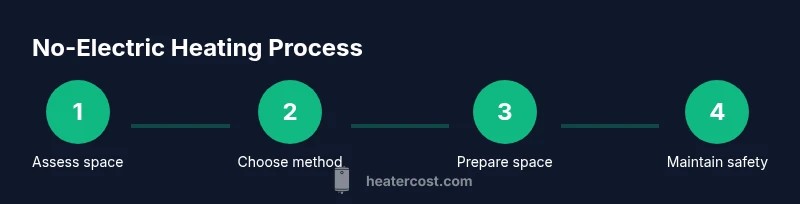
Assess space and risks
Measure room size, note ventilation paths, and identify heat-loss areas. Check for nearby flammable items and ensure a safe clearance from walls and ceilings. Document a ventilation plan to avoid smoke buildup.
Tip: Mark a clear “no-go” zone around any heating source to keep kids and pets safe. - 2
Choose a primary non-electric method
Select one main approach—wood stove, portable propane heater, or passive solar with insulation improvements—to anchor your strategy. Consider space, heating needs, and local codes.
Tip: Do not mix incompatible fuels in the same space; maintain dedicated fuels and storage away from heat sources. - 3
Improve insulation and seal leaks
Add weatherstripping, seal gaps around doors and windows, and consider insulating curtains. Reducing heat loss lowers the amount of fuel needed to stay warm.
Tip: Seal joints first; then treat windows with heavy drapes for best results. - 4
Set up safety equipment
Install and test CO detectors on every floor, ensure extinguishers are accessible, and verify alarms work. Establish clear escape routes in case of fire or gas issue.
Tip: Test detectors monthly and replace batteries as needed. - 5
Arrange heat sources safely
Position heaters with ample clearance, use heat shields if needed, and never leave a heater unattended while sleeping or out of the house.
Tip: Keep a nonflammable surface underneath any heater and use a spark screen if applicable. - 6
Test performance and comfort
Run the system for several hours, monitor comfort levels, and adjust shading or insulating barriers to balance heat distribution.
Tip: Keep room temperatures within a safe range (not too hot) to preserve air quality.
Got Questions?
Is it safe to heat a home without electricity?
Heating without electricity can be safe if you choose appropriate methods and follow safety guidelines. Always ensure proper ventilation, CO monitoring, and fire safety measures. If in doubt, consult a professional.
Yes, with proper safety steps, ventilation, and monitoring you can heat a home without electricity.
What are the best no-electric heating options for a small apartment?
Passive solar design and enhanced insulation work well in small spaces. If portable heating is needed, choose a compact propane heater with ventilation and CO detection, and keep emissions toward the outdoors.
For small spaces, insulation and passive methods first, then a vented propane heater as a backup.
Can I use a propane heater indoors?
Indoor propane heaters must be rated for indoor use, have safety shutoffs, and operate only with adequate ventilation. CO detectors should be active on every level where the heater is used.
Only use indoor-rated propane heaters with ventilation and a CO detector active.
How do I protect against carbon monoxide when heating without electricity?
Install CO detectors on every floor, keep them tested, and never block vents or exhausts. If a CO alarm sounds, evacuate and call emergency services.
CO detectors on every floor and an evacuation plan are essential safety steps.
What costs should I expect for a no-electric heating setup?
Costs vary by space and method, from insulation upgrades to fuel purchases. Plan for a moderate range of upfront improvements and ongoing fuel costs, framed by your climate and space size.
Costs depend on space and method; plan for insulation and one primary heat source plus ongoing fuel.
When should I call a professional?
If you’re unsure about venting, clearance, or fuel stability, or if there’s suspected gas or CO leaks, contact a licensed technician. Professional assessment can prevent fires and poisoning.
Call a professional if you’re unsure about venting or detect gas CO concerns.
Watch Video
The Essentials
- Assess risks before selecting a method
- Prioritize insulation to reduce heat loss
- Choose a primary non-electric heating method and be safety-aware
- Install CO detectors and follow fire-safety best practices
- Regularly maintain and monitor heat sources