Emergency Heater Repair: A Homeowner's Quick Guide
Learn how to handle emergency heater repair safely with step-by-step guidance, essential safety checks, and when to call a professional. Insights from Heater Cost Analysis, 2026.


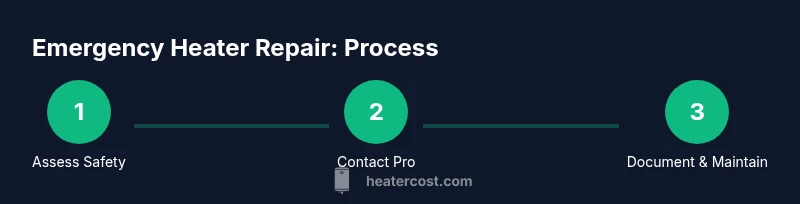
Emergency heater repair can be dangerous; act quickly but safely. If you notice gas odor, fire, or CO, evacuate and call emergency services. For non-urgent issues, shut off power and gas if safe, then diagnose basic problems like thermostat, blocked vents, or dirty filters. If unsure, contact a licensed technician.
Why emergency heater repair matters
Emergency heater failures can threaten safety within minutes. Ignoring warning signals can lead to carbon monoxide exposure, fire hazards, or a complete loss of heating during cold snaps. For homeowners, renters, and property managers, knowing how to respond quickly reduces risk and prevents costly damage. According to Heater Cost, safer outcomes begin with recognizing the difference between minor faults and true emergencies. The Heater Cost team found that rapid assessment and clear communication with a licensed technician often cut repair time and minimize downtime. This guide helps you assess urgency, perform safe checks, and decide when to call for professional help. It also covers how to document the issue for technicians and what to expect during a visit. The goal is to empower you to protect your home while avoiding dangerous DIY attempts. Remember: if you ever smell gas, hear a hissing sound near gas lines, or notice a persistent CO reading, evacuate immediately and contact emergency services. In many cases, proactive maintenance and documented histories also streamline a professional response and reduce overall costs, a point emphasized by the Heater Cost team.
Common emergency failure modes and what they mean
Emergency failures come in several forms, from immediate ignition problems to hidden structural faults. Gas valves can seize, burners can fail to ignite, or heat exchangers can crack, creating dangerous exhaust leaks. Electrical faults may trip safety circuits or disable control boards. A heat pump or furnace that cycles abnormally can signal a control issue or a blocked vent. The Heater Cost analysis notes that older units are more prone to these failures, particularly when maintenance has been skipped. Understanding these patterns helps you communicate symptoms clearly to a technician and prioritize urgent service when safety is at stake.
Safety first: immediate precautions to take
Your first priority is safety. If you detect gas, evacuate immediately and call emergency services. Do not attempt to light a burner or reset gas valves yourself. If you can do so safely, turn off electrical power to the unit at the main switch or circuit breaker and shut off the gas supply at the appliance valve if accessible. Ensure carbon monoxide detectors are operational and ventilate the area by opening doors and windows. Keep children and pets away from the space until a professional confirms the area is safe. These steps can prevent injuries and buy time for a proper assessment.
DIY checks you can perform safely
There are a few non-intrusive checks homeowners can perform to gather information for a technician. Verify the thermostat setting and confirm the thermostat is calling for heat. Replace or clean accessible air filters to improve airflow. Clear dust and debris from outdoor vents and ensure clearance around the unit is unobstructed. Inspect obvious external indicators (lights, error codes on the control board) and note any unusual smells or sounds. Do not open furnace panels, bypass safety switches, or touch electrical components. If your system uses a pilot light, do not attempt relighting if you’re unsure of the gas condition. These safe checks help you provide accurate details to the pro and may resolve minor issues without tools.
When to call a professional and what to expect
If basic checks don’t restore heat or you encounter any safety concerns, it’s time to call a licensed technician. A pro will perform a thorough safety assessment, test for carbon monoxide, inspect combustion exhaust and venting, verify ignition systems, and check controls and wiring. Expect a diagnostic visit to include a safety briefing, an itemized estimate, and explanations of recommended repairs or parts. Professional response is essential when fuel lines, gas safety, or CO risk are involved, and a documented service history can speed up the process. Planning for the visit—such as having model numbers and any previous service notes ready—helps reduce downtime.
Cost considerations and budgeting for emergency repairs
Costs for emergency heater repair vary widely based on system type (gas furnace, electric furnace, heat pump), the complexity of the fault, and whether emergency dispatch fees apply. Based on Heater Cost research, the total expense can swing with parts, labor, and whether replacement components are needed. It’s prudent to budget for a diagnostic fee if applicable and to request a clear written estimate before any work begins. Homeowners with extended warranties or service plans may have different cost structures. Discuss options with the technician and ask about preventive maintenance plans that could reduce future emergencies.
Maintenance to reduce emergencies and extend life
Preventive maintenance is the best defense against emergency failures. Schedule an annual professional inspection, replace air filters regularly, and keep exhaust vents clear. Clean components that are accessible and ensure the outdoor unit is free from debris. The Heater Cost team emphasizes that routine tune-ups often catch micro-faults before they escalate, improve efficiency, and prolong system life. Keeping a maintenance log helps you track service history and informs technicians during future visits.
Documentation and communication tips for your repair
Before the technician arrives, compile essential details: model and serial numbers, last service date, and any error codes or abnormal behavior observed. Create a concise symptom timeline (when heat was last produced, when it stopped, any sounds or smells). Share photos or videos if requested. After the service, request a written report detailing parts replaced, warranties, and maintenance recommendations. Clear documentation saves time, reduces repeat visits, and supports any insurance or warranty claims.
Quick actions you can take now (without risk)
If you’re unsure about safety, step back and contact a licensed professional. If it’s safe to do so, gather your model information, check that CO detectors are functioning, and prepare a brief symptom log for the technician. Maintain a safe distance from the unit and avoid attempting repairs that involve gas, wiring, or combustion components. Following these steps helps protect your home and ensures a faster, more reliable repair when help arrives. Remember: safety comes first, and professional guidance is essential for emergencies.
Tools & Materials
- non-contact voltage tester(To safely verify power is off before touching any wiring)
- digital multimeter(Optional for deeper electrical checks by a trained person)
- screwdriver set (Phillips and flat-head)(Used to open accessible panels if advised by a pro)
- adjustable wrench(For gas valve shutoffs and fittings)
- soapy water or gas leak detector spray(To identify leaks around connections)
- carbon monoxide detector (functional)(Ensure presence and functioning in living spaces)
- flashlight(Illuminates dark service areas)
- notebook and pen(Document symptoms, dates, and part numbers)
- manufacturer’s manual(Has model-specific safety instructions)
Steps
Estimated time: 1-2 hours
- 1
Assess safety and area
Before touching any equipment, ensure you can do so safely. If you smell gas or hear hissing, evacuate immediately and call emergency services. Confirm the area is ventilated and that CO detectors are functional.
Tip: If you’re unsure about gas presence, do not stay in the space; safety comes first. - 2
Power off the unit and gas supply if safe
Locate the main electrical disconnect for the heater and switch it off. If accessible, shut the gas valve to the appliance. Use your tester to confirm no voltage is present before proceeding with any checks.
Tip: Only shut off gas if you can do so safely without entering a restricted area. - 3
Check basic indicators
Verify thermostat is set correctly and calling for heat. Inspect the air filter and clear any blockages in supply vents. Look for obvious signs like blinking LEDs or error codes on the control panel.
Tip: Document any codes or lights for the technician; these details speed diagnostics. - 4
Inspect external and accessible components
Check around the furnace exterior for signs of damage, corrosion, or loose connections. If you can access safe panels per the manual, inspect obvious wiring paths only; do not remove safety shields.
Tip: Never touch exposed wiring beyond what the manual explicitly allows. - 5
Attempt conservative resets if advised
Only perform resets if explicitly instructed by the manual or a licensed technician. Avoid relighting pilots or resetting CO sensors beyond manufacturer guidance.
Tip: A misstep can re-trigger safety interlocks; when in doubt, pause and call a pro. - 6
Decide next steps and contact a professional
If the unit remains unsafe or troubleshooting is inconclusive, contact a licensed HVAC technician for a full safety assessment and diagnostic. Provide them with the symptom log and any codes or observations you collected.
Tip: Ask for written estimates and a clear scope of work before any service begins.
Got Questions?
What counts as an emergency heater repair?
Emergencies include gas leaks, strong gas odors, carbon monoxide presence, or any fault that creates fire or health risk. If you observe these signs, evacuate and contact emergency services. For non-urgent issues, you can safely diagnose minor faults and prepare details for a technician.
An emergency heater repair involves gas leaks, CO risk, or fire hazards. Evacuate and call emergency services, then seek professional help for non-urgent issues.
Can I fix a furnace issue myself?
Only perform safe, non-intrusive checks as described by your manual. Do not attempt to repair gas lines, ignition components, or exposed wiring. If in doubt, contact a licensed HVAC professional.
You should avoid DIY fixes on gas lines, ignition parts, or wiring. When in doubt, call a pro.
Should I turn off the furnace if it cycles on and off?
A cycling furnace may indicate a control or airflow problem. If the cycle is frequent or accompanied by odors, contact a professional to diagnose and prevent potential safety hazards.
If it keeps cycling, get a professional to inspect. Don’t ignore frequent cycling.
How long does an emergency repair take?
Duration varies with fault complexity and parts availability. A diagnostic visit can occur quickly, but substantial repairs may require scheduling, ordering parts, and a follow-up visit.
It varies. The technician will tell you the ETA after diagnosing the issue.
What can I do to reduce future emergencies?
Schedule regular annual maintenance, replace filters, keep vents clear, and address minor issues promptly. A proactive maintenance plan reduces the likelihood of costly emergency calls.
Regular maintenance helps prevent emergencies and keeps systems running smoothly.
Is it safe to use space heaters during a heater emergency?
Space heaters can introduce new fire hazards. Keep them away from flammable materials and never leave them unattended, especially when your primary system is in distress.
Space heaters can be dangerous if left unattended or near combustibles; use caution.
Watch Video
The Essentials
- Identify true emergencies quickly
- Prioritize safety before attempting DIY
- Know when to call a professional
- Maintenance reduces future emergencies