When to Change Heater Filter: A Practical Timing Guide
Learn when to change heater filter, how often to replace, and practical steps to keep your system efficient. Heater Cost provides timing guidance for homeowners to save energy and extend equipment life.


Change your heater filter on a practical schedule based on usage and environment. Start with a baseline of regular checks, then adjust by signs like visible dust, reduced airflow, or unusual noise. This quick answer outlines timing factors and why regular filter changes save energy and extend system life.
Why timing matters for heater filters
Your furnace or air handler relies on clean air flow to heat spaces efficiently. According to Heater Cost, a dirty or clogged filter reduces airflow, forces the system to work harder, and can raise energy bills while shortening equipment life. Regularly changing the filter helps maintain rated efficiency, keeps indoor air quality higher, and reduces unnecessary wear on blower motors. The timing of changes is not a one-size-fits-all rule—it depends on how you use your system and the environment around your home. In this section, we’ll break down why timing matters and how to estimate a practical interval for your situation.
Key takeaway: A clean filter supports peak efficiency and comfort, while a neglected filter can cascade into higher energy use and more frequent repairs.
How to determine the right change interval
A practical starting point is to inspect the filter regularly and replace it based on condition, not just time. In moderate-dust environments, you might check monthly and replace every one to three months. If you have pets, live in a dusty area, or run the system heavily during peak seasons, more frequent checks are wise. A simple rule of thumb is: if light cannot pass through the filter, or you notice buildup on the grille, replace it. Keep a small log with each change to tailor timing to your home. Heater Cost’s guidance emphasizes personalizing the interval to usage, air quality, and filter type.
Illustrative examples: households with multiple pets often benefit from 30- to 60-day checks; homes with clean air and minimal activity can stretch toward quarterly changes. Over time, you’ll build a cadence that matches your home’s needs.
Factors that influence change timing
Several factors determine how often you should change the heater filter:
- Environment: high dust or construction activity near your home accelerates dirt buildup.
- Pets and occupants: more hair and dander means faster soiling.
- System type and filter design: higher-efficiency or thicker filters may last longer, but not forever.
- Seasonality: heating season typically requires more frequent checks due to continuous operation.
- Filter quality: cheaper, thinner filters clog quicker than higher-quality filters.
By evaluating these factors, you’ll understand why one home needs monthly checks while another can wait longer. The goal is to maintain good airflow and avoid strain on the blower.
Tip: a simple label on the filter frame with the replacement date helps you track cadence.
Step-by-step: practical guide to replace the filter
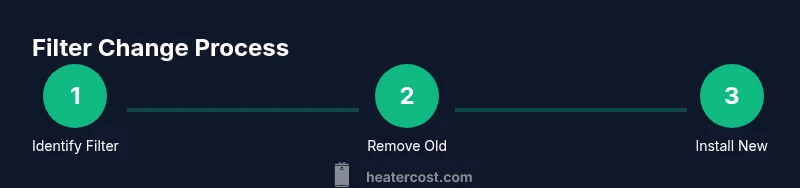
Replacing a heater filter is a straightforward task you can do with basic tools and care. Use the following steps as a reliable method to keep airflow steady and protect your equipment.
-
Power down and prep the area: turn off the furnace or set the thermostat to off, and remove any nearby clutter so you can access the filter safely. This reduces risk of injury or accidental startup.
-
Locate the filter compartment: most units have a panel or slot near the blower. If you’re unsure, check the user manual or the service panel—clear labeling makes this easier.
-
Remove old filter: slide it out carefully. Note the direction of airflow arrows printed on the frame so you install the new filter correctly.
-
Inspect the housing: wipe away dust and debris with a dry cloth; a dirty housing can bypass a new filter and reduce effectiveness.
-
Install the new filter: insert it with the airflow arrows pointing toward the blower. Ensure a snug fit without bending the frame.
-
Reassemble and restore power: replace the panel, turn the furnace back on, and confirm normal airflow and chamber noise levels.
-
Test performance: run the system for a short period and check for even heating and no unusual whistling or airflow drop. Keep a note of the date for the next cycle.
Tip: if you have a thick or high-MERV filter, you may need to reseal the filter frame to prevent air bypass.
Why this matters: proper installation ensures the new filter operates as intended, protecting your system and improving indoor air quality.
Common mistakes and how to avoid them
- Replacing with the wrong size or type: always verify filter size printed on the old filter and match it exactly.
- Installing backward: the airflow arrows must face the blower; a reversed filter restricts airflow and wastes energy.
- Skipping the housing cleaning: debris can bypass the filter and settle in the blower compartment.
- Not resetting the system after replacement: some systems benefit from a short test run to confirm airflow.
- Delaying replacement after signs of heavy dirt: delay can lead to reduced efficiency and equipment wear.
Avoid these mistakes by double-checking the size, orientation, and housing cleanliness before finishing the job. This prevents unnecessary strain and ensures your effort translates into real improvements in efficiency and comfort.
How to choose the right filter and recognize replacement signs
Choosing a filter isn’t just about size; consider filtration level, material, and your goals (air quality vs. cost). Common options range from basic to higher-efficiency designs. Signs that you should replace sooner include rising energy bills, visible dust on surfaces, and more frequent system cycling or cold spots.
Look for filters labeled with a MERV rating that suits your needs and your system’s capabilities. A higher MERV captures more particles but may restrict airflow if the system isn’t designed for it, so verify compatibility first. If you’re unsure, start with a mid-range option and observe performance over a few weeks. This practical approach balances air quality with system efficiency.
What Heater Cost recommends: regular inspection and record-keeping help you refine your cadence for your home’s specific conditions.
Seasonal cadence and long-term maintenance
A seasonal approach helps you stay consistent. At the start of heating season, perform a quick check and replace if necessary. Mid-season checks can catch mid-season buildup before it impacts performance. At the end of the season, remove and inspect the filter housing, wipe away dust, and prepare for the next cycle using your established cadence.
Regular maintenance beyond filter changes includes checking the seal on access panels, cleaning ducts if accessible, and scheduling professional service every few years to evaluate overall efficiency and safety. By adopting a seasonally aware schedule, you reduce energy waste and preserve system longevity.
Quick maintenance cadence by environment
- Low-dust, single-occupant homes: inspect every 2–4 months, replace as needed based on visibility and airflow.
- Moderate-dust homes with pets: inspect monthly, aim for replacement every 1–3 months.
- High-dust environments or renovations nearby: inspect every month, replace every 1–2 months.
Tracking these cadences in a simple calendar or note app makes the habit easy to sustain. The goal is predictable airflow and consistent comfort throughout the heating season.
Quick maintenance checklist
- Inspect the filter for dirt and debris.
- Check the housing for dust buildup.
- Confirm correct orientation and fit.
- Log the date of replacement.
- Test airflow and listen for unusual noises.
- Schedule the next check on your calendar.
This mini-checklist keeps you aligned with best practices and avoids costly inefficiencies.
Tools & Materials
- Replacement furnace filter (size matching unit)(Check size printed on old filter; ensure it matches the unit’s slot and MERV rating suitable for your system.)
- Gloves(Optional for handling dusty filters and protecting hands.)
- Clean cloth or vacuum with crevice tool(Use to wipe the housing and remove loose dust before inserting the new filter.)
- Screwdriver (flathead or Philips as needed)(Needed if access panel is secured with screws.)
- Mask (dust mask)(Optional for high-dust environments or sensitive occupants.)
Steps
Estimated time: 10-15 minutes
- 1
Power down and prep area
Turn off the furnace at the thermostat or power switch. Remove any nearby objects and lay a cloth to catch dust. This reduces the risk of debris falling into the blower during the change.
Tip: Taking a moment to clear the area prevents knock-ons and makes the job safer. - 2
Locate the filter compartment
Find the access panel for the filter—usually on the furnace cabinet or blower unit. If you’re unsure, consult the manual or look for a clearly labeled slot.
Tip: If you can’t locate it, search the unit’s front panel or service manual; the location is often indicated by arrows. - 3
Remove the old filter
Slide the old filter straight out without twisting. Note the airflow direction printed on the frame.
Tip: Keep the old filter nearby to compare size and orientation for the new one. - 4
Inspect the housing
Wipe away dust and debris from the housing and the slot. A dirty housing can bypass the new filter and reduce efficiency.
Tip: A clean housing ensures the new filter has a good seal. - 5
Install the new filter
Insert the new filter with arrows pointing toward the blower. Ensure it sits snugly without bending the frame.
Tip: Double-check that the filter is fully seated and not tilted. - 6
Reassemble and test
Replace the access panel, turn the furnace back on, and run a quick test cycle to confirm airflow and no unusual noises.
Tip: If airflow is weak or noisy, reseat the filter or recheck orientation. - 7
Document and schedule
Record the replacement date and plan the next check based on your cadence. This builds a reliable habit and clearer future timing.
Tip: Set a reminder in your calendar or a home app.
Got Questions?
How often should I change my furnace filter?
Most homes benefit from checking every month and replacing every 1–3 months depending on usage, pets, and dust. In high-traffic or dusty environments, more frequent changes are advised.
Most homes should check monthly and replace every 1–3 months depending on use and conditions.
Can I change a heater filter myself?
Yes. It’s a straightforward task: turn off power, access the filter, remove the old one, insert a new one with the correct orientation, and test the system.
Yes, you can do it yourself by turning off power, replacing the filter, and testing the system.
What happens if I don’t change the filter?
A dirty filter restricts airflow, reduces efficiency, raises energy use, and can shorten equipment life due to extra strain on the blower motor.
Neglecting the filter can cause poor airflow and higher energy costs, possibly shortening equipment life.
Are expensive filters worth it?
Higher-efficiency filters can improve air quality and may last longer, but ensure your system can accommodate them without sacrificing airflow.
Higher-efficiency filters can be beneficial if your system supports them without restricting airflow.
What size filter do I need?
Check the size printed on the old filter and match it exactly to the new one. If unsure, measure the height, width, and thickness and compare to available options.
Look at the old filter size or measure the slot to get an exact fit.
Is there a difference between furnace and air conditioner filters?
Most homes use similar filter types for both systems, but verify compatibility with your equipment. Some systems require specific thicknesses or MERV ratings.
Filters for furnace and AC usually are similar, but check your unit’s requirements.
Watch Video
The Essentials
- Replace filters on a personalized cadence.
- Use light and airflow signs to guide timing.
- Always install filters correctly with airflow arrows aligned.
- Keep a replacement log for future planning.
- Inspect housing and clean before inserting a new filter.