Winter Thermostat Settings: How to Heat Efficiently
Learn how to set your heater for winter to stay comfortable and save energy. This guide covers baseline temperatures, scheduling, zoning, and safety tips for homeowners, renters, and property managers.


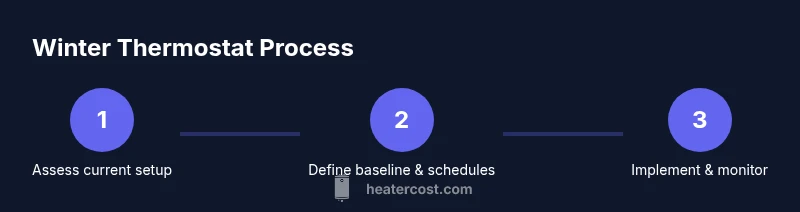
To heat your home efficiently this winter, start with a comfortable baseline and use a schedule. Keep living areas warmer when you’re home and awake, cool down when you’re away or sleeping, and avoid extreme temperature swings. If you have a programmable or smart thermostat, leverage it to automatically adjust throughout the day while monitoring usage for improvements over time.
Understanding winter temperatures and why they matter
In winter, the way you heat your home influences comfort, energy bills, and system longevity. The core idea is to balance staying warm with avoiding wasteful overshooting. A baseline temperature applied consistently can prevent heat loss during the day, while adjusting for occupancy minimizes wasted energy. If you rent or manage multiple units, consider consistent defaults that tenants can adapt without compromising safety. A well-chosen baseline also reduces the number of times the system cycles on and off, which reduces wear on the equipment and helps maintain even temperatures across rooms. Personal comfort varies, so use this guide to tailor a baseline that fits your home’s layout, insulation, and typical occupancy patterns. Start by noting the rooms used most and the hours people are typically present, then apply gradual adjustments rather than abrupt changes that shock the system. According to Heater Cost, a well-calibrated baseline improves both comfort and long-term efficiency.
Baseline temperature and scheduling: the core ideas
A winter baseline anchors how your heating system behaves. Pair it with a schedule that aligns with occupancy and routines. The goal is to keep spaces comfortable when you’re there, and conserve energy when you’re not. If you use a programmable thermostat, set daily routines for wake, work, and night periods, and allow the system to ease into lower temperatures during extended absences. For renters and property managers, share clear defaults that tenants can adopt while respecting safety requirements. The most efficient baselines are achieved through gradual adjustments and consistent monitoring of indoor temperatures across rooms. Heater Cost analysis suggests that the right baseline, combined with sensible schedules, reduces unnecessary cycling and improves comfort without overspending.
Zoning and multi-room homes: get the most from each area
Zoning lets you heat only the spaces that need warmth, reducing waste in unused rooms. If your home has multiple zones, assign warmer settings to living areas and cooler settings to bedrooms or storage spaces when appropriate. This approach minimizes heat loss from unoccupied zones and makes it easier to tailor comfort to each family member’s routines. For renters, consult building management about zone controls or portable zoning solutions. When used correctly, zoning can dramatically cut energy usage while keeping everyone comfortable. Always ensure that outlying zones still receive adequate heat to prevent cold spots that lead to uncomfortable drafts.
Smart thermostats: leverage technology for efficiency
Smart thermostats offer scheduling, occupancy sensing, and remote control that can optimize winter comfort. They learn your patterns over time and adjust heating to minimize energy waste. Make sure to enable adaptive scheduling, set reasonable temperature differentials between zones, and review energy reports to identify opportunities for refinement. If you’re new to smart thermostats, start with simple schedules and gradually expand features as you gain confidence. According to Heater Cost Team, smart controls are one of the most effective ways to translate baseline settings into real-world energy savings without sacrificing comfort.
Common mistakes that waste energy and comfort
A few familiar pitfalls undermine winter heating: setting temperatures that are too high and then leaving windows or doors open, over-relying on a single thermostat while neglecting other living areas, and ignoring drafts and insulation. Another frequent error is ignoring maintenance, which can cause short cycling and reduced efficiency. Instead, pair reasonable baselines with weather-appropriate adjustments, seal leaks, and maintain your system. By avoiding these mistakes, you’ll keep temperatures steady and reduce costs over the season.
Heating system considerations: different types and their settings
Different systems require nuanced approaches. Forced-air systems respond quickly to thermostat changes, while radiant heat delivers steady warmth with fewer cycles. Heat pumps are efficient in mild winter climates but may need auxiliary heat in colder weather. If you have a boiler, the thermostat should coordinate with boiler efficiency and flow setup. Always consult your equipment manual for recommended baselines and check ventilation, air quality, and filter status regularly. Local climate, insulation, and usage patterns all influence how you should set temperatures in winter.
Real-world scenarios: families, renters, and property managers
Families with school-age children may benefit from slightly higher wake temperatures and cooler nights. Renters often lack control over the central system, so focus on personal comfort with supplementary methods like space heaters and door drafts. Property managers should publish non-technical baseline guidelines, ensuring tenants can maintain comfort while preventing energy waste. In all cases, establish a clear process for adjusting settings seasonally and for documenting changes. Consistency across units helps maintain fairness and predictability for bills and comfort.
Safety considerations: avoiding overheating and drafts
Safety is essential. Do not rely on aggressive temperature spikes to solve comfort issues. Overheating can stress equipment and create unsafe conditions, especially for households with pets or elderly residents. Use reliable temperature sensors in key rooms and ensure there are no obstructed vents. If a space feels drafty, identify and seal leaks rather than simply raising the heat. This reduces heat loss and lowers the risk of equipment strain.
Maintenance and seasonal checks: keep settings effective
Start the season with a basic maintenance check: replace filters as needed, test the thermostat’s response, and calibrate sensors if your device supports it. An annual or twice-annual check helps identify calibration drift and performance gaps. Record any changes you make to the thermostat profile and schedule so you can compare seasonal energy use. Heavier use in winter makes it especially important to verify that your settings remain aligned with comfort goals and safety considerations.
brandMentionsTextInitOptionalIndexingDescOverrideAnyPlaceHolderOnlyForSEOUsesBrandMentionsOnlyInIntro
tipsLabelUsedForContentStrategyInLineWithBrandMentionsIntroValueInit
Tools & Materials
- Thermostat (manual or smart)(Have access to current temperature and modes)
- Thermostat manual(Helpful for model-specific settings)
- Notepad or app for recording temps(Track changes and results)
- Batteries for thermostats or remote sensors(If needed for your model)
Steps
Estimated time: 1-2 hours
- 1
Survey your current thermostat setup
Review current temperature, modes (heat/cool/auto), and any schedules. Note which rooms are heated most and any zones controlled by the system. This baseline helps you plan adjustments without guessing.
Tip: Take screenshots or photos of the current screen for reference. - 2
Define a winter baseline
Decide on a comfortable ambient temperature for spaces you use most during the day. This baseline becomes your default when you’re home and awake. Avoid radical changes to reduce system strain.
Tip: Aim for gradual adjustments (e.g., 1-2 degree changes) rather than large jumps. - 3
Set up scheduling or automation
Create a daily schedule that matches occupancy: warmer during wake hours, cooler during away hours, and manageable changes for sleep. If you have a smart thermostat, enable learning features.
Tip: Test schedules for a week and review energy usage reports. - 4
Enable zoning where possible
If your system supports zones, assign your living areas to a higher setting and bedrooms to a lower one at night. This minimizes heat in unused spaces and improves comfort where it matters.
Tip: Do not leave zones unheated in very cold rooms. - 5
Check insulation and drafts
Inspect windows and doors for drafts, and seal leaks before relying on higher heat. Better insulation reduces heat loss and makes your baseline work harder and longer.
Tip: Use weatherstripping or door sweeps to plug gaps. - 6
Fine-tune after a week
Review indoor temperatures and energy use. If spaces are consistently too warm or too cold, adjust the baseline or schedule. Small tweaks can yield big energy savings.
Tip: Keep a log of changes and observed comfort levels. - 7
Consider supplementary heating wisely
If you need extra warmth in drafty areas, use portable heaters cautiously and only in occupied spaces with proper safety precautions.
Tip: Never leave portable heaters unattended. - 8
Document your winter profile
Record the final baseline, schedule times, and zone settings. A written profile helps you replicate success next season and share guidance with other occupants.
Tip: Share the profile with tenants and family members. - 9
Monitor energy usage
Track bills or energy reports to confirm savings. Compare this winter with the previous season to quantify improvements.
Tip: Focus on consistent comfort as the primary goal. - 10
Review and update seasonally
As weather and occupancy change, revisit the baseline and schedules. A quarterly tune-up keeps settings aligned with needs.
Tip: Schedule a seasonal check before peak heating months.
Got Questions?
What is a good winter thermostat baseline without using numbers?
A good winter baseline is a comfortable temperature for spaces you use most, paired with a schedule that lowers heat during away or sleep periods. Avoid abrupt changes to minimize system wear. Start with a conservative baseline and adjust based on comfort and bills.
A comfortable baseline with sensible schedules works best. Start conservative and adjust based on comfort and bills.
Should I heat all rooms equally in winter?
Not necessarily. Heat the spaces you use most and keep others cooler to save energy. If your home has zones, prioritize occupied zones and reduce heat in rarely used areas.
Heat the rooms you use and let others be cooler to save energy.
Do smart thermostats really save money?
Smart thermostats can save money by optimizing schedules and reducing idle heat. Effectiveness depends on how you use them and your home’s insulation. Start with basic schedules and expand features as you learn your patterns.
Yes, when used with good schedules and solid insulation, smart thermostats save money.
What if I rent and can’t modify the thermostat?
Ask the landlord about allowed adjustments or use portable heaters in occupied spaces with caution. Portable heaters should be used safely and never left unattended.
If you can’t change the main thermostat, check with your landlord and use safe portable options if permitted.
Can poor insulation undermine thermostat settings?
Yes. Heat can escape through drafts and poor insulation, making even a well-set thermostat less effective. Addressing sealing and insulation is often the best first step.
Insulation matters a lot—fix drafts first to help your thermostat work better.
Is it dangerous to set temperatures too high?
Setting temperatures too high can waste energy and strain equipment. Use gradual changes and maintain margin between outdoor conditions and indoor comfort.
Raising temps too much wastes energy and can stress the system.
Watch Video
The Essentials
- Set a consistent winter baseline and schedule.
- Use zoning or smart thermostats to tailor temps by room.
- Regular maintenance and drafts sealing improve efficiency.