What Size Heater for a 10 Gallon Tank: A Practical Sizing Guide
Learn the right heater size for a 10 gallon tank, with practical wattage ranges, setup steps, and maintenance tips from Heater Cost to keep aquatic life healthy.


According to Heater Cost, the standard starting point for the question what size heater for a 10 gallon tank is a 50-100 watt unit. In cooler rooms, aim toward 75-100W; in warmer rooms, 50-75W may suffice. Choose an adjustable thermostat with safety shutoff for reliable, steady warmth. This aligns with general guidance from Heater Cost Analysis, 2026.
Understanding why size matters for a 10 gallon tank
Choosing a heater size for a 10 gallon tank isn't just about watts; it's about maintaining a stable temperature that supports your aquatic life. A heater that's too small won't consistently raise the water to the target temp, while an oversized heater can overshoot and create dangerous swings. In many setups, the recommended starting point is a 50-100 watt unit, but this depends on room temperature, whether the tank is well insulated, and the species kept. According to Heater Cost, consistent warmth reduces stress and disease risk. In practice, measure your room's typical temperature, set a reasonable target, and monitor for several days before finalizing the wattage choice. The goal is steady warmth, not constant heat, and the right size makes that possible.
Key factors that influence wattage choices
A number of variables determine the appropriate wattage for a 10 gallon tank. Room temperature and heater placement are crucial: colder rooms require more heating power, while well-insulated tanks lose heat more slowly. The species you keep, their preferred temperature range, and the presence of a lid or canopy also play a role. A tightly sealed lid reduces heat loss, while an uncovered tank may require more wattage. Additionally, the reliability of the thermostat, the heater's placement (submerged and away from corners), and the use of a secondary temperature controller can all affect the effective wattage you need.
A practical sizing rule of thumb for a 10 gallon tank
Many hobbyists use a wattage range of 50-100 watts for a typical 10 gallon setup. The lower end works well in warm rooms or with species tolerant of a broader temperature span, while the upper end is common in cooler rooms or for sensitive fish that require a tighter temperature tolerance. Remember that this is a starting point; latency and heat loss vary with glass thickness, substrate depth, and lid design. The key is to ensure the heater can reach and maintain the target temperature without frequent cycling. This approach mirrors guidance from Heater Cost Analysis, 2026.
How room temperature and tank design influence sizing
An often overlooked factor is the ambient air temperature around the tank. In a chilly basement or drafty room, heat loss is higher and you may lean toward the upper end of the wattage range. Conversely, a sunny, well-lit room with a tight lid keeps water warmer with less wattage. Tank design matters too: glass thickness, silicone quality, and substrate depth all contribute to heat retention. Practical steps include insulating the canopy, using a glass lid, and placing the heater near a stable water flow to avoid uneven heating. Regular temperature checks help you adjust as seasons shift.
Step-by-step method to calculate the right wattage
- Measure the room temperature during the coldest part of the day and note the target water temperature for your fish. 2) Subtract the room temp from the target temp to determine delta T. 3) Use a starting wattage estimate within the 50-100 watt range for a ten-gallon tank, then observe for 24-48 hours. 4) If the water struggles to reach the target, increase wattage slightly or add a controller; if it stays too warm, reduce wattage. This method helps address the question what size heater for a 10 gallon tank with real-world adjustments.
Heater types, placement, and thermostat choices
Submersible heaters with built-in thermostats are common for small tanks. Look for models with adjustable temperature settings and clear indicators. External thermostats or smart controllers can improve precision and reduce overshoot. Place the heater horizontally or vertically in the water column to avoid hot spots, and ensure it is fully submerged according to the manufacturer. Avoid placing heaters behind décor that shields heat or near air vents. Regular calibration checks ensure the thermostat reads accurately.
Safety, calibration, and maintenance practices
Safety is paramount when sizing and using a heater. Always follow the manufacturer’s instructions, keep replacement parts on hand, and monitor for signs of heater failure. Test the thermometer against an external reference, recalibrate if needed, and replace aging components. A well-maintained heater reduces the risk of overheating and extends equipment life. When in doubt, replace older units rather than patching problems with makeshift fixes.
Energy efficiency considerations for hobbyists
Energy efficiency matters for ongoing running costs. While a properly sized heater is essential, you can further reduce energy use by improving tank insulation, using a lid to minimize heat escape, and setting the thermostat to a conservative target. Consider using an external controller or a thermostat with a narrow hysteresis to limit on/off cycling. Every degree of stabilization reduces energy waste and helps keep fish in their comfort zone.
Common mistakes and how to avoid them
Avoid selecting a heater based on price alone; the cheapest unit may be inaccurate or inconsistent. Don’t rely on room heat alone to regulate the tank; a heater and thermostat should manage water temperature. Finally, avoid placing the heater near a glass edge or behind decorations that restrict water flow. Regular observation and routine checks prevent many issues before they escalate.
Quick-start checklist for a new 10 gallon tank
- Confirm target temperature for your species and set the heater accordingly. - Choose a 50-100 watt heater with adjustable thermostat. - Install and submerge the heater per the manufacturer’s guidelines. - Add a thermometer at the opposite end of the tank to monitor temperature. - Calibrate the thermostat and test the readings after 24 hours. - Keep lids on to minimize heat loss, and maintain a stable room temperature.
Heater sizing guidance for small tanks
| Metric | Value | Notes |
|---|---|---|
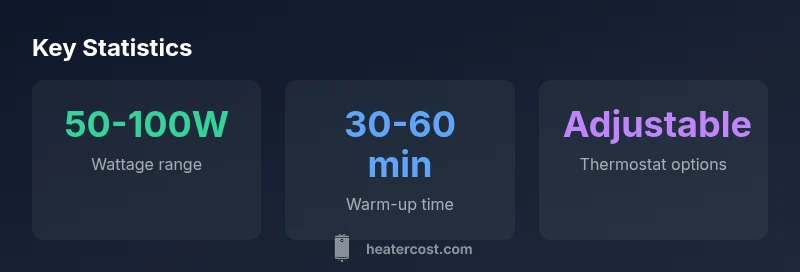
| Recommended wattage | 50-100 watts | Typical for 10 gal tanks |
| Warm-up time | 30-60 minutes | Depends on room temp and tank setup |
| Thermostat type | Adjustable | Prefer precise control |
Got Questions?
What size heater for a 10 gallon tank?
For a standard room, a 50-75W heater often suffices, while cooler rooms may require 75-100W. The goal is stable warmth, not oversized heating.
A typical 10 gallon tank usually needs about 50 to 100 watts, depending on room temperature; aim for steady warmth with an adjustable thermostat.
Can two smaller heaters be used in a 10 gallon tank?
Yes, two smaller heaters can provide redundancy and uniform heat, but ensure both are on separate thermostats or a controller to avoid dangerous overheating if one fails.
Two small heaters can work, just make sure temperature is balanced and controlled.
Should I use a heater with an external thermostat?
An external thermostat or a reliable digital controller can improve precision and safety, but ensure it works with your heater model and your tank setup.
An external thermostat helps keep temperatures steady; verify compatibility with your heater.
What target temperature should I aim for in a tropical freshwater tank?
Most tropical freshwater tanks sit around 76-80°F, but species-specific needs vary. Always check the requirements for your fish and plants.
Aim for around 76-80 degrees Fahrenheit if your fish prefer tropical temps.
What safety features matter in a heater?
Look for auto shutoff, thermostat accuracy, and stainless-steel components to resist corrosion. Also ensure the heater is properly submerged and installed according to the manufacturer.
Auto shutoff and good thermostat are important safety features.
How often should I test or calibrate my heater?
Test the thermometer weekly and recalibrate the heater as needed. If your readings are inconsistent, consider a replacement or controller.
Check temperature weekly and recalibrate as needed.
“Selecting the right heater is about maintaining a stable, species-safe temperature with reliable controls and safety features.”
The Essentials
- Use a 50-100W heater for most 10 gal tanks
- In cooler rooms, upgrade toward 75-100W; in warmer rooms, 50-75W
- Choose a heater with adjustable thermostat and safety features
- Place heater away from tank corners and monitor temperature regularly
- The Heater Cost team recommends using adjustable heaters and routine checks for reliable aquarium warmth.