How to Prevent a Water Heater Explosion: Essential Safety Guide
Learn practical, maintenance-focused steps to prevent a water heater explosion. This guide covers valves, flushing, venting, expansion tanks, and professional checks. Heater Cost provides a comprehensive plan for homeowners and renters in 2026.


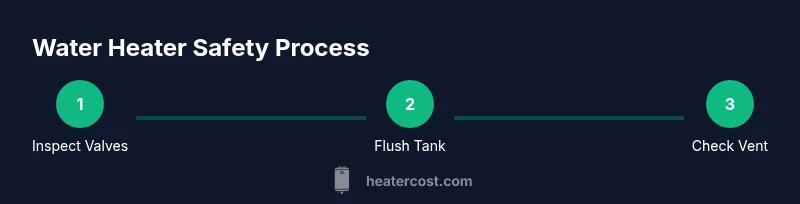
According to Heater Cost, this step-by-step guide helps homeowners prevent a water heater explosion through proactive maintenance and safe operation. You’ll learn to inspect the pressure relief valve, flush the tank, test the thermostat and burner, check venting and gas lines, and determine whether an expansion tank is needed. Essential tools and a clear safety plan are included.
Why explosions happen and why prevention matters
Water heaters operate under pressure. When safety devices fail or maintenance is neglected, pressure can build to dangerous levels, risking rupture, scalding, or worse. Heater Cost Analysis, 2026 shows that failures often stem from faulty relief valves, corroded fittings, or sediment buildup that restricts proper venting and heat transfer. Understanding how these systems interact—pressure, temperature, and venting—helps homeowners take preventive action before a minor fault becomes catastrophic. Regular attention to your water heater is a smart investment in home safety and energy efficiency, protecting occupants and property alike.
Core safety devices you must understand
Your water heater’s safety relies on several components working in concert. The temperature-and-pressure (T&P) relief valve is designed to release excess pressure, preventing an overpressure event. An expansion tank accommodates thermal expansion, reducing backpressure on the T&P valve. Proper venting ensures combustion byproducts are expelled, especially on gas-powered units. A reliable gas supply or electrical connection is essential for safe operation. Familiarize yourself with where these parts live, how they look when functioning, and signs of wear such as leaks, corrosion, or damp insulation. A proactive checkup, even if nothing seems wrong, lowers the risk of explosion-causing failures.
Expansion tanks: what they do and when you need one
Expansion tanks absorb water volume as it expands during heating. Without an expansion tank, trapped water can push pressure past the relief valve or stress piping. Not all homes require expansion tanks; systems with modern backflow prevention or correctly configured indirect systems may be exempt. However, in many single-family homes with closed plumbing, installing or replacing an expansion tank is a prudent, low-cost safety step. If you notice frequent T&P valve activations or hear banging sounds when the heater heats, it may indicate expansion-related pressure issues that deserve evaluation.
Pressure relief valves: how they work and how to test
The T&P valve is a critical safeguard. It should reset after releasing pressure and not drip constantly. Test the valve monthly by gently lifting the lever to ensure water releases freely and re-seats properly. If you hear hammering noises, experience slow draining, or see corrosion around the valve, replace it promptly. Never block or bypass this valve; doing so can lead to a catastrophic explosion. Remember: a properly functioning valve is your last line of defense.
Regular maintenance routine to minimize risk
Establish a routine that covers monthly quick checks, quarterly system reviews, and annual service. Monthly actions include a quick inspection of relief valves and piping for leaks; quarterly tasks can involve a full drain-and-flush of the tank to remove sediment; annual maintenance should include professional inspection, vent clearance checks, and confirming expansion-tank status. Consistency matters: a predictable schedule lowers the chance of undetected faults accumulating over time. A well-documented calendar helps you track dates and avoid gaps in safety maintenance.
Safe flushing and sediment control
Sediment buildup can insulate the bottom of the tank, causing overheating and increased pressure. Turn off power or gas, close the cold-water supply, connect a hose to the drain valve, and drain a portion of the tank to flush out sediment. Refill slowly to avoid shock, then restore power and re-check temperature settings. This routine reduces inefficiencies, extends heater life, and minimizes pressure-related risks that could culminate in a dangerous release.
Gas line, venting, and combustion safety
Gas-powered units depend on clean venting and a stable gas supply. Inspect vent pipes for blockages, ensure clear combustion air, and check for a consistent flame color. If you smell gas, evacuate immediately and call the utility or emergency services. A poorly vented system can force dangerous gases back into living spaces, raising explosion risk. Regular professional checks help catch issues that aren’t obvious to homeowners.
Electrical and water connections: shutoffs and backups
Know where the main shutoffs are for both water and electrical service. If you notice scorching, buzzing sounds, or discolored wiring near electrical components, stop and call a licensed technician. Loose connections and corroded terminals can cause overheating and unsafe operation. Keep a clear path to shutoffs and never work on live electrical parts without proper training.
When to call a pro and what to expect
Certain tasks, like diagnosing persistent leaks, checking vent integrity, or replacing a faulty T&P valve, require licensed professionals. Expect a home safety visit to include a pressure test, valve inspection, vent assessment, and a brief safety plan tailored to your unit and local codes. Professionals can also advise on whether an expansion tank upgrade is warranted and provide an estimate for any recommended replacements.
Rental properties and multi-unit considerations
In rental properties or multi-unit buildings, safety responsibilities are shared. Establish a maintenance schedule with building management, and ensure all units observe the same testing cadence. Regular, documented checks reduce liability and improve resident safety. A simple owner-tenant safety agreement helps clarify who handles what and when.
Budgeting for maintenance and upgrades
While some preventive steps are low-cost, others—like replacing an aging expansion tank or upgrading venting—may require investment. Consider setting aside an annual safety fund to cover inspections, valve replacements, and essential upgrades. Prioritize proactive maintenance over emergency fixes, because prevention is typically far more economical and safer for households.
Quick-start printable checklist
Print this concise checklist and keep it with your heater for monthly, quarterly, and annual actions. It covers safety valve tests, expansion-tank checks, sediment flushing, vent inspection, and professional appointment reminders. Keeping a visible, easy-to-follow list helps ensure you don’t miss critical safety tasks and can document completed maintenance for landlords or property managers.
Tools & Materials
- Safety gear (gloves and goggles)(Heat-resistant gloves are recommended; wear eye protection during flushing and valve testing.)
- Flat-head and adjustable screwdrivers(Used for panel access and minor adjustments.)
- Wrench set (adjustable and fixed)(For fittings, drains, and supply lines.)
- Bucket and wide-mouth container(Catch water during drainage and flushing.)
- Garden hose (5–10 ft)(Attach to drain valve for flushing and sediment removal.)
- Flashlight or headlamp(Inspect dark corners, flammable areas, and valve locations.)
- Multimeter (optional but helpful)(Check electrical components and confirm power status.)
- Replacement T&P valve (if needed)(Keep on hand for quick replacement if tested valve shows wear.)
- Expansion tank (replacement/upgrade)(Install if your system lacks one or if it’s waterlogged.)
Steps
Estimated time: 60-90 minutes
- 1
Shut off power, gas, and water supply
Begin by turning off the electrical power at the breaker for an electric heater or shutting off the gas supply for a gas heater. Close the cold-water supply valve to stop incoming water. This makes the system safe to inspect and drain without water flow.
Tip: Verify power is off with a non-contact tester before touching electrical components. - 2
Test and inspect the T&P valve
Carefully lift the valve lever to ensure water releases and then stops when you depress it. If water doesn’t flow easily or continues to drip after reseating, note a potential fault and plan for replacement.
Tip: Do not force the valve; if resistance is felt, wait and reattempt after cooling. - 3
Drain and flush the tank
Attach a hose to the drain valve, open the valve slowly, and drain several gallons to remove sediment. Close the drain, refill with clean water, and run through a full heating cycle to flush remaining sediment.
Tip: Do this gradually to avoid water hammer; keep the drain area clear. - 4
Check expansion tank status
Inspect the expansion tank for signs of corrosion or waterlogging (tap near the tank should feel light when tapped). If it seems full of water, the tank may need replacement or recharging.
Tip: If you’re unsure, plan a professional assessment rather than risking a DIY pressure issue. - 5
Inspect venting and combustion air (gas units)
Examine vent pipes for blockages, ensure clean air supply, and look for rust or soot around the burner area. Poor venting can cause dangerous gas buildup and pressure changes.
Tip: Never vent or reseal a gas unit without confirming proper venting channels. - 6
Reconnect and restore power/water
Close the drain valve, remove the hose, re-fill the tank, and turn power or gas back on. Allow the system to reach the set temperature and check for leaks around fittings and the T&P valve.
Tip: Listen for unusual noises; this can indicate trapped air or misalignment. - 7
Document and schedule follow-up
Record the date of maintenance and any parts replaced. Schedule an annual check with a licensed professional or the building supervisor for ongoing safety compliance.
Tip: Keep a maintenance log accessible for property managers and renters. - 8
Evaluate the need for enhancements
If your system lacks an expansion tank or shows repeated valve activations, plan upgrades to reduce pressure variability and improve safety.
Tip: Upgrades now can prevent expensive emergencies later.
Got Questions?
What causes water heater explosions?
Explosions typically result from excessive pressure, a faulty or blocked pressure-relief valve, improper venting, or sediment buildup that traps heat. Regular inspection and maintenance reduce these risks.
Explosions come from pressure getting too high because safety valves or vents aren’t working properly. Regular checks help prevent it.
Do I need an expansion tank on every system?
Not every system requires an expansion tank, but many closed plumbing setups benefit from one to absorb thermal expansion. A professional assessment will confirm suitability.
Not always, but many homes should have one. A pro can tell you if yours needs it.
How often should I flush my water heater?
Flushing once a year is common, though hard-water areas may benefit from more frequent flushing. Regular flushing helps prevent sediment buildup and pressure issues.
Most homes flush yearly, but if you have hard water, consider more frequent flushing.
Can I perform maintenance myself or hire a pro?
Basic maintenance like valve checks and flushing can be DIY if you’re comfortable with safety precautions. More complex tasks—pressure tests and venting—are best handled by a licensed professional.
You can do simple checks, but for valve replacements or vent issues, hire a pro.
What should I do if I smell gas?
If you smell gas, evacuate the area immediately and call your gas company or emergency services. Do not operate electrical switches in the area.
If you smell gas, get to safety first and call for help right away.
Is a leaking expansion tank dangerous?
Yes. A leaking or waterlogged expansion tank indicates a failed safety component and should be replaced promptly to protect against pressure-related failures.
A leak means you likely need a replacement part to keep pressure safe.
Watch Video
The Essentials
- Inspect safety devices regularly
- Flush sediment annually to reduce pressure
- Upgrade expansion tank when needed
- Consult a pro for complex issues or replacements
- Document maintenance to track safety improvements