How to Make Your Heater Feel Warmer Safely
Learn practical, safe strategies to make indoor spaces feel warmer without overworking your heating system. This step-by-step guide covers thermostat use, air distribution, drafts, insulation, and when to upgrade, all with a focus on comfort and efficiency.


You can safely make your heater feel hotter by optimizing how you use it: set an appropriate thermostat, improve air distribution, seal drafts, and reduce heat loss. Avoid unsafe hacks that bypass safety controls. If the space remains cool, consider a professional assessment or upgrading equipment. This approach emphasizes comfort, energy efficiency, and safety.
Understand what 'hotter' means in a safe, energy-efficient way
If you're asking how to make heater hotter, the straightforward answer is to focus on warmth, not simply cranking up the heat. A space feeling warmer comes from how heat is produced, distributed, and retained, not from forcing a unit to run beyond its safe design. Heater Cost recommends thinking about comfort temperature ranges, typical heat loss through windows and gaps, and how well your home retains heat. In practice, a room that stays comfortably warm often reflects effective insulation, proper air flow, and correct thermostat use. This guide aims to help homeowners balance comfort with energy efficiency and safety, so you feel warmer without risking equipment or safety systems. Remember: safety controls and manufacturer guidelines should never be bypassed.
Check thermostat settings and furnace basics
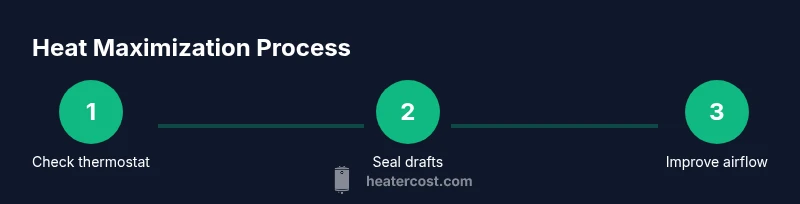
A key step in making a space feel warmer is ensuring your thermostat is giving you accurate, reliable control. Start by confirming the unit is in heat mode and that the current setpoint matches your comfort goal. If you have a programmable thermostat, set schedules that keep the living areas warmer during the day and optimize overnight temperatures. While checking the thermostat, inspect the furnace or heat source basics: clean or replace air filters, ensure gas valves or electrical connections are secure, and verify there are no error codes on the control board. Small, routine adjustments can improve warmth without increasing wear on the system. Always follow safety guidelines and consult a professional if you see irregular flames, unusual smells, or abnormal noises.
Improve air distribution to feel warmer
Warm air must reach all living spaces to feel hotter. Start by ensuring all registers and vents are open and unobstructed by furniture or curtains. If a central system is undersized for the space, use ceiling fans on a low, clockwise setting in winter to push rising warm air down toward living areas. For rooms that tend to be cooler, close doors to trap heat in, but avoid sealing off spaces entirely if it causes damp or humidity issues. Consider using a portable fan to gently circulate air in larger rooms. Effective distribution reduces cold spots and makes the overall space feel warmer without raising the thermostat.
Seal drafts and insulation to reduce heat loss
Heat escapes mainly through windows, doors, and gaps in building envelopes. Take a proactive approach by sealing obvious drafts with weatherstripping around doors and windows, and by filling gaps around baseboards and electrical outlets with insulating foam where appropriate. Use door sweeps on exterior doors to limit cold air infiltration, and add insulation to attic spaces or crawlspaces where needed. For windows, choose thermal curtains or add clear plastic film during the coldest months. Reducing heat loss is often the most cost-effective way to increase perceived warmth, since less heat escapes the room while your heater works less hard.
Use zone heating and smart scheduling
Zoning and smart scheduling can make spaces feel warmer even when the furnace isn’t roaring. If you have multiple zones, prioritize the living areas where you spend most of your time and reduce temperature in unused spaces. Utilize curtains or blinds to keep heat in during the night and mornings, and open them on sunny days to take advantage of natural warmth. Layering—adding a thick blanket or sweater—complements heating strategies and can reduce the need for higher thermostat settings. This targeted approach helps you achieve a warmer feel in critical areas without increasing overall energy consumption.
Upgrade options when the current heater isn't enough
If the space consistently feels cold despite best-effort adjustments, it may be time to evaluate upgrades. A larger or more efficient furnace, heat pump, or supplemental heating options can improve warmth in larger homes or poorly insulated spaces. When considering upgrades, factor in total cost of ownership, existing ductwork, and climate. Always consult a licensed HVAC professional to determine the right capacity and compatibility with your home. They can also suggest improvements like better insulation or sealing that can dramatically improve warmth and comfort with lower operating costs.
Safe practice and maintenance to maximize heat output
Regular maintenance is essential for consistent warmth and safety. Schedule annual inspections for gas furnaces or boilers, replace air filters as recommended, and test safety devices such as carbon monoxide detectors. Clean the burner assembly and heat exchanger if you’re comfortable doing so, but avoid disassembly beyond your skill level. Keep the area around the heater clear of clutter, ensure adequate combustion air, and follow all manufacturer guidelines. By combining preventive maintenance with safe operation, you maximize warmth while protecting your home and family.
When to seek professional help
If your space remains uncomfortably cool after trying the above steps, or if you notice persistent cycling, unusual odors, yellowish flames, or CO alarms, contact a licensed HVAC technician promptly. A professional can assess system sizing, duct integrity, insulation gaps, and safety compliance. They can also recommend legitimate upgrades or adjustments that maintain safety and efficiency. Addressing issues early can prevent energy waste and extend the life of your heating system.
Quick room-by-room heat-boost plan
Create a practical plan for the rooms you use most. Start with the living room and kitchen, then determine how bedrooms respond to daytime heating. Keep doors open to shared spaces during the day, and close them at night to contain warmth. Use heavy drapes on windows to cut heat loss, and consider a supplemental portable heater only if used according to safety guidelines and with appropriate clearances. A thoughtful, room-by-room approach can yield noticeable warmth without compromising safety.
Common mistakes that reduce perceived warmth
Avoid overloading circuits or running space heaters unattended. Do not block vents with furniture, drapes, or rugs, and never bypass safety controls or thermostat limits in an attempt to push more heat. Relying solely on a higher thermostat setting often creates uneven temperatures and increased energy use. Finally, neglecting routine maintenance can lead to inefficiency, higher bills, and inconsistent warmth. By steering clear of these pitfalls, you keep spaces warmer safely.
Tools & Materials
- Programmable or smart thermostat (if not already installed)(Set schedules for daytime warmth and energy savings.)
- Air filter(Replace or clean per manufacturer guidance; a clogged filter reduces airflow.)
- Weatherstripping kit(Seal doors and windows to reduce drafts.)
- Door sweeps(Place on exterior doors to minimize drafts.)
- Insulation material or window insulation kits(Enhances heat retention in critical areas.)
- Ceiling fan (to run on low in winter)(Helps distribute warm air downward.)
- Carbon Monoxide detector (and functional battery test kit)(Ensure safety when using fuel-burning heaters.)
- Basic basic tools (screwdriver, utility knife, caulk gun)(For simple installations or sealing work.)
Steps
Estimated time: 2-6 hours
- 1
Define warmth goals and safety limits
Clarify the target comfort temperature range for occupied spaces and respect manufacturer safety limits. This helps you avoid unsafe increases and directs your upgrades or adjustments toward achievable, safe warmth.
Tip: Document a preferred range for each major living area. - 2
Check thermostat settings and furnace basics
Switch the thermostat to heat, verify the setpoint aligns with your comfort goals, and ensure the fan is configured correctly. Inspect the air filter and verify there are no obvious error codes on the control board.
Tip: If you find odd smells, noises, or flame irregularities, stop and call a technician. - 3
Improve air distribution
Open all registers in the main living spaces and clear obstructions. Use ceiling fans on low clockwise to push warm air down. Consider temporary fans to circulate air in large rooms.
Tip: Avoid pointing fans directly at walls or people for long periods. - 4
Seal drafts and improve insulation
Identify obvious drafts around doors and windows, then apply weatherstripping or caulk. Add door sweeps and window coverings to reduce radiant heat loss. Improve attic or wall insulation if accessible.
Tip: Even small gaps can have a noticeable impact on warmth. - 5
Strategize zone heating and scheduling
Prioritize warming high-traffic areas during the day and reduce heating in unused spaces. Use heavy curtains at night to trap heat and leverage sunlight during the day.
Tip: Use a timetable that aligns with your daily routine for best results. - 6
Consider upgrades or supplements
If warmth remains insufficient, evaluate whether a higher-capacity system or supplemental heat source is appropriate. Consult a licensed professional to assess sizing, ductwork, and compatibility.
Tip: Avoid DIY upgrades that bypass safety features or venting requirements. - 7
Prioritize safety and maintenance
Schedule annual maintenance for fuel-burning systems, replace filters, and test safety devices regularly. Keep the heater area uncluttered and ensure adequate combustion air.
Tip: CO detectors should be tested monthly and replaced as recommended. - 8
Monitor, adjust, and re-evaluate
Check room temperatures at different times of day and adjust settings gradually. Reassess insulation and air distribution every season as needed to maintain warmth.
Tip: Keep a simple log to track what adjustments yielded the best warmth.
Got Questions?
Is it safe to turn up the thermostat to make the space warmer?
No. Bypassing safety controls or forcing higher temperatures can create hazards. Use safe maximums and optimize airflow and insulation first.
No. Don’t crank it beyond safe limits; improve airflow and insulation first.
What can I do to make a room feel warmer without increasing heater output?
Improve heat distribution, seal drafts, use insulating curtains, and optimize thermostat schedules. These steps boost perceived warmth without stressing the system.
Improve airflow, seal drafts, and use smart scheduling to feel warmer with less effort.
Should I replace my furnace or heater to get more heat?
If the current system is undersized or inefficient, replacement may be warranted. A licensed HVAC pro can determine capacity needs and the most cost-effective option.
If the system is undersized, upgrading with a professional is the safe path.
Can sealing windows and doors make a big difference?
Yes. Reducing drafts lowers heat loss significantly and makes warmth more consistent across rooms.
Sealing drafts can dramatically improve how warm your home feels.
How often should I service my heating system?
Have your heating system inspected annually, replace filters regularly, and test safety devices monthly, especially CO detectors.
Annual service and regular checks keep warmth reliable and safe.
Watch Video
The Essentials
- Assess room heat needs before changing settings
- Seal drafts to keep warmth in
- Optimize thermostat and air distribution for efficiency
- Consider upgrades if warm spaces remain uncomfortable
- Maintain safety and schedule professional inspections