How to Make a Room Warmer Without a Heater
Discover proven, safe methods to warm a room without relying on a space heater. This guide covers drafts, insulation, textiles, layout, and energy-saving habits for homeowners, renters, and property managers.


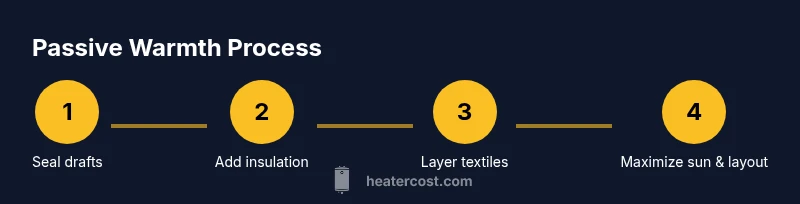
To make a room warmer without a heater, combine draft sealing, insulation improvements, and heat-retaining textiles with smart furniture placement. This quick sequence helps you trap heat, reduce cold spots, and stay comfortable using everyday items. Read on for practical steps you can implement this weekend to improve comfort and energy efficiency.
Why warming a room without a heater matters
In many homes, a room can feel drafty or cold even when a thermostat is comfortable for other spaces. Warm rooms come with improved mood, better sleep, and reduced energy bills when you avoid using a dedicated heater. This approach aligns with energy-conscious living and is accessible to homeowners, renters, and property managers. According to Heater Cost, simple, low-cost adjustments to sealing, insulation, and layout can yield noticeable warmth without turning on a space heater. The science is straightforward: heat flows from warm to cold areas, and drafts or gaps accelerate loss. By following a few reliable strategies, you can create a more comfortable environment, protect vulnerable occupants, and gain better control over your home's thermal comfort. This article focuses on practical actions you can implement this week, using common materials and furniture you already own.
Core principles of passive warming
Passive warming relies on moving, storing, and recapturing heat rather than generating it. The goal is to reduce heat loss, maximize solar gains, and minimize cold air infiltration. Think of your room as a system: sources of warmth include body heat, sunlight, and any heat you can trap within fabrics and surfaces. The key levers are insulation, air sealing, thermal mass, and smart layout. By optimizing these, you create a more stable indoor temperature with fewer fluctuations. For property managers, consistent comfort across units can improve resident satisfaction without increasing energy bills. This section lays out the foundational ideas behind passive warming, so you know what to prioritize when planning repairs, upgrades, or quick fixes. The approach is compatible with most budgets and does not require specialized equipment.
Draft sealing: doors, windows, and cracks
Drafts are often the largest source of heat loss in a room. Start with doors and obvious gaps around windows, outlets, and baseboards. Simple weatherstripping tape and door sweeps can dramatically reduce cold air entering a space. For windows, consider a combination of heavy curtains and interior insulating film where appropriate. A quick check by lighting a candle near edges can reveal where drafts come from; if the flame flickers, you know where to seal. Replace or repair worn weatherstripping with comparable material, and ensure door thresholds sit snugly. If you can't reseal, use draft stoppers or rolled towels along the bottom edge of doors for a temporary fix. These steps are inexpensive and effective in lowering the cold air exchange rate in most rooms.
Insulation upgrades you can do without major renovations
If your walls and ceiling feel cool, you can improve insulation without opening walls. Add temporary insulation blankets behind furniture that abuts exterior walls, or place foam boards behind radiator pipes (if present) to reduce heat loss. For renters and short-term spaces, portable insulation panels and draft guards offer a practical stopgap. Complement these with weatherstripping around window frames and door frames to seal gaps. While not a full retrofit, these actions significantly cut heat loss and create a cozier microclimate for daily living. By prioritizing non-permanent options, you preserve future flexibility while improving comfort.
Thermal mass and heat-retaining textiles
Thermal mass stores heat during the day and releases it slowly at night. You can enhance this effect with safe, in-room materials like ceramic objects, bricks, or stone accents placed where they receive sunlight. Textiles act as a secondary storage layer—layering blankets, quilts, and heavy throws over seating and beds traps warm air close to the body. Darker colors absorb more solar radiation, so consider color choices for textiles near south-facing windows. The combination of thermal mass and well-chosen fabrics creates a noticeably warmer feel without any active heating.
Curtains, blinds, and window strategies
Windows are major heat gateways. Heavy curtains with a closely-fitted liner provide a first line of defense against nighttime cooling, while daytime sun can be captured by opening blinds selectively. Consider layering window coverings: lightweight daytime blinds for light control and heavy drapes for insulation. Keep curtains close to the wall to minimize drafts, and use tiebacks to allow solar gain when conditions allow. Properly managed window strategies can yield a perceptible increase in room warmth throughout the day and night.
Room layout and furniture positioning for warmth
Furniture placement can dramatically impact perceived warmth. Avoid placing large furniture directly in front of radiative sources (even if you’re not using a heater) and instead create a clear zone where heat can circulate. Position seating to maximize sun exposure during the day in front of windows and use mirrors to reflect daylight into darker corners. A well-planned layout reduces stagnant cold pockets and encourages a cozier atmosphere with less energy loss.
Floor warming with rugs and padding
Hard floors feel cold underfoot, which can make an otherwise moderate room feel chilly. Layer rugs and padding to create warmth underfoot and to improve thermal comfort. Thicker, denser rugs provide better insulation than thin runners, especially in rooms with uncarpeted floors. For rooms with multiple zones, consider using different rug thicknesses to address the warmest and coldest spots. This simple step can make a substantial difference in comfort, particularly in winter months.
Safe supplemental warmth options when necessary
If you still feel cold, opt for safe, non-emissive options such as hot water bottles, microwavable heat packs, or electric blankets with safety features. Always follow manufacturer instructions and avoid accelerants or open flames, especially in small spaces. If you must use any temporary heat source, ensure proper ventilation and keep flammable objects away. These measures provide extra comfort without relying on a dedicated heater.
Routine maintenance and energy-saving habits
Small, consistent habits add up over time. Keep window coverings adjusted by season, check seals periodically, and replace worn weatherstripping as needed. Clean or replace door sweeps to maintain a tight seal, and track comfort levels to identify which changes have the biggest impact. Regularly revisiting insulation and layout decisions helps you maintain a comfortable space while keeping energy use in check.
Quick-start checklist for an immediate boost
- Seal obvious drafts around doors and windows
- Add insulating curtains or liners to major windows
- Place a thick rug over cold floors
- Reposition furniture to improve heat circulation
- Layer blankets on seating areas and beds
- Test for remaining drafts and seal as needed
- Observe comfort changes over the next 24 hours and adjust accordingly
Tools & Materials
- Draft-blocking door snakes(Place along the bottom of doors; easy to move between rooms)
- Weatherstripping tape (foam or rubber)(For doors and windows; choose width to match gap size)
- Door sweeps(Install on exterior doors; ensure a snug fit)
- Thermal curtains or insulated drapes(Heavy fabric with a liner improves insulation)
- Area rugs or carpet remnant(Cover cold floors; bigger is better for coverage)
- Window insulation film (shrink film)(Temporary, non-permanent window insulation option)
- Reflective or insulating window panels(Optional for extra radiant heat control)
- Blankets or quilts (for layering)(Keep at seating areas and beds for quick warmth)
Steps
Estimated time: 60-120 minutes
- 1
Identify draft sources
Walk the room and feel for cold air at windows, doors, and outlets. Note gaps that are large enough to seal and plan where to apply weatherstripping or door sweeps. This initial survey sets the priorities for the rest of the steps.
Tip: Use a flashlight at night to spot light leaks around frames. - 2
Seal doors and windows
Apply weatherstripping tape to gaps around doors and windows; install door sweeps where heat loss is visible beneath doors. Re-test with a cold air check to confirm improvements.
Tip: Press firmly to ensure the adhesive sticks; remove any oils from the surface before applying. - 3
Install heavy curtains
Hang thick, insulating curtains on major windows. Close them at night and open during sunny parts of the day to maximize solar gain.
Tip: Ensure curtains nearly touch the floor to reduce drafts escaping from the sides. - 4
Add area rugs
Layout large area rugs over exposed floors, prioritizing the coldest zones. This reduces heat loss through the floor and improves foot comfort.
Tip: If you can’t cover the whole floor, target entryways and seating areas first. - 5
Optimize furniture layout
Arrange seating and tables to create micro-climates near windows and walls with sun exposure. Avoid blocking heat paths and allow air to circulate.
Tip: Create a faux fireplace zone by placing a chair near a sunny window and a small table for warmth-boosting touches. - 6
Layer textiles
Add blankets, throws, and cushions to seating and beds. Layering traps warm air and makes resting areas feel cozier.
Tip: Choose darker textiles near cold walls to enhance heat absorption visually and physically. - 7
Enhance solar gain
Keep curtains open on sunny days to capture solar warmth; close them once the sun withdraws to keep heat inside.
Tip: Use mirrors opposite windows to reflect sunlight deeper into the room. - 8
Prioritize thermal mass
Place heavy, heat-absorbing objects in sunny spots to accumulate warmth that is slowly released.
Tip: An indoor plant cluster in a sunny corner can also help stabilize microclimates by storing moisture and heat. - 9
Address floor gaps
Check for gaps around baseboards and seal where feasible; small gaps can add up to noticeable heat loss.
Tip: Use a draft blocker along baseboards as a quick, movable solution. - 10
Use temporary heat-safe aids if needed
If you must use extra warmth, consider safe options like hot water bottles or heat packs; never use open flames.
Tip: Place heat sources on stable, non-flammable surfaces and away from fabrics. - 11
Monitor comfort and adjust
After implementing changes, observe how the room feels across different times of day and adjust curtains, furniture, or rugs as needed.
Tip: Keep a simple warmth log to track what changes yield the best comfort gains. - 12
Create a maintenance routine
Set a seasonal reminder to check seals, update textiles, and refresh weatherstripping as needed. Small, regular tweaks prevent comfort decline.
Tip: Document which adjustments are most effective so you can repeat them year after year.
Got Questions?
Is it safe to rely on non-heating methods to warm a room in winter?
Yes, these methods are generally safe when implemented correctly. Prioritize drafts sealing, insulation, and proper use of textiles. If you feel consistently cold, consult a professional to assess your space's insulation and overall energy efficiency.
Yes, these methods are safe when done correctly. Start with drafts sealing and textiles, and seek professional advice if cold persists.
Do curtains really make a difference in room temperature?
Curtains reduce heat loss at night and can limit heat gain during the day, depending on thickness and lining. Heavy curtains with liners are most effective for insulating windows, especially in bedrooms and living spaces.
Yes. Heavy curtains with liners can cut heat loss at night and support warmth during the day.
Can I use rugs to warm a room in winter?
Rugs insulate bare floors, reducing heat loss and improving comfort underfoot. Larger, thicker rugs have a greater warming effect, especially on cold tile or wood floors.
Rugs help by insulating the floor and making it feel warmer underfoot.
What is the best order to implement these steps?
Start with sealing drafts, then add insulation and curtains, followed by textiles and layout tweaks. Finish with rugs and last tweaks to window strategies. This sequence minimizes heat loss first, then enhances retention.
Seal drafts first, then insulate and curtain strategies, followed by textiles and layout tweaks.
Are these methods cost-effective for renters?
Yes. Most steps are low-cost, non-permanent, and reversible, making them ideal for renters. You can achieve meaningful warmth improvements without major renovations or tools.
Absolutely, these steps are affordable and renter-friendly.
Should I still use a heater in extremely cold weather?
In very cold conditions, a heater might be necessary for safety and comfort. Use efficient, properly installed heating with caution, and prioritize passive warming strategies to reduce overall energy use.
If it’s extremely cold, consider using a safe, efficient heater alongside passive warming.
Watch Video
The Essentials
- Seal drafts first to stop cold air leaks.
- Use textiles and rugs to trap warmth near occupants.
- Maximize solar gain and layout for efficient heat distribution.
- Keep safety front and center with non-heating alternatives.
- Track changes and maintain non-permanent improvements.