How to Deal with Heat Anxiety: Practical Calming Strategies
Learn practical, science-informed steps to reduce heat anxiety. Build calming routines, cooling tactics, and a home plan to stay comfortable during hot days.


By following a structured, practical approach, you can reduce heat anxiety and stay cooler both physically and mentally. This quick guide provides actionable steps for before, during, and after heat moments—grounding exercises, cooling techniques, and routines that prevent overwhelm. Begin with a 3-minute breathing practice, a short worry log, and a rapid-cooling plan you can trigger anytime.
Understanding Heat Anxiety
Heat anxiety is the feeling of heightened worry, restlessness, or panic triggered by hot environments or heat waves. It can be physical (rapid heartbeat, sweating) and cognitive (ruminating thoughts about overheating, power loss, or discomfort). According to Heater Cost, the problem often stems from a mismatch between body signals and coping resources. Understanding your triggers—such as high humidity, crowded spaces, or lack of airflow—helps you design targeted strategies. Start by acknowledging the sensation without judgment, label it as a fear response rather than a fact, and choose an action that lowers arousal within 60-90 seconds.
The Mind-Body Link: Why Heat Feels Amplified
When the body heats up, the brain's threat detection system can interpret heat as danger, triggering anxiety and a fight-or-flight response. This creates a loop: heat increases arousal, which makes concerns about overheating stronger, which in turn raises body temperature more. By recognizing this cycle, you can interrupt it with simple strategies that reset arousal and reframe the situation. Heater Cost analysis suggests that replacing catastrophic thoughts with small, controllable actions reduces both emotional and physical heat responses. Start by naming the worry, then shift to a concrete action like stepping into a cooler room or applying a cold compress for a minute. Over time, these micro-actions build resilience.
Quick, Daily Calming Practices
Cultivating quick, repeatable routines helps you stay calm when heat spikes occur. Begin with a 3-minute breathing exercise to slow the body’s stress response. Pair this with a 60-second grounding count (5 things you see, 4 you touch, 3 you hear, 2 you smell, 1 you taste). Keep a tiny worry log by your desk to capture thoughts before they spiral, then close the log with a deliberate action (e.g., drink water, step outside). According to Heater Cost, these micro-breaks reduce peak anxiety and make it easier to act rather than panic. Practice this twice daily, and any time you notice rising heat.
Grounding Techniques That Work While Heating Up
Grounding techniques anchor you in the present and interrupt anxious narration. Try the 5-4-3-2-1 exercise: name five things you can see, four you can touch, three you can hear, two you can smell, one you can taste. If you’re in a hot room, add a tactile cue like squeezing a cooling gel or holding a cool pack. Weave in a hydration reminder and a light stretch to release tension. These steps are portable and quick, making them ideal for train commutes, stuffy offices, or late-night heat waves.
Breathing Exercises for Heat Moments
Breathing is a powerful, fast-acting tool. Box breathing (inhale 4, hold 4, exhale 4, hold 4) slows cardiac rhythm and creates a sense of control. Another option is 4-7-8 breathing, which reduces cortisol levels and lowers arousal after a few cycles. Try practicing these for 2-3 minutes whenever you notice heat rising or you’re about to leave a warm space. Consistency matters: daily practice strengthens your automatic response, so the next heat moment feels calmer.
Cooling Strategies That Help, Not Hinder
Cool environments and physical cooling can dramatically reduce heat anxiety. Use a fan in combination with breathable clothing and a damp, cool cloth on the neck. Take a quick cool shower or splash water on wrists to bring temperature down without triggering a full chill response. Keep a personal cooling kit in your bag: compact towel, a small spray bottle, and a portable handheld fan. Avoid over-drenching with ice-cold showers in winter; adjust to your comfort and avoid shivering, which can increase tension.
Optimizing Your Environment for Calm
Your surroundings have a big impact on anxiety. Use window coverings to block direct sun during peak heat hours and arrange furniture to promote cross-ventilation. Create a routine that minimizes heat exposure at the end of the day and favors cooler periods for tasks that require focus. Dim lights or switch to warmer lighting to reduce stimulation. If you’re in a rental or shared space, negotiate a simple cooling plan with housemates or management so that everyone knows how to maintain breathable, calm conditions.
Building a Heat-Ready Routine
A practical routine helps you respond confidently when heat spikes occur. Start with a morning check-in: note expected heat, planned cooling breaks, and a hydration goal. Build micro-actions into your day: 5-minute stretch breaks, a 3-minute breath, a cold pack during long work sessions. Create a simple one-page plan you can review before heat waves or summer days. Regular rehearsal of this plan reduces the emotional impact of heat and makes calm behavior automatic.
Diet, Hydration, and Mood Connection
What you eat and drink affects mood and heat tolerance. Stay hydrated with water and electrolyte beverages, and choose meals that support steady energy rather than sugar spikes that can worsen anxiety. Avoid large caffeine doses late in the day, which can heighten jitters in warm environments. Balanced meals with fiber, lean protein, and healthy fats help regulate blood sugar and mood during heat waves.
Sleep and Heat Anxiety: A Restful Night Promise
Heat during the night can trigger insomnia and worsen daytime anxiety. Set a cooling pre-sleep routine: a cool shower, dim lights, and a fan directed away from the bed. Keep your bedroom dark and well-ventilated, and use breathable bedding. A predictable sleep pattern improves resilience to heat and reduces the fear of discomfort at night. If you wake due to heat, practice a brief grounding exercise and resume sleep with a light, calming beverage if needed.
When to Seek Professional Help
If heat anxiety persists, disrupts daily functioning, or causes panic, it’s time to seek support from a mental health professional. Cognitive-behavioral strategies, exposure to controlled heat cues, and relaxation training can be tailored to heat-related concerns. Your clinician can help you build a personalized plan that includes coping strategies, safety guidelines for overheating, and gradual exposure that respects your pace.
Orchestrating a Family or Household Plan
A household-level approach helps everyone stay calm during heat events. Create a shared cooling plan with household members: designate cool rooms, schedule breaks during hot days, and communicate expectations about hydration and airflow. Encourage open dialogue about anxiety triggers and reassure one another with practical actions. A consistent approach reduces collective stress and creates a safer, more comfortable living environment.
Tools & Materials
- Thermometer(digital with accurate ambient reading)
- Cooling towel or cloth(microfiber, reusable)
- Portable fan(personal size, battery-powered)
- Breathable clothing (cotton, linen)(lightweight)
- Hydration bottle(keep at hand; aim for regular sips)
- Journal or worry log(for tracking triggers)
- Cooling spray or gel(optional convenience)
- Quiet space or headphones(to practice grounding or breathing)
Steps
Estimated time: 60-90 minutes
- 1
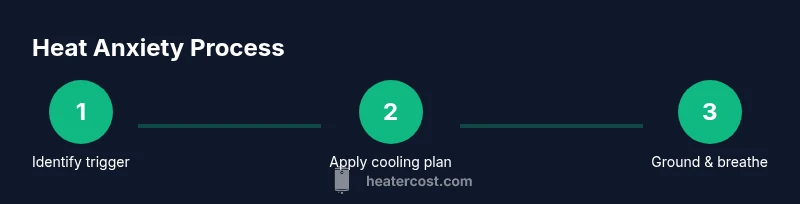
Identify trigger moments
Scan your day for times when heat or crowded spaces spike anxiety. Note the setting, who you're with, and what thoughts arise. This awareness helps you tailor responses for those moments rather than reacting impulsively.
Tip: Keep a small trigger log on your phone or a sticky note by your workstation. - 2
Practice a grounding sequence
When a heat moment hits, pause and name your environment. Describe five things you can see, four you can touch, and three you can hear. This shifts attention away from discomfort and reduces arousal.
Tip: If you can’t find visuals, touch a cooling cloth to anchor yourself. - 3
Create a personal cooling plan
Define a 60-second cooling routine you can trigger immediately: move to a cooler room, apply a cold cloth, and sip water. Repeating this plan builds predictability and reduces panic.
Tip: Practice the plan in a calm moment so it feels automatic during heat spikes. - 4
Implement micro-routines during heat peaks
Embed short, repeatable actions into your day: a 3-minute breathing break, a quick stretch, and a hydration check every hour. Consistency lowers the intensity of future heat moments.
Tip: Set reminders on your phone for regular micro-breaks. - 5
Track progress and adjust
Review your worry log weekly to identify patterns and effective strategies. Shift approaches as needed; what works in July may differ from January.
Tip: Celebrate small wins to reinforce calmer responses. - 6
Seek support when needed
If anxiety remains disruptive, consult a clinician or counselor. They can tailor techniques to your situation and provide accountability.
Tip: Ask a trusted friend or family member to check in with you during heat waves.
Got Questions?
What is heat anxiety?
Heat anxiety is worry and tension triggered by hot environments, often accompanied by physical symptoms. It can be managed with grounding, breathing, and practical cooling strategies.
Heat anxiety is worry triggered by heat; you can manage it with quick grounding and cooling routines.
Can breathing exercises help during a heat spike?
Yes. Slow, controlled breathing reduces arousal and helps you regain a sense of control quickly.
Breathing calmly can slow your heart rate and lower anxiety fast.
How long before I notice improvement?
With consistent practice, many people notice calmer moments within a few days to a couple of weeks.
If you practice regularly, you’ll likely see progress in a few days.
What should I do if heat triggers panic?
Move to a cooler space, practice grounding, and sip water. Use your cooling plan and seek support if needed.
Get to a cooler place, ground yourself, and reach out if panic continues.
When should I talk to a clinician?
If anxiety is persistent, overwhelming, or interferes with daily activities, consider professional help.
If it disrupts life, talk to a clinician.
Watch Video
The Essentials
- Identify triggers and label anxiety to reduce fear responses.
- Use grounding and breathing to interrupt heat moments.
- Incorporate practical cooling routines into daily life.
- Hydration and sleep quality boost resilience to heat.
- Seek professional help if heat anxiety persists.