How to Clean a Heater Filter: A Practical Step-by-Step Guide
Learn how to clean a heater filter safely and effectively. This step-by-step guide covers when to clean, cleaning methods for common filters, and practical maintenance tips to boost efficiency and indoor comfort.


Learn how to clean a heater filter safely and effectively in 2-3 quick steps. This quick guide covers when to clean, how to access the filter, cleaning methods for common filter types, and simple checks to ensure your system runs efficiently. Following these steps can improve airflow, efficiency, and comfort.
Why cleaning your heater filter matters
Regularly cleaning your heater filter is one of the most cost-effective ways to maintain airflow, improve heat transfer, and lower energy bills. According to Heater Cost analysis (2026), a dirty filter can reduce furnace efficiency and lead to uneven heating. If you're learning how to clean heater filter, start with a plan that respects your filter type and the unit’s manufacturer guidelines. A clean filter supports better indoor air quality, quieter operation, and longer equipment life.
Types of heater filters and what they need
There are several filter types used in residential heating systems: disposable fiberglass, pleated disposable, and washable/reusable filters. Fiberglass and most pleated filters are designed to be replaced when dirty, while some pleated or electrostatic options can be cleaned. Always check the label to determine whether cleaning is allowed or whether you should replace the filter entirely. Remember that the cleaning method, drying time, and reinstallation steps differ by type, so consult the manual and choose the approach that suits your unit.
Safety first: before you start
Before touching any components, power down the system at the breaker or switch, and wear protective gloves. If you have a gas furnace, avoid disturbing gas lines or flame sensors unless you’re trained. Do not clean a filter while the unit is still hot or while belts are moving. Ensure you have good lighting and enough space to work. If you feel unsure, contact a licensed technician rather than attempting DIY.
Tools and materials you’ll need
- Vacuum with brush attachment
- Warm water and mild detergent (for washable filters only)
- Soft brush or sponge
- Drying rack or clean towel
- Replacement filter (if advised by manufacturer)
- Gloves
- A small container or basin for washing (optional for washable filters)
Having the right tools helps you stay organized and reduces the chance of damage during cleaning.
Step-by-step overview
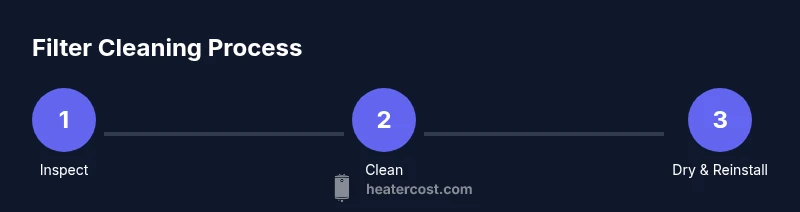
Identifying your filter type is the first critical step. Then, remove the filter housing carefully, inspect for wear or damage, and apply the appropriate cleaning method. After washing or brushing, ensure the filter is completely dry before reinstalling it. Finally, restart the system and verify airflow is unobstructed. This overview prepares you for the detailed steps below without rushing the process.
Maintenance scheduling and best practices
Set a reminder to check your heater filter on a regular basis, especially during winter. Disposable filters should be replaced per the manufacturer’s guidelines, typically when dirty or clogged; washable filters require cleaning and thorough drying before reuse. Use high-quality filters with proper MERV ratings for your system to maintain efficiency. Consistent maintenance helps extend equipment life and keeps energy costs in check.
Troubleshooting common issues after cleaning
If airflow remains weak after cleaning, double-check that the filter is fully dry and properly seated in the housing. Inspect for cracks in the housing or debris around seals. If you notice persistent noises, unusual odors, or reduced heat output, shut down the system and consult a technician. These signs may indicate a more complex problem beyond dirty filters.
How to prevent future buildup
To minimize future buildup, install filters with the correct size and MERV rating for your unit, seal ducts to prevent leaks, and schedule routine maintenance. Keeping a spare filter on hand helps you swap quickly when needed. Consider an annual professional inspection to catch issues before they impact performance.
Tools & Materials
- Screwdriver (if needed to access the filter housing)(Phillips head or flathead depending on unit)
- Vacuum with brush attachment(Use to remove dust around the housing)
- Warm water(For washable filters only)
- Mild detergent(Optional for heavy grime on washable filters)
- Soft brush or sponge(Non-abrasive to avoid filter damage)
- Drying rack or clean towel(Ensure complete dry before reinstall)
- Replacement filter(Have on hand if the existing filter is damaged)
- Gloves(Protect hands from dust and contaminants)
Steps
Estimated time: 20-40 minutes
- 1
Power down and locate the filter
Turn off the system at the breaker or switch and locate the filter housing. Confirm the exact filter size and type by checking the unit’s manual or the label on the filter itself. This prevents accidental startup and ensures you handle the correct component.
Tip: If you’re unsure where the housing is, consult the manual or take a quick photo before removing anything. - 2
Remove the filter carefully
Gently slide the filter out of its slot, being careful not to shake loose dust into the living space. Note the orientation of the filter for correct reinstallation. If it’s a disposable type, set it aside for proper disposal.
Tip: Take a quick photo of the filter in place to ensure proper orientation during reinstallation. - 3
Assess filter type and cleaning method
Check the filter label to determine if it’s disposable or washable. Washable filters can be cleaned with gentle methods, while disposable ones should be replaced. If in doubt, replace with a compatible filter brand.
Tip: Avoid using hot water or aggressive brushes on delicate filters that are not designed to be cleaned. - 4
Clean the filter according to type
For washable filters, rinse under cool water, use a mild detergent if needed, and gently scrub with a soft brush. For disposable filters, vacuum the frame and nearby dust, and prepare for replacement.
Tip: Never wring a washable filter; press out excess water and allow thorough air drying. - 5
Dry the filter completely
Lay the washed filter on a drying rack or clean towel in a well-ventilated area. Let it dry completely, which may take several hours depending on the filter type and humidity. Rewetting a damp filter can impair performance.
Tip: Avoid reinstalling a damp filter—recheck dryness by squeezing a corner; it should feel dry to the touch. - 6
Reinstall and test the system
Slide the filter back into its housing in the correct orientation, reseal the door or panel, and restore power. Run the system for a few minutes and listen for even airflow and any unusual noises. If you replaced the filter, observe for improved airflow and comfort.
Tip: Keep a note of the date on the filter packaging or a maintenance log for future reference.
Got Questions?
How often should I clean my heater filter?
Check your filter monthly during the heating season and follow the manufacturer’s guidelines for cleaning or replacing. For disposable filters, replace as directed by the label; for washable ones, clean and dry thoroughly before reuse.
Check the filter monthly during heating season and follow the manufacturer’s guidelines for cleaning or replacement. Replace disposables as directed and ensure washable filters are completely dry before reuse.
Can I wash a disposable fiberglass filter?
No. Disposable fiberglass filters are designed to be replaced when dirty. Cleaning can damage the filter media and reduce its effectiveness. Always replace with a filter of the correct size and rating.
No. Fiberglass filters are meant to be replaced, not washed. If in doubt, replace with a new filter of the correct size.
What should I do if the filter is damaged?
If the filter shows tears, warping, or misshapen edges, replace it and inspect the housing for damage. A damaged filter can allow unfiltered dust into the system and reduce efficiency.
If the filter is damaged, replace it and check the housing for damage. Damaged filters aren’t effective and can affect the system.
Is it safe to run the heater after cleaning?
Yes, but only after the filter is reinstalled correctly and the unit is powered back on. Listen for normal airflow and verify there are no unusual smells or noises.
Yes, but make sure the filter is dry and properly seated before turning the system back on. Listen for normal airflow.
Do all heaters use the same size filter?
No. Filter sizes vary by model and unit. Always check the label or user manual for the correct size and rating before purchasing or replacing.
No. Check your unit’s manual or the filter label to get the right size and rating.
Should I use detergents to clean filters?
Only use detergents on washable filters if the manufacturer allows it. Do not use detergents on disposable filters, which should be replaced instead.
Only use detergents if the filter is washable and the manufacturer says it’s okay; disposables should be replaced.
Watch Video
The Essentials
- Check filter type before cleaning to avoid damage
- Inspect for wear and replace if shown signs of degradation
- Dry the filter completely before reinstallation
- Regular maintenance improves airflow and comfort
- Schedule routine maintenance reminders