How to Adjust a Heater in Your Apartment
Learn how to safely adjust a heater in an apartment, optimize comfort, reduce energy use, and avoid common landlord-related pitfalls with our step-by-step, tenant-friendly guide.


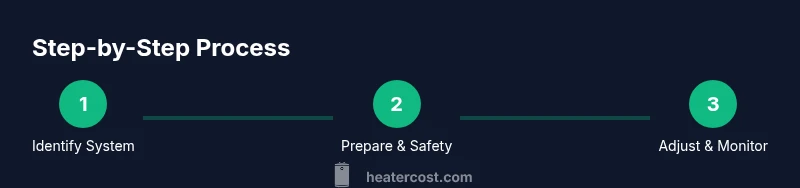
In this guide, you’ll learn how to safely adjust your apartment heater to improve comfort and efficiency. Start by identifying your heater type (baseboard, radiator, or central) and verifying thermostat compatibility, then follow a safe, tenant-friendly step-by-step method to adjust temperature, zone controls, and basic maintenance. Always follow safety guidelines and your lease or building rules.
Understanding apartment heating systems and your options
In most apartments, heating is delivered by one of three common systems: baseboard electric heaters, hot-water radiators, or central forced-air with a shared boiler. Each system has different adjustment possibilities and access points. A quick check to identify yours: locate the wall thermostat; if the heat source is a panel along the baseboard, you likely have electric baseboard or hydronic baseboard radiators; if you feel warm air from vents, you likely have central forced-air. The Heater Cost team notes that recognizing the system type matters because adjustments that work for one may be ineffective for another. Adjustments that keep comfort consistent also help control energy costs. For example, baseboard heaters respond to thermostat setpoints and fan options (if available); radiators may need bleed valves; central systems respond to programmable thermostats and zone controls. By understanding your setup, you can plan adjustments with minimal risk and comply with lease-specified limits. Remember to review any building guidelines about altering heat settings during shoulder seasons, particularly in multifamily buildings where neighbor comfort matters. The goal is consistent warmth without overuse, balancing energy cost and tenant comfort. According to Heater Cost analysis, small, deliberate changes can yield noticeable comfort improvements without large energy spikes, especially when combined with schedules and targeted zone control.
Safety first: what you can adjust without a technician
Safety rules come first. For most apartment heaters, basic adjustments—thermostat setpoints, fan modes, and simple zoning—can be done without a professional. Never tamper with gas lines or electrical connections. If you smell gas, hear hissing, or see smoke, evacuate immediately and call emergency services. Before you begin, power off at the thermostat or circuit breaker if instructed by the manufacturer. Wear gloves if you plan to handle exposed components and keep hair and loose clothing away from moving parts. If you notice any damaged wiring, buzzing noises, or a burnt odor, stop and contact a licensed professional. This section lays out practical safety basics so you can avoid common hazards while tuning your heat to your comfort needs.
Step-by-step: preparing to adjust
Before touching any controls, gather your tools and confirm permissions. Identify your heater type and locate the thermostat, access panels, and any model number from the manual. Review your lease or building guidelines about adjusting heat settings. Photograph current settings for reference, and note room temperatures using a reliable thermometer. Gather the essential tools: a screwdriver set, a digital thermometer, and a flashlight. Have the manual handy for model-specific steps. Finally, set a clear goal for this session—e.g., reduce over-heating in the living room while preserving warmth in the bedroom. This preparation reduces risk and helps you track progress over time.
Step-by-step: adjustments for common heater types
Baseboard electric heaters: start with a modest temperature change on the wall thermostat and ensure no furniture blocks airflow. Hydronic baseboards require careful vent management and avoiding valve tampering. Radiator systems: bleed any cold spots first by opening the bleed valve slightly with a small screwdriver until air escapes and water drips out. Central forced-air systems with zone controls: adjust the main thermostat first, then fine-tune individual zone thermostats if present, using programmable schedules to match occupancy. For all systems, avoid turning up the heat too quickly; gradual increases are more efficient and comfortable. Record the changes you make and monitor responses over 24–72 hours to confirm improvements without energy spikes. The goal is consistent warmth with minimal energy waste while staying within building rules.
Monitoring energy use and comfort after adjustments
After making changes, monitor both comfort and energy use. Record the new room temperatures at different times of day and compare to baseline readings. Compare energy bills month over month if possible, looking for meaningful trends rather than single-month anomalies. If comfort improves without a noticeable rise in energy use, you’ve likely found a better balance. If you observe persistent cold spots or overheating, revisit your thermostat setpoints and make smaller adjustments. Use a programmable thermostat when possible to maintain consistent temperatures during workdays and nights, which can improve overall comfort and efficiency.
Troubleshooting common issues after adjustments
If you still don’t feel warm enough, check for blocked vents, closed doors, or drafts that undermine heat distribution. If the thermostat doesn’t respond to adjustments, ensure it has power and is properly paired with the heating system (and that there are no wiring faults). Unusual noises, irregular cycling, or smells indicate a problem beyond simple adjustment and should prompt a call to a licensed professional or building maintenance. If you notice gas smells, shut off the gas supply if safe and contact emergency services. Keep a log of issues and actions taken to help any pro diagnose the root cause faster.
Authoritative sources and safety reminders
For more detailed safety and operating guidelines, consult reputable sources on heating safety and energy efficiency. These resources provide additional context on thermostat placement, system basics, and safety practices. Energy.gov offers guidance on heating systems and thermostats, while ENERGY STAR provides efficiency-focused tips for heating and cooling. Always reference your specific model’s manual and follow building rules when adjusting heat settings.
Tools & Materials
- Digital thermometer or room thermometer(To verify room temperature accuracy; place away from vents)
- Screwdriver set (Phillips and flathead)(To open thermostat covers or panels)
- Owner's manual or model-specific guide(Keep handy for model instructions)
- Non-contact voltage tester(Optional safety check for exposed wiring)
- Flashlight(Illuminates inner panels in dim spaces)
- Notebook and pen(Log settings and dates for future reference)
- Lease copy or building guidelines(Check for restrictions on heat adjustments)
Steps
Estimated time: 30-60 minutes
- 1
Identify heater type and locate thermostat
Confirm whether you have baseboard, radiator, or central heating. Locate the thermostat and any manuals or control panels. Understanding the system helps tailor safe adjustments. Take a photo of current settings for reference.
Tip: Having a clear photo makes reverting changes easy if needed. - 2
Power down safely and gather references
Turn off power at the thermostat or circuit breaker if the manufacturer recommends it. Gather the manual and note model numbers to avoid guessing. This reduces the risk of electrical faults or improper adjustments.
Tip: Never force panels or screws; use appropriate tools. - 3
Set a baseline temperature
Note the current setpoint and room temperature. Establish a comfortable baseline (for example, 68–72°F in living areas) and plan gradual increases or decreases. This provides a reference point for measuring impact.
Tip: Make small adjustments (1–2°F) and wait at least 15–30 minutes to assess impact. - 4
Make gradual adjustments and observe changes
Increase or decrease the thermostat by small increments. Monitor room temperature and comfort, avoiding rapid swings. Let the system stabilize before making further changes.
Tip: Keep notes on each adjustment and its effect. - 5
Fine-tune zone controls (if present)
If your system supports zone controls, adjust individual zones to balance comfort and efficiency. Close off unused zones if allowed by the building design. Document how changes affect different rooms.
Tip: Zone balancing often yields the most noticeable comfort gains. - 6
Document changes and plan follow-up
Log the final settings and plan a follow-up review in 1–2 weeks. If the apartment still doesn’t feel right, consult building maintenance or a licensed pro.
Tip: A simple log helps you track progress and revert if needed.
Got Questions?
Is it safe for tenants to adjust apartment heaters without a technician?
Yes, for basic thermostat updates and vent adjustments, as long as you avoid electrical or gas line work. Always follow safety guidelines and building policies.
Yes, you can safely adjust thermostat settings and simple controls, but don't touch gas lines or wiring.
Can adjusting the thermostat save money in an apartment?
Yes. Small, well-planned adjustments combined with scheduling can reduce energy use while keeping you comfortable. Avoid overheating rooms to minimize waste.
Yes—smart, gradual adjustments and scheduling can lower energy costs while keeping you comfortable.
What should I do if adjustments don’t affect room temperature?
Check for blocked vents, drafts, or an improperly located thermostat. If the issue persists, document changes and contact building maintenance.
If you don't feel a change after adjustments, check airflow and drafts, then contact maintenance if needed.
Will making adjustments affect my lease or building policy?
Some buildings restrict certain modifications. Always review guidelines and keep changes within permitted ranges to avoid penalties.
Always review the lease guidelines; keep changes within allowed ranges.
How often should I recalibrate the thermostat after adjustments?
Periodically check every few weeks. If temperatures drift, adjust by small increments and re-evaluate after a full day.
Check every few weeks and adjust in small steps if you notice drift.
Watch Video
The Essentials
- Identify your heater type before adjustments.
- Always follow safety rules and lease guidelines.
- Make small changes and monitor results.
- Document settings for future reference.