How Often to Flush a Water Heater: A Practical Guide
Learn how often to flush a water heater, why it matters, and a step-by-step approach to keep your system efficient, extend life, and reduce sediment buildup.


To keep your water heater efficient and extend its life, flush the tank every 6–12 months, or more often if you have hard water or heavy sediment. Start by turning off power and cold-water supply, drain the tank, flush with fresh water, and refill. If you own a tankless model, follow manufacturer guidance.
Why flushing matters
Sediment buildup in a water heater can insulate the heating element, reduce efficiency, clog valves, and shorten the unit's life. Over time minerals like calcium and magnesium accumulate at the bottom of the tank. Flushing dislodges and removes this sediment, restoring heat transfer, improving recovery rate, and reducing energy bills. For households with hard water or older systems, the sediment load can be substantial, leading to louder operation and even premature failure. Regular maintenance is a small habit with big payoff. According to Heater Cost, regular flushing is a simple, cost-effective way to extend the life of your water heater, protect your investment, and avoid unexpected outages. A proactive schedule also helps diagnose other issues early, such as leaks or aging valves. By keeping your system clean, you maximize efficiency and comfort while lowering long-term costs. Tip: keep a simple calendar to track each flush and any related repairs, so you’re not guessing when to service.
How often to flush water heater: general guidelines
Most homeowners—with municipal water and standard usage—benefit from a flush every 6 to 12 months. If you notice excessive sediment, cloudy water, or reduced hot-water recovery, you may need to shorten that interval to every 3–6 months. Water quality is the biggest driver of flush frequency; hard water and older tanks tend to accumulate more sediment quickly. For renters and property managers, establishing a predictable schedule helps maintenance staff keep units performing well without interrupting service. As a rule of thumb, plan a flush at least once a year and adjust based on sight, smell, and heat delivery. Heater Cost’s analysis supports tailoring the plan to your local water quality and household demand.
Signs your water heater needs a flush sooner
- Visible sediment or mineral buildup at the drain valve
- Discolored or metallic-tasting water
- Reduced hot water flow or longer heating times
- Sediment noise or popping sounds from the tank
- Higher energy bills without obvious原因
If you notice these signs, schedule a flush promptly. Regular flushing can prevent more serious problems, such as valve leaks or heat exchanger degradation. In some cases, routine maintenance can also extend warranty coverage by demonstrating proactive care.
A quick overview of flushing: traditional tank heaters vs. tankless models
Traditional storage tanks accumulate sediment at the bottom where the heating element sits. Flushing helps remove this sediment, improving efficiency and recovery. Tankless models, by contrast, heat water on demand and typically accumulate mineral scale on heat exchangers over time. Tankless flushing usually involves descaling with a vinegar solution or a manufacturer-approved cleaner, as noted in many maintenance guides. Always consult your owner’s manual for model-specific guidance. For both types, a calm, methodical approach reduces risk and preserves system longevity.
Step-by-step overview you’ll perform in the dedicated STEP-BY-STEP block
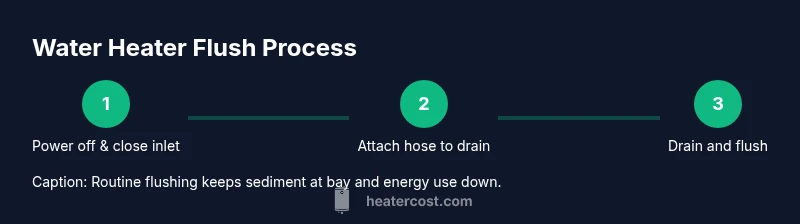
The following section summarizes the core actions you’ll take: shut off power, close the cold-water valve, attach a hose to the drain, drain the tank, flush with clean water, close the drain, refill the tank, and re-activate power or gas. If you have a tankless unit, the process differs; consult manufacturer instructions for descaling or circulating cleaner. This overview helps you understand the flow before you execute the steps in detail.
Tools, safety, and preparation
Before you begin, ensure you have the right tools and protective gear, and that the area is safe and well-ventilated. Electrical equipment should be off to prevent shock, and the gas supply should be shut off if you have a gas-powered heater. Gathering materials beforehand minimizes interruptions and helps you complete the flush in one session. Safety gloves, eye protection, and a sturdy hose reduce risk during handling of hot water and minerals. A clear walkthrough reduces mistakes and ensures you finish with a properly refilled tank.
Tankless water heater flushing: what to know
Tankless systems require a different maintenance approach than traditional tanks. Descaling or flushing with a heater cleaner is common, and many manufacturers recommend annual or semi-annual maintenance depending on usage and water hardness. Tankless maintenance helps prevent mineral buildup on heat exchangers, preserving efficiency and extending service life. Always refer to your model’s manual for the exact procedure, solution concentration, and safety precautions.
Maintenance calendar and ongoing care
Create a simple annual plan that aligns with your water quality, system age, and usage patterns. Mark a flush window in your calendar, check anodes (where applicable), inspect fittings, and test the pressure relief valve (if your unit has one). Consistency matters more than intensity; even a basic flush once per year can dramatically improve efficiency and longevity. Record dates and results so you can track trends over time.
Costs, risks, and when to hire a pro
DIY flushing is generally low-cost, primarily involving water and a hose. If you encounter persistent leaks, stubborn mineral buildup, or if your unit is under warranty, consider hiring a licensed plumber. A pro can also advise on water treatment options (like a water softener) to reduce future sediment fallout. Weigh the cost of a professional flush against potential energy savings and extended equipment life.
Tools & Materials
- Bucket (5–7 gallons)(Catches wastewater; avoid overflow)
- Garden hose (3/4 inch)(Attach to drain valve; long enough to reach a drain)
- Adjustable wrench(Loosens drain valve connection if needed)
- Screwdrivers (Phillips or flathead)(For removing panels or accessing valves)
- Safety glasses(Protect eyes from hot water and mineral spray)
- Rubber gloves(Protect hands from hot water and minerals)
- Rags or towels(Cleanup and dry surfaces)
- Funnel (optional)(Assists with refilling if needed)
Steps
Estimated time: 60-90 minutes
- 1
Power and water off
Shut off the power to the heater (electric or gas) and close the cold-water inlet valve to stop inflow. This prevents energizing the unit while you work and avoids overflow.
Tip: Verify the unit is cool before touching any components. - 2
Attach hose and place container
Connect the garden hose securely to the drain valve and route the other end to a floor drain or outside area. Place your bucket to catch any initial water if needed.
Tip: Use twists and dry fittings to prevent leaks. - 3
Open the drain valve to flush
Open the drain valve and allow the tank to drain. If the water stops, slightly loosen fittings to allow air in and restart drainage.
Tip: Keep hands clear of the hot water stream. - 4
Flush with clean water
Once empty, briefly turn on the cold-water supply to flush out remaining sediment, then drain again. Repeat until the water runs clear.
Tip: This helps ensure mineral debris is carried away. - 5
Refill the tank
Close the drain valve, remove the hose, and slowly open the cold-water inlet to refill. Leave a path for air to escape as the tank fills.
Tip: Do not rush; air pockets can cause noise or incomplete filling. - 6
Restore power and test
Once the tank is full, restore power or relight the gas and run hot water from a faucet to purge air until steady flow. Check for leaks at connections.
Tip: Monitor the first few gallons for temperature and pressure.
Got Questions?
How often should I flush a standard electric water heater?
For most homes with moderate water quality, a flush every 6-12 months is reasonable. Hard water or heavy sediment may require more frequent flushing.
Most homes flush every six to twelve months, but hard water may require more frequent flushing.
Is flushing necessary for tankless water heaters?
Tankless units typically require descaling with a vinegar solution or manufacturer-recommended cleaner. Check your manual for exact guidance and intervals.
Tankless units need periodic descaling per the manufacturer.
What risks come from flushing incorrectly?
Improper flushing can cause scalding, pipe damage, or leaks. Always follow the steps or hire a professional if unsure.
Flushing incorrectly can cause hazards; follow steps carefully or hire a pro.
Can I flush more often than recommended?
Flushing more often than recommended is generally safe but can waste water and energy if done without a clear purpose.
You can flush more often, but don’t overdo it—wasteful and unnecessary unless there’s a problem.
How long does a typical flush take?
A standard flush for a traditional tank typically takes about 60-90 minutes, depending on tank size and setup.
Typically about 60 to 90 minutes.
Watch Video
The Essentials
- Flushing removes sediment and improves efficiency.
- Schedule flushes based on water quality and usage.
- Follow safety steps to prevent burns or leaks.
- Tankless systems require model-specific descaling.
- A simple maintenance calendar supports reliability.