Heater for Betta Fish: Costs, Safety, and Setup
A practical guide to selecting a heater for betta fish, balancing cost, stability, and safety to keep your betta healthy in small tanks.


A reliable heater for a betta tank should be adjustable, submersible, and appropriately sized for the tank (typically 25–40 watts for 2.5–5 gallons). Aim for a stable temperature in the mid- to high-70s Fahrenheit (24–28°C), with minimal fluctuations to protect your betta’s health and stress levels.
Why a reliable heater matters for betta fish
According to Heater Cost, maintaining a stable temperature is essential for the health and comfort of betta fish. Bettas are tropical fish that thrive in a narrow thermal window; when room temperatures dip or spike, the fish experiences stress, reduced appetite, and a higher risk of disease. A dependable heater for betta fish helps keep the water in the optimal range—roughly 76–82°F (24–28°C)—even if your living space fluctuates. In small volumes like a 2.5–5 gallon tank, heat loss can happen quickly, making precise temperature control particularly important. Beyond comfort, temperature stability supports consistent metabolism, digestion, and immune response, which translates to brighter coloration and more active behavior. Good heater design also integrates well with basic filtration and a quiet environment, minimizing stress for both fish and owner.
From a cost-performance perspective, investing in a heater with reliable thermostatic control reduces the likelihood of costly mistakes or the need for frequent adjustments. The Heater Cost team recommends choosing models with external temperature sensors, automatic shutoff, and clear display readouts to facilitate easy monitoring. When used alongside a dependable aquarium thermometer, a quality heater becomes the backbone of a healthy betta habitat.
detailsReasoningStyle
Types of heaters suitable for betta tanks
Choosing the right heater starts with understanding the options that are most compatible with small, quiet betta setups. The main heater types for hobby aquariums are submersible heaters, stick-on heaters, inline heaters, and, less commonly, undergravel heaters. Each type has its own strengths and tradeoffs, so your choice should reflect tank size, ease of use, and how consistently you can monitor water temperature. Submersible heaters are the most common and generally provide stable heating with adjustable thermostats. Stick-on heaters are compact and budget-friendly but may be less precise at maintaining steady temperatures, especially in larger tanks. Inline heaters sit outside the tank and heat the water as it passes through a filter; they are best suited for larger, heavily filtered systems. Bettas in small tanks typically benefit from submersible or stick-on heaters due to simplicity and reliability. Regardless of type, ensure the heater is appropriate for the tank volume and rated for aquariums. Regular inspection for signs of wear, corrosion, or malfunction is essential to keep the setup safe and effective.
Comparison of heater types for small betta tanks
| Type | Pros | Cons | Ideal Tank Size |
|---|---|---|---|
| Submersible heater | Reliable heat control; easy placement | Risk of breakage; needs water to be in contact with heater | 2.5–10 gallons |
| Stick-on heater | Compact; budget-friendly | Less precise; can overheat if not submerged properly | 2–5 gallons |
| Inline heater | External placement; excellent for larger setups | Requires plumbing and compatible filtration | 10+ gallons |
| Undergravel heater | Even heat distribution (older models) | Less common for bettas; more maintenance | Not recommended for most betta setups |
Got Questions?
Do betta fish really need a heater?
Yes. Bettas are tropical fish that perform best when kept in a stable warm range, typically around 76–82°F (24–28°C). Inconsistent temperatures can lead to stress and increased disease risk. A reliable heater, paired with a thermometer, helps maintain that safe range.
Yes. Bettas need a heater to stay warm and healthy; use a thermometer to keep the water in the right range.
What size heater is best for a 2–5 gallon betta tank?
For 2–5 gallon tanks, most betta setups do well with a heater in the 25–40 watt range. Separate, larger tanks will require higher wattage. Always verify the heater’s rating matches your tank volume and use a reliable thermometer to confirm temperature stability.
For 2 to 5 gallons, look for a 25 to 40 watt heater; verify with a thermometer to ensure stability.
Can I keep a betta in a bowl without a heater?
A bowl is typically too small to regulate temperature reliably and is not ideal for long-term betta health. Even small aquariums benefit from a heater and a heater-compatible lid to minimize temperature swings.
Bettas do better in a proper tank with a heater rather than a tiny bowl.
How can I avoid overheating my betta tank?
Use an adjustable heater with a thermostat, set to the mid-range (around 78°F / 25–26°C) and monitor with a thermometer. Avoid placing the heater near direct light or air sources that can cause temperature drift.
Set the heater to the mid-range and check with a thermometer to prevent overheating.
How often should I replace a heater or check its calibration?
Check the display and calibration weekly during initial setup, then monthly. Replace heaters showing inconsistent temperatures or signs of damage. Regular maintenance helps prevent temperature swings and health issues for your betta.
Check it regularly and replace if it’s not holding temperature well.
Is a heater necessary if the room is warm year-round?
Even in warm rooms, bettas still benefit from a heater to maintain a stable aquatic environment. Room temperatures can fluctuate, especially with seasonal changes. A heater provides the control needed for consistent health and activity.
Yes, a heater helps keep a steady temp even if your room varies with seasons.
“A stable, well-calibrated heater is essential to prevent stress and disease in betta fish. Prioritize models with accurate thermostats and clear indicators so you can keep temperatures steady with confidence.”
The Essentials
- Choose submersible or stick-on heaters for 2.5–10 gallon betta tanks
- Aim for 25–40 watts in 2.5–5 gallon tanks; larger tanks require more power
- Maintain a stable 76–82°F range with minimal fluctuations
- Regularly verify heater function and temperature with a reliable thermometer
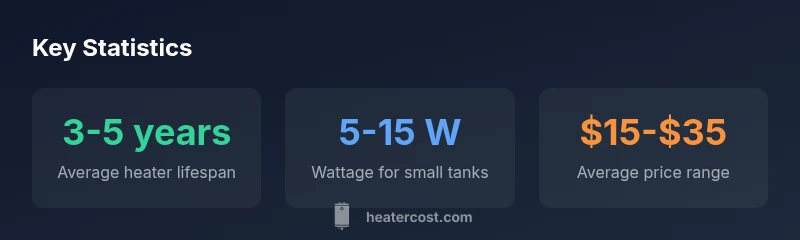
- Budget for $15–$35 depending on type and features