Do Betta Fish Need a Heater? A Practical Guide
Learn whether betta fish need a heater, the ideal temperature range, how to choose the right heater, setup tips, and maintenance for stable tropical conditions in your aquarium.


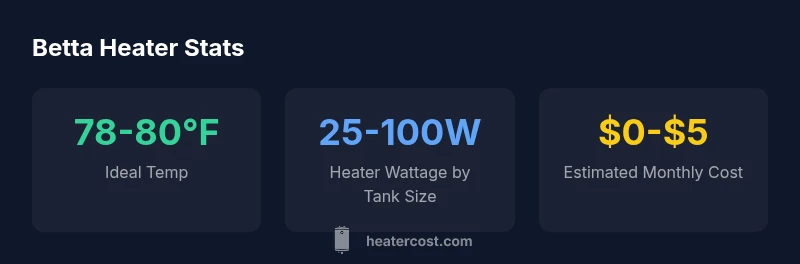
Do betta fish need a heater? In most home aquariums, yes. Bettas are tropical freshwater fish that prefer stable warmth. Aim for the 78–80°F (26–27°C) range. In rooms cooler than this, a heater with an adjustable thermostat is a practical investment to prevent cold stress. Even if your house seems warm, drafts or nighttime temperature drops can cause fluctuations that stress your betta.
Do betta fish need a heater?
Do betta fish need a heater? In most cases, yes. Bettas are tropical freshwater fish that thrive when water stays around 78–80°F (26–27°C). Stable warmth reduces stress, boosts metabolism, and helps prevent disease. If your room temps regularly fall below this range, a reliable heater with a thermostat is a smart, cost-effective investment. Even in warmer climates, sudden drops can occur at night or with drafts. This foundation matters because temperature is a primary driver of betta health, appetite, and coloration. A simple thermometer placed in the middle of the tank provides a continuous readout so you can spot any drift quickly.
For new hobbyists, this means prioritizing steady warmth over chasing a perfect number. Temperature control should be approached like any essential piece of equipment: reliable hardware, proper placement, and routine checks. When you do the math, the minimal energy cost of a small heater is often outweighed by the health benefits and reduced risk of fin rot, stress-induced illness, or poor appetite.
When a Heater Is Essential
There are several situations where a heater becomes essential for betta care:
- Room temperature swings: If your living space drops below the ideal range at night or during seasonal change, a heater helps stabilize the environment.
- Small tanks: In compact setups (5–10 gallons), a heater with tight temperature control is crucial because smaller bodies of water heat up and cool down faster.
- Breeding or illness: During breeding or illness recovery, stable warmth supports metabolism, digestion, and immune response.
- New tank setups: In a new aquarium, a heater reduces early stress and stabilizes the cycle by preventing cold snaps that disrupt beneficial bacteria and fish health.
Practical tips:
- Use a thermostat-controlled heater rather than a bulk unit with a dial you can misread.
- Place the heater near water flow from the filter to distribute heat evenly.
- Regularly monitor with a reliable thermometer to detect drift early.
Choosing the Right Heater: Wattage, Type, and Safety
Selecting the right heater is about efficiency, reliability, and compatibility with your tank:
- Submersible vs hang-on: Submersible heaters offer consistent heating and are easier to protect from water splashes; hang-on types can be simpler but may have less uniform heat distribution.
- Wattage vs tank size: Common guidelines allocate roughly 25-40W for 5 gallons, 50W for 10 gallons, and 100W for 20 gallons. Your exact fish load and decor can influence this, so start with a conservative estimate and adjust as needed.
- Thermostat accuracy: Look for heaters with an adjustable thermostat and an explicit accuracy rating (±1–2°F is preferable).
- Safety features: A built-in thermal cutoff, protective guards, and a tested-IP rating improve resilience against accidental contact or breakage.
Placement matters: keep the heater away from direct sunlight or recirculation zones to avoid hotspots. Always install a guard or cover if your tank houses curious bettas. Raising or lowering the set temperature gradually reduces stress when making adjustments.
Setting Temperature and Monitoring
Once your heater is installed:
- Target range: 78–80°F (26–27°C). Keep a narrow band and avoid large fluctuations.
- Monitoring routine: Check the tank temperature at least once daily for the first week, then reduce to 2–3 times per week for established setups.
- Thermometer choice: A digital stick-on thermometer or a floating glass thermometer with a large display helps you read temperatures quickly without lifting decorations.
- Stability tips: Group decors, plants, and filter outlets to promote even heat distribution. If you notice cold spots, adjust the heater position or add a second low-wattage unit for redundancy in large tanks.
Beware of overheating: temperatures above roughly 82–84°F (28–29°C) can stress bettas and reduce oxygen solubility in water. If you see signs of distress—rapid breathing, clamped fins, or lethargy—check the heater and consider cooling measures such as partial water changes or providing shade from afternoon sun.
Cost Considerations and Maintenance
Investing in a heater has ongoing costs and maintenance considerations. Key points:
- Energy costs vary with wattage, room temperature, and circulation patterns, but a well-sized heater often costs less than many common mistakes in betta care.
- Maintenance is straightforward: inspect the heater monthly for signs of wear, clean the reservoir and guard, and recalibrate the thermostat if readings drift.
- Longevity and replacement: Heaters typically last several years with proper care; replace if you notice malfunctioning thermostats, cracking, or obvious heat inconsistencies.
- Backup plan: In rooms with frequent cold snaps, have a backup heater or a secondary thermostat to prevent a complete failure from ruining the tank conditions.
From a cost perspective, the investment pays off in healthier fish, fewer disease episodes, and less stress on your filter and plant life. Heater quality and consistent use are central to long-term tank stability.
Practical Setup Scenarios for Common Betta Tanks
- 5-gallon cube: A compact 25–40W heater with a reliable thermostat is typically sufficient. Place it near the inlet of your filter to encourage even distribution of warm water; verify the temp with a thermometer.
- 10-gallon tall: A 50W heater often works well, especially if you have live plants or a screen lid. Maintain the same 78–80°F target and monitor in the first weeks.
- Larger tanks (20+ gallons): Consider 100W or two smaller heaters to ensure even heat. Use a thermometer in multiple regions of the tank and keep the thermostat aligned with a central panel if possible.
Creating a steady environment reduces sporadic stress responses in bettas, leading to more robust feeding, coloration, and activity. Remember that equipment is part of a broader care plan that includes water changes, filtration, and regular monitoring.
Heater sizing by tank size
| Tank Size (gal) | Recommended Heater (W) | Set Temp (°F) |
|---|---|---|
| 5 | 25 | 78-80 |
| 10 | 50 | 78-80 |
| 20 | 100 | 78-80 |
Got Questions?
Do betta fish need a heater?
Yes. Bettas are tropical fish and generally benefit from a heater to maintain a stable 78–80°F range, reducing stress and supporting health.
Yes, bettas usually need a heater to keep their water warm and stable.
What is the ideal temperature for a betta tank?
Aim for 78–80°F (26–27°C). Avoid temperatures that fall below 76°F or exceed 82°F.
Aim for about 78 to 80 degrees Fahrenheit.
Can a heater harm bettas?
If miscalibrated or poorly placed, a heater can create hot spots or overheating. Use a thermostat and guard
Yes, improper use can cause harm; use a thermostat and guard.
Is a heater necessary for a 5-gallon tank?
Yes. A small, well-regulated heater is important for stability in a 5-gallon betta tank.
For a 5-gallon tank, a heater is typically advised.
How should I maintain a betta heater?
Check temperatures regularly, clean guards, calibrate if readings drift, and replace if damaged.
Check it regularly and replace if faulty.
“A stable warm environment is the foundation of successful betta care; a quality heater paired with a precise thermostat minimizes stress and illness.”
The Essentials
- Keep a heater for most betta setups to maintain stable warmth.
- Target a narrow temperature range (78–80°F) for best health.
- Choose thermostat-controlled, properly sized heaters for your tank.
- Place heaters to promote even heat distribution and monitor regularly.
- Perform routine maintenance and be prepared with a backup plan if needed.