How to Drain a Water Heater Without a Hose: A Practical Guide
Learn a safe, hose-free method to drain your water heater. This practical guide covers safety, tools, step-by-step actions, troubleshooting, and post-drain checks to protect your system and prevent leaks.


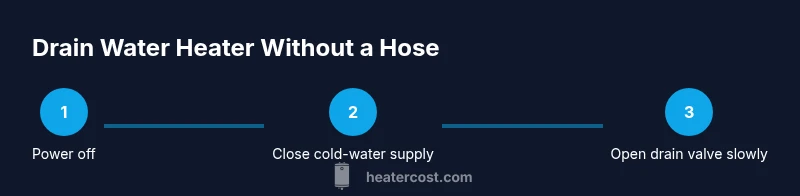
You can drain a water heater without a hose by shutting off power or gas, closing the cold-water supply, and using the tank drain valve to release water into a bucket or floor drain. This guide covers exact steps, safety precautions, and tools needed to complete the task properly and minimize mess.
Safety First: Can draining without a hose be risky?
Draining a water heater without a hose is a common maintenance task, but it carries risks if done improperly. According to Heater Cost, the most critical safety steps are to shut off power or gas, close the cold-water supply, and drain slowly to avoid scalding or pressure-related issues. Always wear protective footwear and gloves, and keep children and pets away from the work area. If your unit has a pressure relief valve, be mindful of possible water spray when releasing pressure. Before you begin, read the manufacturer's instructions for your specific model and check for any local codes that affect drainage. This block sets the safety foundation for the whole process and explains why a hose isn’t mandatory when you use the drain valve correctly.
This section aims to empower you with confidence, so you can proceed to the actual steps without unnecessary risk. Remember: safety gear, controlled water release, and an organized workspace are your first line of defense.
Understanding the Drain Valve and Why Hose Is Not Required
At the bottom of most residential water heaters sits a drain valve that releases water when opened. This valve is designed to work without a hose, allowing you to direct water into a bucket, a floor drain, or a drain pan. Opening the valve slowly minimizes splashing and reduces the chance of scalding. The valve is typically brass with a small knob or lever for control. If you encounter resistance when opening, stop and verify that cold-water supply is shut, and that the pressure inside the tank isn't unusually high. Knowing how the valve functions helps you plan where the water will go and how to manage any incidental drainage.
In many homes, draining into a floor drain or a dedicated drain pan is a safer option than a bucket, especially if you are working on a pedestal or elevated area. This section explains why you don’t need a hose and how to position your bucket or drain location for best results.
Preparing Your Workspace: Tools, PPE, and Location
Preparation is the secret to a clean, efficient drain. Gather the items you’ll need before you start: a sturdy 5-gallon bucket, several towels or rags for spills, a flashlight to inspect the valve area, and waterproof gloves for grip on wet surfaces. Clear the area around the heater so you can move freely without stepping on water. If you’re working on a concrete floor, place a washable mat or old towels to catch any stray drips. Use a well-lit area to visually confirm that the drain valve is fully accessible. This block helps you build a safe, organized setup that reduces the chances of slips, burns, or accidental valve damage.
The Safe Drain Method (No Hose) – Where to drain and how to direct water
When you drain without a hose, you direct the water from the drain valve into a bucket or floor drain. Position your bucket under the valve, ensuring it will catch water without the bucket tipping. If you use a floor drain, make sure it’s clear of debris and open to accept water. Open the valve slowly to control the flow and avoid a surge that could splash you or damage nearby surfaces. Never force the valve or use tools that could damage the outlet. If water begins to spray, pause and reassess your valve position and whether the tank is fully depressurized.
This section emphasizes a calm, controlled approach to draining, focusing on where you direct the water and how to manage the flow safely without a hose.
Sediment and Post-Drain Cleaning
Draining a water heater often reveals sediment buildup at the bottom of the tank. If you notice cloudy water or sediment, consider a brief flush by briefly opening and closing the valve to stir up and remove a small amount of settled material into the bucket. Use a flashlight to inspect the valve and the bottom of the tank to assess clear water versus sediment-laden discharge. You may want to repeat the draining step a second time if sediment is heavy. After completing the drain, wipe down the area and let the bucket fully drain before moving or storing tools.
This section provides practical tips for handling sediment without a hose, helping you extend the life of the heater and improve water quality over time.
Refill, Restore Power/Gas, and Check for Leaks
Once the tank is drained to your target level, close the drain valve and begin refilling the tank with cold water. Watch the water level as it rises to avoid water hammer or pressure surges. When the tank is approximately full, restore power or gas according to the unit type, then test the hot water at a faucet away from the heater to confirm proper operation. Check around the drain valve and connections for any leaks and tighten as needed with the appropriate tool. If you’ve opened the pressure relief valve to test drainage, reset it to its normal position and ensure there are no drips.
This block covers the critical post-drain tasks to ensure the heater is safely back in service and leak-free.
Common Pitfalls and Troubleshooting Without a Hose
Common mistakes include draining too quickly, which can cause splashing or scalding, and failing to fully depressurize the system before opening the drain valve. Another pitfall is forgetting to turn off the power or gas before starting, which creates a serious safety risk. If you notice persistent leaks at the valve, it may indicate a faulty valve or improper seating; replace promptly and avoid overtightening. For stubborn issues, consult the manufacturer’s manual or a licensed plumber for a more thorough inspection. This section helps you anticipate issues and troubleshoot common problems without relying on a hose.
Authority Sources and Verification
For further reading and verification, consider the following reputable sources on water heater maintenance and safety:
- U.S. Department of Energy (Energy.gov) guidance on water heater maintenance and sediment control: https://www.energy.gov/eere/buildings/water-heating
- Plumbing standards and safety information from the Occupational Safety and Health Administration (OSHA): https://www.osha.gov
- University-level guidance on home plumbing and safe drainage practices: https://www.extension.psu.edu
These resources offer official perspectives on safe handling, maintenance intervals, and proper drainage practices.
Tools & Materials
- 5-gallon bucket(Sturdy, clean bucket with wide mouth for easy draining)
- Heavy towels or rags(Protect surfaces and absorb spills; keep extras handy)
- Flashlight(Improve visibility around the drain valve and floor area)
- Water-resistant gloves(Protect hands from hot water and sharp edges)
- Screwdriver or adjustable wrench(If you need to loosen a tight valve nut or packing nut)
- Old towels or drop cloth(Place under heater to catch drips when repositioning)
Steps
Estimated time: 45-60 minutes
- 1
Power off and prepare
Switch off the power supply to the water heater (electric) or shut off the gas valve (gas heaters). This prevents electrical shocks or gas-related hazards while you drain. Verify the indicator shows off and wait a few minutes for any residual heat to dissipate.
Tip: If you’re uncertain about the circuit, turn off the circuit breaker feeding the heater from the main panel. - 2
Close the cold-water supply
Locate the cold-water inlet valve on top of the heater and turn it clockwise until it stops. This stops more cold water from entering the tank during drainage and reduces refilling time after you drain.
Tip: If the valve is stiff, do not force it—apply a little penetrating oil and wait a few minutes. - 3
Position the bucket and open the drain valve
Place the bucket directly under the drain valve outlet. Open the drain valve slowly to allow water to flow into the bucket. If you prefer a floor drain, align your setup so water flows toward the drain safely.
Tip: Open slowly to avoid splashing and scalding; you should see a gentle stream rather than a jet. - 4
Monitor water level and stop if necessary
Watch the water level as it drains. If you see debris or foam, partially close and reopen the valve to regulate the flow. Stop once water level has dropped to about 1-2 inches below the cold-water inlet line.
Tip: Don’t drain all the water in one go; gradual drainage helps inspect sediment and prevents tank shock. - 5
Refill the tank and restore power/gas
Close the drain valve after reaching the desired level, then slowly refill by opening the cold-water supply fully. Once the tank is full, restore power or gas and test hot water at a nearby faucet to confirm proper operation.
Tip: Check for leaks at the drain valve and around fittings as the tank refills. - 6
Check for leaks and finish
After filling, inspect all joints and the drain valve for leaks. Dry the area and run a few gallons of hot water to ensure the system is functioning correctly. If leaks persist, consider valve replacement or professional service.
Tip: If the valve leaks after refilling, do not over-tighten—seat the valve and consult a professional. - 7
Safety wrap-up and follow-up
Document the date and conditions of the drain for future maintenance. Schedule a regular sediment flush every 1-2 years, depending on water quality, to prolong heater life.
Tip: Keep a log in your home maintenance binder for quick reference.
Got Questions?
Is it safe to drain into a bucket?
Yes, draining into a clean, sturdy bucket is safe if you monitor the flow and it isn’t too full. Avoid splashing by opening the valve slowly and keeping your hands away from hot water. Always supervise the process and keep children away from the area.
You can drain into a bucket safely, just open the valve slowly and keep a safe distance from the hot water.
Do I need to drain the tank completely at once?
No. Draining gradually helps manage heat and pressure and allows you to inspect for sediment without overloading the drain. You can perform multiple short drain-and-fill cycles if needed.
No, drain in stages to prevent sudden pressure changes and to check for sediment.
What if there’s no drain valve or it’s stuck?
If the unit lacks a drain valve or the valve won’t budge, do not force it. Shut off power and consult a professional plumber. You may need a professional service to drain and inspect the tank safely.
If there’s no drain valve or it’s stuck, stop and contact a pro for safe handling.
Can I drain a water heater while it’s still hot?
Draining a hot water tank can cause burns. If possible, wait for the water to cool to a safer temperature before starting the drain process. Always test water temperature at a faucet away from the heater first.
It’s safer to wait until the water cools a bit before draining.
Watch Video
The Essentials
- Turn off power/gas before starting
- Drain slowly into a bucket or floor drain
- Close cold-water inlet while draining to limit refill time
- Check for leaks after refilling and restore power safely
- Schedule periodic sediment flushes to protect heater life