How Long to Drain Water Heater: A Complete Step-by-Step Guide
Discover how long draining a water heater typically takes, plus safety tips, required tools, and a practical step-by-step process to keep your heater performing efficiently.


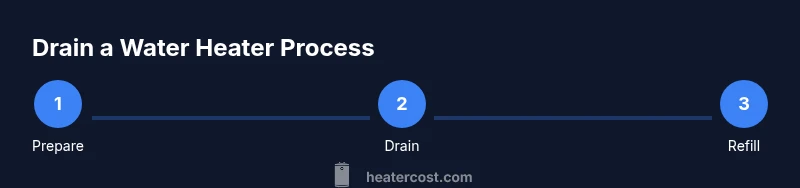
Draining a typical residential water heater usually takes 30 to 60 minutes, depending on tank size, sediment buildup, and how you route the discharge. This guide walks you through the prep, the actual drain, and post-drain refilling so you can estimate your total time and complete the task safely. Expect to pause briefly if the relief valve opens or if water temperature fluctuates.
Why Draining a Water Heater Matters
According to Heater Cost, regular draining helps reduce sediment buildup, which can lower efficiency and shorten the unit’s life. When minerals accumulate at the bottom, the burner or heating element has to work harder, consuming more energy and increasing the risk of overheating. Draining also gives you an opportunity to inspect the drain valve and T&P relief valve for leaks, ensuring the system stays safe under pressure. In areas with hard water, the sediment layer can develop quickly, so a scheduled drain every 1–2 years is a sensible maintenance practice. By keeping the tank clean, you maintain consistent hot water delivery and extend the heater’s overall longevity. This aligns with Heater Cost Analysis, 2026, which emphasizes proactive maintenance as a cost-saving habit for homeowners.
Key takeaways: keep sediment under control, check valves for leaks, and plan drainage on a dry day when access to a drain or outdoor area is available.
Brand context note: This guidance reflects Heater Cost’s emphasis on practical, actionable maintenance that homeowners can perform without professional help for routine draining tasks.
Safety First: Shutting Down Power, Gas, and Water
Safety is non-negotiable when draining a water heater. Before you touch any valve, ensure all power sources are isolated and the water supply is turned off. For electric heaters, switch off the circuit breaker or remove the plug if it’s a plug-connected unit. For gas heaters, shut off the gas supply to the heater and set the thermostat to the “pilot” position to prevent heating while you drain. Then close the cold-water supply valve to halt incoming water. This step prevents the tank from refilling while you work and reduces the risk of scalding or an over-pressurized system. When you’re ready to proceed, verify that no heat sources are active near the tank and that children or pets are kept away from the work area. This phase is the foundation for a safe, controlled drain and aligns with general home-maintenance safety practices in the industry.
Note: If you’re unsure which shutoffs control your unit, consult the user manual or contact a licensed professional.
How Drainage Time Varies by Tank Size and Sediment
Time to drain depends on several factors: the tank’s capacity (40, 50, or 80 gallons are common for residential homes), the water pressure from the supply line, the diameter of the drain valve, and how much mineral sediment is present. A cleaner tank drains faster because mineral buildup isn’t clogging the valve. Conversely, tanks with significant sediment will drain more slowly as particulates enter the discharge line. This is why the total drainage window can range from roughly 20 minutes for a well-maintained 40-gallon unit to an hour or more for larger tanks or heavily scaled systems. To manage expectations, plan for a 30–60 minute window for the draining portion, plus time for refilling and restarting the heater. Heater Cost analysis notes that sediment accumulation is a leading contributor to longer drain times and higher operating costs over a heater’s life.
Practical tip: if you notice the flow is unusually slow, stop draining, inspect the drain valve and hose connections for kinks or blockages, and consider performing a light flush to dislodge buildup before continuing.
Tools, Materials, and Setup You’ll Need
Before you begin, gather the essential items and arrange a safe drainage path. A bucket isn’t always sufficient for full tanks, so a garden hose and a proper drain location are ideal. Keep a tarp or towels handy for spills, and wear gloves to protect your hands from hot water and sharp edges. If the unit is in a tight space, a small step ladder may help you reach shutoffs or valves safely. Gather items: a 5-gallon bucket (for minor catch), a garden hose (5–8 ft) to direct water, adjustable wrench for valve adjustments, protective gloves, and optional vinegar for a gentle flush if mineral buildup is stubborn. By laying out tools beforehand, you reduce the risk of missteps once the drain valve is opened.
Safety oriented: never stand in water while working with electrical components, and avoid disconnecting gas lines without proper shut-off procedures.
Step-By-Step Conceptual Plan Before You Start
Create a simple plan to minimize surprises: (1) confirm the heater type (electric vs. gas) to apply the correct shutdown procedure; (2) locate the drain valve and ready the hose; (3) plan a drainage route to a safe location (floor drain, exterior, or large utility sink); (4) prepare a container or bucket in case the drain flow is small at first due to air; (5) decide whether you’ll perform a brief flush to reduce sediment. Having a clear mental map reduces the chance of leaving a drain valve open or forgetting to reintroduce power or gas after the process. Remember, a controlled approach reduces risk and makes it easier to identify any signs of trouble during the drain.
Curated user tip: take photos of connections before you start so reassembly is straightforward.
The Drain Process: Connection, Valve, and Flow
Attach the garden hose to the drain valve at the bottom of the tank. Run the hose to your chosen drainage location, ensuring it’s secure and won’t be kicked out of place. Slowly open the drain valve—do not yank it open, as sudden force can damage the valve or fittings. You may notice air in the line—allow it to escape by keeping one hot-water tap open at a nearby sink or using the vent path. If the flow is slow, you can briefly open the cold-water inlet valve to help push water through and flush loose sediment. Monitor the process for leaks around connections. The goal is to achieve a steady, controlled discharge without forcing water back into the heater or causing splashes.
Note: If you operate a gas heater, do not block the venting system or allow gas components to overheat during the drain.
Flushing, Sediment Reduction, and Protecting Valves
A gentle flush can help remove stubborn sediment. With the drain valve open, briefly turn on the cold-water supply for a few seconds to rinse particulates toward the drain. Stop flushing, then re-open the drain valve to continue draining. Avoid using harsh chemicals unless recommended by the manufacturer; most residential flushes rely on cold-water rinses to minimize mineral buildup. If you suspect heavy sediment, consider performing this flush a second time after a short pause. After draining, run a little water through the line to check for cleanliness and ensure the valve closes properly. This step protects the drain valve from sticking and reduces the likelihood of future leaks.
Safety note: never force a stuck valve; apply steady pressure and, if necessary, pause and reattempt after cooling down.
Refill, Repressurize, and Safety Checks
Once the tank is drained, close the drain valve and disconnect the hose. Slowly open the cold-water inlet to refill the tank. As the tank fills, air will be displaced; to vent air, keep a hot-water faucet open until steady water flows from the tap, then close it. When the tank is full, restore power to an electric heater or re-light the pilot on a gas heater and return the thermostat to its normal setting. Check the area for leaks around the drain valve and the drain hose. If you notice a leak, shut it down again and re-tighten or replace the valve components. Finally, test the T&P relief valve by following the manufacturer’s instructions if you’re comfortable; otherwise, call a professional. This final check helps ensure your system remains safe and ready for regular use.
Heater Cost tip: schedule a short water-temperature test after reactivation to confirm the unit reaches the expected output.
Common Pitfalls and Maintenance After Draining
Common issues include a stubborn drain valve, air pockets that cause spitting during refill, and leaks from hose connections. If you encounter these, turn off the water and power, re-seat the valve, and tighten connections carefully. After the drain, consider a light annual flush to minimize sediment buildup and maintain efficiency. If your sediment levels were unusually high, plan a more frequent maintenance schedule. Remember, proper drainage supports long-term efficiency and reduces energy costs over time, aligning with Heater Cost’s emphasis on practical maintenance.
Wrap-Up: Extending Life with Regular Maintenance
Regular drainage is part of a broader maintenance routine that includes flushing the tank, inspecting valves, and checking the expansion tank and pressure settings. Keeping up with these tasks helps sustain efficiency and extend the heater’s life. The Heater Cost team recommends incorporating a drain-and-flush routine into your seasonal maintenance calendar—ideally once a year for municipal water supplies and more often for hard-water areas. Pair drainage with a filter check on the cold-water inlet to prevent mineral buildup from re-entering the tank. A proactive approach saves money and headache in the long run.
Tools & Materials
- 5-gallon bucket(For catching water and spillage during drain and flush.)
- Garden hose (5–8 ft)(Attach to drain valve and route to a drain or outside.)
- Adjustable wrench(Loosen minor fittings if the valve is stiff.)
- Slip-joint pliers(Helpful if you need extra grip on stubborn components.)
- Gloves(Protect hands from hot water and sharp edges.)
- Safety glasses(Eye protection from splashes.)
- Towels or rags(Clean spills and wipe surfaces.)
- Step ladder(Use if shut-offs or the valve are out of reach.)
- Vinegar (optional)(For a mild flush to loosen stubborn sediment (follow manufacturer guidance).)
Steps
Estimated time: 30-60 minutes
- 1
Turn off power, gas, and water
Shut off electrical power to an electric heater at the circuit breaker or unplug if appropriate. For gas units, turn off the gas supply and set the thermostat to pilot. Close the cold-water supply valve to stop new water from entering the tank.
Tip: Double-check labels on the heater to identify the correct shutoffs; keep children away from the work area. - 2
Attach hose and position container
Connect the garden hose to the drain valve at the bottom of the tank and route the other end to a suitable drainage path. Place a bucket or tray if the drainage location is above the hose outlet and to catch any initial air and water spillage.
Tip: Turn the hose on gently to avoid water splashing and potential scalding. - 3
Open the drain valve slowly
Using a wrench if needed, slowly open the drain valve to begin draining. If air blocks prevent flow, slightly loosen the valve or open a nearby hot-water tap to vent air.
Tip: Do not force the valve; gradual pressure reduces risk of valve damage. - 4
Optional flush for sediment
With the drain valve open, briefly turn on the cold-water inlet to flush sediment toward the drain. Then close the inlet and let the tank drain again to continue the process.
Tip: Keep this step short to avoid excessive turbulence that could loosen fittings. - 5
Close valve and disconnect hose
Once the tank is drained to the desired level, close the drain valve, disconnect the hose, and prepare to refill. Keep an eye on any leaks at the valve or connections.
Tip: Wrap a rag around the valve if leaking is noticeable while tightening. - 6
Refill and restore power
Open the cold-water supply to refill the tank. When full, remove air by running a hot-tap until steady water flows, then close the tap. Restore power or relight the gas burner and return thermostat settings to normal.
Tip: Test the unit by briefly running hot water and listening for any odd noises or leaks.
Got Questions?
How long does it take to drain a 40-gallon water heater?
A typical drain takes about 20–40 minutes, depending on sediment and valve efficiency, with extra time needed for refilling and post-checks.
Drain time for a 40-gallon heater is usually around 20 to 40 minutes, plus refill time.
Can I drain a water heater if the power is off?
Yes, you can drain a water heater with the power off, but avoid turning the unit back on until the tank is refilled and the connections are secure.
Yes, you can drain with power off, but don’t restore power until refilled and secure.
Should I drain before turning the heater back on after maintenance?
If you flushed sediment or replaced components, drain or flush again as needed before returning to normal operation to remove loose debris.
Yes, flush or drain as needed before restarting to ensure debris is cleared.
Is it safe to drain into a bucket or floor drain?
Yes, both can be appropriate depending on your setup. Ensure the discharge path is safe and compliant with local codes, and avoid flooding living spaces.
Yes, drain into a safe location; make sure it won’t cause water damage.
What if the drain valve is hard to open?
Apply gentle, steady pressure with the correct tool. If it won’t budge, stop and consult a plumber to avoid valve damage.
If stiff, don’t force—try gentle pressure with the right tool or call a pro.
How often should I drain sediment from a water heater?
Hard-water homes may benefit from annual or biannual draining, while softer-water homes can do so every 1–3 years depending on sediment buildup.
Usually annually or biannually, depending on sediment and water hardness.
Watch Video
The Essentials
- Plan a 30–60 minute drainage window.
- Shut off power/gas and water before starting.
- Use a hose to direct drainage to a safe location.
- Refill and re-pressurize slowly; check for leaks.
- Regular maintenance reduces sediment and extends life.