Water Heater Installation: A Complete Step-by-Step Guide
Learn how to install a water heater safely and code-compliant, covering planning, tools, step-by-step procedures, maintenance, and common pitfalls for homeowners, renters, and property managers.


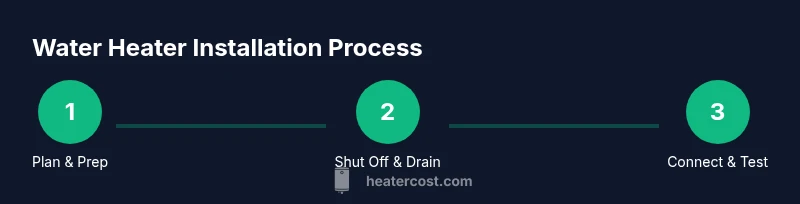
By following this guide, you will learn how to install a water heater safely and to code. You will shut off power and water, drain the old unit, connect the supply and discharge lines, make gas or electrical connections, vent for gas models, and test for leaks and proper operation. The approach emphasizes safety, the right tools, and post-install maintenance.
Why water heater installation matters
Installing a water heater correctly affects safety, efficiency, and comfort. A proper install minimizes leaks, ensures correct venting and exhaust flow (for gas models), and helps the unit operate at its rated energy efficiency. It also supports warranty coverage and code compliance, reducing risk during home inspections or insurance claims. This section explains the core reasons homeowners, renters, and property managers should plan ahead, review local rules, and follow manufacturer instructions to avoid common pitfalls. A well-executed installation can reduce energy waste, improve hot-water recovery times, and prevent costly damage caused by improper venting or pressure issues. Throughout the process, documentation and verification steps help protect both residents and property owners in the long term.
Key considerations before you start
Before you begin, take stock of the installation site, choose the right type and size, and confirm required clearances. Consider fuel type (electric vs gas), venting needs for gas units, electrical service capacity, and local permit requirements. Check the cold-water supply valve, expansion tank requirements, and the safety relief valve. Plan for drainage, accessibility for future maintenance, and safe routing of venting or exhaust. Finally, identify which professional trades may be involved in your area and whether a permit is needed. By mapping out these details first, you can avoid delays and ensure a smoother installation process.
Choosing the right water heater for your home
Water heaters come in several configurations: storage tanks, tankless on-demand, heat pump variants, and solar-assisted models. A tanked unit stores hot water and delivers it on demand; a tankless unit heats water as it flows, which can save space and energy in some homes. When selecting capacity, consider peak draw, family size, and recovery rate. Pay attention to energy efficiency ratings and replacement parts availability. If you use natural gas, check venting compatibility; for electric units, ensure your electrical panel can handle the load and space-saving options exist. A balanced choice considers upfront cost, long-term energy use, and maintenance needs.
Safety, permits, and code compliance
Gas or electric water heater work is regulated for safety. Always shut off the correct utility and, if you are unsure, consult a licensed professional. Permits may be required; failure to obtain permits can affect insurance, warranties, and resale. Venting, gas line integrity, seismic straps, and proper clearances must meet local codes. Use proper piping materials and fittings, avoid improvised shortcuts, and document inspections or permit closures for future reference. Following code requirements protects occupants, reduces liability, and helps ensure reliable performance.
Authority Sources
Energy.gov provides guidance on water heating efficiency and installation considerations. The EPA offers resources on indoor air quality and safety related to home improvements, including combustion byproducts and ventilation. OSHA outlines general safety practices for home repair work that can reduce injury risk during installations. These sources offer foundational context for safety, efficiency, and compliance during water heater installation.
- Energy.gov – Water heating and efficiency guidelines (https://www.energy.gov/energysaver/water-heating)
- EPA – Indoor air quality and safety resources (https://www.epa.gov)
- OSHA – Workplace safety guidelines for home repair work (https://www.osha.gov)
Common installation safeguards and post-install steps
After installation, verify all connections are tight and check for leaks with the system pressurized. Purge air from water lines and ensure the T&P valve and discharge piping are properly installed and functional. Set the thermostat to a safe temperature and confirm the unit lights or powers on without unusual noises. Keep manuals and permit closures accessible for future maintenance or inspections.
Tools & Materials
- Pipe wrench (adjustable)(2-4 inch capacity, used for tightening fittings)
- Pipe cutter(Copper or PVC/PEX pipes depending on system)
- PEX or CPVC piping(As needed for your setup)
- T&P relief valve and discharge piping(Required by code; ensures safety against overpressure)
- Expansion tank(Often required; helps manage thermal expansion)
- Soldering kit or crimp tool(Use with copper or compatible fittings)
- Gas line sealant/pipe dope or electrical connectors(Gas models require proper sealing; electric models require proper strain relief and connections)
- Safety gear(Gloves, safety glasses, and ventilation awareness)
- Voltage tester(Verify circuits before touching wires)
- Water heater installation manual(Manufacturer guidance specific to your unit)
Steps
Estimated time: 90-180 minutes
- 1
Shut off utilities
Power must be cut at the breaker panel or service disconnect and the cold-water supply valve for the heater should be closed. This prevents electrical shock, gas leaks, or scalding water as you work. Confirm there is no voltage at circuit terminals using a tester before touching wires.
Tip: Label breakers and valves and take a photo of current connections for reference. - 2
Drain and detach the old unit
Attach a drain hose to the tank drain valve and open the valve to drain. Catch residual hot water in a bucket if needed. Disconnect cold and hot water lines, but do not remove fittings yet.
Tip: Do not open the drain valve while still connected to energy source. - 3
Disconnect fuel or electrical lines safely
For gas units, shut off the gas supply and cap the line; for electric units, disconnect power at the breaker and remove heating elements if present. Ensure the area is well-ventilated and free of ignition sources.
Tip: Never work on live gas or electric lines; verify with a tester. - 4
Remove old unit and prep space
Carefully lift the old heater out of position and inspect the mounting area for levelness, clearance, and vent alignment. Clean the space and repair any damaged framing or rust before installing the new unit.
Tip: Use proper lifting techniques and seek assistance for heavy units. - 5
Position the new water heater
Place the new unit in the prepared space, ensuring it is level and aligned with the vent (for gas) and piping routes. Install seismic straps if required by code. Leave enough room to access the top and sides for future maintenance.
Tip: Place the heater height to allow easy access to controls and connections. - 6
Install venting and gas/electrical connections
Attach the venting assembly (for gas models) and connect electrical wiring or gas line per manufacturer instructions. Use proper fittings, sealants, and strain relief where applicable; avoid over-tightening that could damage components.
Tip: Follow the exact torque and sealant guidelines in the manual. - 7
Connect water lines and safety components
Connect the cold water inlet and hot water outlet with correct piping, install the expansion tank if required, and set up the T&P relief valve discharge line per code. Ensure all joints are watertight and free of leaks.
Tip: Use Teflon tape or approved sealant on threaded connections as directed. - 8
Fill, purge air, test, and finalize
Slowly open the cold-water valve and allow the tank to fill completely; bleed air from the system until water runs steady. Reconnect power or relight the gas burner, and verify correct operation and temperature setting. Inspect for leaks and perform a final safety check.
Tip: Do not rush the fill process; air pockets can damage the system.
Got Questions?
Do I need a permit to install a water heater?
In many jurisdictions, a permit is required for water heater installation to ensure safety and code compliance. Check your local building department for specifics before starting.
Yes, most places require a permit for water heater installation. Check with your local building department.
Can I install a water heater myself or should I hire a professional?
Easy electric installations or simple swap-outs can be DIY if you have electrical or gas experience and follow manufacturer instructions. Gas and venting work often require licensed professionals due to safety and code compliance.
It depends on your experience and local rules. For gas or complex electrical work, hire a licensed pro.
What maintenance is recommended after installation?
Regularly inspect connections, test the pressure relief valve, and flush sediment from the tank as advised by the manufacturer. Schedule annual or semi-annual checks to keep efficiency high and reduce leaks.
Inspect connections, test safety valves, and flush sediment per the manual. Routine checks help prevent leaks.
What certifications or permits are needed?
Electrical or gas work may require system-specific permits and certifications. Local codes may specify qualifications for installation and inspection requirements.
Your local codes may require permits and licensed professionals for electrical or gas work.
What are common installation mistakes to avoid?
Avoid skipping venting or expansion tank installation, using improper piping materials, or overtightening connections. Improper venting and leaks are the top risks.
Don't skip venting or expansion tanks, and avoid improper materials or overtightened joints.
How long does installation typically take?
Installation duration varies with model and site readiness. A straightforward swap can take a few hours, while complex setups with gas lines or venting may take longer.
A simple swap is usually a few hours; complex gas venting takes longer.
Watch Video
The Essentials
- Plan permits and code requirements before starting
- Shut off utilities and test all connections for leaks
- Choose the right heater type and size for your home
- Install venting, expansion tank, and safety devices correctly
- Test run and document the installation for safety and maintenance