Electric Water Heater Installation: A Homeowner's Guide
A practical, code-aware guide for installing an electric water heater at home, covering permits, wiring, mounting, testing, and maintenance with safety tips and cost considerations.


Install an electric water heater safely and code-compliant. This guide covers required permits, electrical connections, mounting, and start-up tests. You'll learn planning steps, important safety checks, and how to prevent leaks or shorts. By following these steps, homeowners can complete a reliable install with confidence—and reduce future maintenance surprises for lasting performance and safety.
Why Electric Water Heater Installation Matters
A correctly installed electric water heater protects your home from leaks, electrical hazards, and energy waste. A compliant installation ensures long-term reliability, efficient operation, and adherence to local codes. According to Heater Cost, safe electric water heater installations rely on proper electrical connections, adequate clearances, and high-quality fittings. When you install a unit that matches your household demand and the electrical service, you reduce the risk of unexpected outages and costly repairs. This section outlines why a careful, code-conscious approach benefits homeowners, renters, and property managers by delivering dependable hot water and peace of mind.
Permits, Codes, and Planning
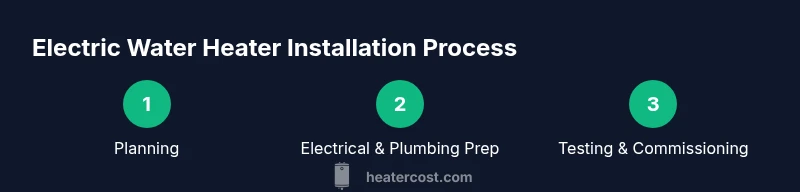
Permits and codes vary by location, so start by contacting your local building department or the utility. You may need a permit for replacing or upgrading a water heater, especially if electrical or plumbing work is involved. Planning includes verifying space for the new unit, ensuring proper ventilation (if required by local rules or the unit type), and confirming that your electrical panel can accommodate a dedicated circuit. Budget for essential components such as the heater, electrical wiring that meets code, and safe shutoff valves. Heater Cost analysis shows that proper permits and planned work help you avoid rework, fines, or safety hazards later on. Keep documentation handy for inspections and warranty claims.
Electrical System Prep
Before you install, inspect the electrical system to confirm a dedicated 240V circuit is available for the water heater. Identify a path for wiring from the panel to the heater location that minimizes exposure to moisture and physical damage. Use the correct wire gauge and circuit protection as specified by the manufacturer and local code. A licensed electrician can verify service capacity and install a proper disconnect, ensuring the heater cannot be energized while work is in progress. This preparation reduces the risk of short circuits, nuisance tripping, and electrical fires.
Sizing and Selecting the Right Unit
Choose a heater size based on household hot water demand, the number of simultaneous users, and the recovery rate of the unit. A larger family may require a higher-capacity model with faster recovery, while smaller households can often manage with a modestly sized unit. Consider the first-hour rating and recovery rate rather than just tank size. Always match the heater’s electrical requirements to your available service and wiring. Proper sizing improves energy efficiency, reduces temperature fluctuations, and extends unit life.
Installing the Electric Water Heater
If you are replacing an old unit, prepare the installation site by turning off the power at the main panel and shutting off the cold-water supply. Remove the old heater and clean the area. Mount the new heater on a sturdy base or wall rack, ensuring level placement and accessible connections. Run wiring from the breaker to the heater’s junction box, following the manufacturer’s instructions and code requirements. Make sure the disconnect is within sight of the heater and that all connections are tight and protected from moisture. This section highlights the high-level steps and emphasizes safety and code compliance.
Water Connections and Safety Valves
Connect the cold-water supply to the heater using approved fittings, ensuring a leak-free seal with thread sealant where appropriate. Attach the hot-water outlet to the home’s hot-water distribution system. Install or verify the temperature-pressure relief valve and an expansion tank if required by local code or the system design. Check for any leaks after all fittings are tightened. The T&P valve should vent to a safe location and be unobstructed. Proper water connections prevent leaks and maintain system safety over time.
Commissioning and Testing
Refill the tank slowly to purge air from the lines, then resume normal pressure. Restore power and verify the heater operates as expected, with hot water at the fixtures within a reasonable time. Check for leaks around connections, valve fittings, and the relief valve. Test the temperature setting to avoid scalding hazards. If anything seems off, shut power again and re-check connections. A careful test routine helps catch installation issues before they become problems.
Maintenance and Longevity
Regular maintenance extends the life of an electric water heater. Schedule a yearly flush to remove sediment, inspect the anode rod (if applicable), and verify thermostat settings. Replace worn components promptly and keep the area around the heater clean and dry to minimize corrosion risks. Warranty terms often require professional installation, so keep receipts and documentation. Consistent maintenance reduces energy waste and improves reliability over time.
Common Mistakes and How to Avoid Them
Common mistakes include skipping permits, miswiring the circuit, over-tightening connections, and neglecting the expansion tank when required. Ensure a dedicated circuit and proper disconnect are present, and never work on energized components. Verify that all fittings are compatible with your piping material and that the heater is properly vented if code requires it. Following a planned, code-approved process reduces rework and safety concerns. As Heater Cost notes, paying attention to permits, fittings, and safety valves helps prevent costly mistakes.
Tools & Materials
- Double-pole 240V circuit breaker(Check panel capacity and amperage per manufacturer spec)
- Wiring rated for 240V (per local code)(Commonly 10- or 12-gauge, confirm with a licensed electrician)
- Junction box and proper connectors(Use listed, weather-protected components near connections)
- Flexible water heater connector or approved piping(Diameter and material per unit and code)
- Copper or CPVC water supply pipes (PEX acceptable if code allows)(Clean cuts and proper fittings)
- T&P relief valve and expansion tank (if required)(Positioned per code and manufacturer guidance)
- Pipe tape (PTFE) and pipe dope(Seal threaded connections before tightening)
- Wrench set and screwdrivers(Include adjustable wrench and basin wrench for fittings)
- Pipe cutter or hacksaw (as needed)(For cutting copper or CPVC pipes)
- Voltage tester and multimeter(Verify power is off before touching wiring)
- Leak detector or soapy water for quick leak checks(Use during test runs)
Steps
Estimated time: 3-6 hours
- 1
Verify electrical service and permits
Confirm you have a dedicated 240V circuit and the correct disconnect. Check whether a permit is required for electrical and plumbing work in your area, and schedule inspections as needed.
Tip: If in doubt, contact a licensed electrician to confirm service availability before starting. - 2
Shut off power and water, and prep workspace
Turn off power at the main panel and switch off the cold-water supply to the heater. Clear the area of stored items and protect floors from spills with a drop cloth.
Tip: Never work on live wiring. Use lockout/tagout procedures when possible. - 3
Remove old heater or prepare new mount
If replacing, disconnect and remove the old unit, drain any remaining water, and clean the mounting area. If mounting a new unit, ensure a level, secure surface and access for connections.
Tip: Take photos of existing connections for reference during reassembly. - 4
Install electrical supply and disconnect
Mount the electrical disconnect within sight of the heater and run conductors from the panel to the heater junction box. Secure the wiring, trim excess, and route away from heat sources or moisture.
Tip: Use strain reliefs and strain-free conduit bends to avoid wire damage. - 5
Connect water supply lines and safety devices
Attach cold-water inlet and hot-water outlet with appropriate fittings. Install the T&P relief valve and expansion tank if required. Check fittings for leaks before proceeding.
Tip: Wrap threads with PTFE tape and tighten gradually to avoid leaks. - 6
Fill the tank and purge air
Open the cold-water supply and allow the tank to fill slowly, venting air until water runs steady at the hot taps. Close the bleeder and ensure all connections are snug.
Tip: Keep a bucket handy to catch any initial leaks during filling. - 7
Restore power and test operation
Turn on the power and set the thermostat to a safe temperature. Verify that hot water arrives at fixtures within a reasonable time and recheck all fittings for leaks.
Tip: Test the relief valve and ensure the discharge path is unobstructed.
Got Questions?
What permits do I need to install an electric water heater?
Permit requirements vary by location. Check with your local building department for electrical and plumbing permits, and schedule inspections as required by code.
Permit needs vary by location. Check with your local building department for electrical and plumbing permits and schedule inspections as required.
Can I install an electric water heater myself?
DIY installation is possible in some areas, but many jurisdictions require a licensed electrician for electrical connections and a licensed plumber for water connections. Always verify local rules before starting.
DIY installation is possible in some areas, but many places require a licensed electrician and plumber. Always check local rules first.
What size unit should I choose for a family home?
Select a unit based on peak hot-water demand and recovery rate rather than tank size alone. Consider the number of simultaneous users and your household usage patterns.
Choose based on peak hot-water demand and recovery rate, not just tank size. Think about how many people use hot water at once.
Is an expansion tank always required?
An expansion tank may be required by local codes or if the system has high water pressure or backflow risks. Check code requirements and consult a professional.
Expansion tanks may be required by code or if you have high water pressure. Check your local rules and consult a pro.
How long does installation typically take?
Time varies with unit size and existing plumbing, but plan for several hours including a test run and safety checks. Have a flexible schedule.
Installation usually takes several hours, depending on unit size and existing plumbing. Plan for a thorough test.
What maintenance is recommended after installation?
Flush the tank annually, inspect the anode rod if applicable, and verify thermostat settings. Keep the area dry and check for leaks regularly.
Flush yearly, inspect components, and keep an eye on leaks. Check thermostat settings periodically.
Watch Video
The Essentials
- Plan before starting to avoid rework
- Ensure a dedicated 240V circuit and proper disconnect
- Properly size and mount the heater for safe operation
- Leak checks and air purging prevent future issues
- Maintain regular maintenance for longevity