How to Install a Heater Shower: A Homeowner's Step-by-Step Guide
Learn how to install a heater shower safely with a practical, homeowner-friendly plan. This guide compares electric, gas, and tankless options, covers permits, wiring, plumbing, testing, and maintenance for a reliable hot-water shower.


This guide shows how to install a heater shower by selecting the right type (electric, gas, or tankless), confirming electrical and plumbing readiness, obtaining permits when needed, mounting the unit, tying in water lines and drainage, wiring safely, testing for leaks, and setting up safe temperature controls. Expect to follow code requirements, use proper fittings, and plan for a professional check if required in your area.
Overview: What a heater shower is and why homeowners install it
According to Heater Cost, a heater shower combines a compact heating unit with the shower supply to deliver on-demand hot water. It can save space and reduce standby energy consumption compared with traditional storage tanks. Homeowners choose a heater shower to improve comfort in small bathrooms, provide more consistent hot water during peak usage, and simplify retrofit projects. This section outlines the basic concepts you’ll encounter when learning how to install heater shower and what to expect during the process. By understanding the core ideas, you’ll make better material and sizing choices for your home.
Electric vs. gas vs. tankless: choosing the right heater shower for your home
Heater showers come in electric, gas-powered, and tankless configurations. Electric units are typically easier to install when you have a readily available circuit or a dedicated breaker, but they may have limited hot-water flow for larger households. Gas-powered models can offer higher flow but require proper venting and a gas supply. Tankless variants provide continuous hot water from a compact unit but require correct sizing and professional installation. When deciding how to install heater shower, compare operating costs, space, venting needs, and available fuel sources for your home. Consider future-proofing by selecting a model with a compatible warranty and service network.
Permits, Codes, and Safety Prerequisites
Before you begin, check your local building department for permit requirements related to electrical, plumbing, and venting work. Many jurisdictions mandate inspections after installation and may require licensed trades. Safety guidelines emphasize proper clearances from combustibles, correct venting for gas models, GFCI protection for electric units, and adherence to manufacturer installation manuals. Failing to obtain permits or follow code can lead to failed inspections or warranty voiding. Heeding these prerequisites minimizes risk and helps ensure a long-lived installation.
Tools, Materials, and Planning
Prepare a complete list of tools and materials before starting. A well-planned project reduces delays and mistakes. Essential items include basic hand tools, measurement devices, and a dedicated electrical circuit with GFCI protection. For plumbing, you’ll need compatible piping, fittings, shut-off valves, pipe thread tape, and sealants. Keep a copy of the heater’s installation manual handy to verify torque, clearance, and venting requirements specific to your model. Planning also means checking the space for adequate access to service the heater in the future.
Step-by-step overview before you start
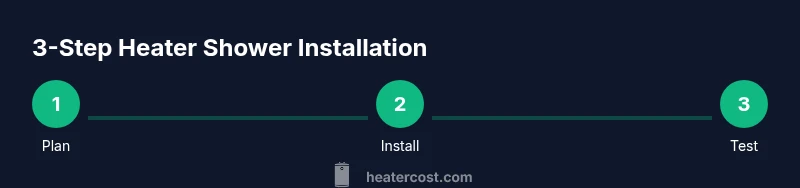
The installation involves three main phases: planning and safety checks, physical installation, and testing and commissioning. During planning, confirm permits and gather all materials, double-check clearances around the heater, and verify electrical and plumbing routes. Physical installation covers mounting, water connections, venting as needed, and wiring. Finally, testing ensures there are no leaks, electrical faults, or safety devices out of spec before you use the shower regularly. This overview keeps you focused and helps prevent common missteps.
Install the heater unit: mounting, venting, and water connections
Mount the heater on a solid wall in a location that allows easy access for service and complies with clearance requirements. Securely anchor the unit with appropriate fasteners and follow the manufacturer’s torque specifications. Connect the cold supply to the heater inlet and the hot outlet to the shower line, using approved fittings and sealants. Install any required venting or exhaust components for gas models and ensure there is no obstruction. Use Teflon tape or approved sealant on threaded connections and verify there are no kinks in flexible hoses. This step establishes a safe, serviceable core for your heater shower.
Electrical connections, GFCI, and wiring considerations
Isolate power at the main panel before beginning any electrical work. Use a dedicated circuit for the heater shower with proper gauge wire as specified by the unit’s instructions. Route conductors safely, avoid sharp bends, and seal penetrations to prevent moisture intrusion. Install a GFCI-protected outlet or a listed circuit breaker per code. After wiring, test continuity and insulation resistance, then restore power and verify operation at the unit’s controls. Proper electrical work protects against shocks and electrical fires.
Pressure relief, drainage, and leak tests
Gas models require proper venting and a functioning pressure relief device. For electric units, ensure drainage paths and condensate management as described in the manual. Fill the system slowly to avoid air locks, and bleed air from the lines until water flows smoothly. Check every joint and seal for leaks using soapy water or a leak detector. Correct any leaks before proceeding to final tests. These checks help prevent water damage and ensure safe, reliable operation.
Commissioning, safety checks, and maintenance plan
With the heater shower installed, set the thermostat to a safe temperature and test hot water delivery at multiple fixtures. Verify that safety devices such as thermostatic limits or thermal cutoffs are functioning. Document the installation, including model numbers, serials, and inspection approvals. Finally, establish a maintenance schedule for annual checks, periodic flushing, and sensor calibration to maximize efficiency and longevity. A proactive plan keeps performance consistent and reduces future repairs.
Tools & Materials
- Voltage tester(Verify power is off before touching wires)
- GFCI-protected outlet or dedicated circuit breaker(Ensure proper amperage for heater model)
- Wire cutters/strippers(For electrical connections)
- Piping (PEX or copper)(Select based on system type)
- Pipe fittings and adapters(Match heater ports and supply lines)
- Shut-off valves (hot and cold)(Isolate lines during installation)
- Teflon tape / pipe dope(Create watertight threaded joints)
- Mounting hardware (screws, anchors)(Secure the unit to the wall)
- Drain pan(Catch water during testing)
- Vent components (gas models)(Provide proper exhaust path)
Steps
Estimated time: 6-12 hours
- 1
Check local codes and permit requirements
Confirm permits are in place and review local building codes for electrical, plumbing, and venting work. This step reduces the risk of inspection failure and warranty issues.
Tip: Contact your local building department early to determine documentation needed. - 2
Shut off electrical power to the circuit and water supply
Turn off the circuit at the panel and close the main water valve to prevent accidental flow during the installation. Do not rely on household switches alone.
Tip: Use a voltage tester to confirm power is off before any wiring work. - 3
Mount the heater shower unit securely on the wall
Select a location with adequate clearance and access for service. Secure the unit using appropriate anchors as specified by the manufacturer.
Tip: Ensure the wall structure can support the unit’s weight and mounting hardware. - 4
Connect cold water supply and hot water outlet
Attach the cold inlet to the heater and route the hot outlet toward the shower line using approved fittings. Seal threaded joints and avoid over-tightening.
Tip: Label lines clearly to prevent cross-connection during future maintenance. - 5
Install pressure relief device and venting as required
Install a pressure relief device on appropriate models and fit venting for gas units. Confirm vent path is unobstructed and meets code.
Tip: Do not reuse old components; replace with manufacturer-approved parts. - 6
Run electrical wiring per code and connect to power
Route conductors to a dedicated circuit with proper protective enclosures. Use a GFCI-protected outlet or breaker as required by code.
Tip: Keep wiring dry and avoid routing through wet areas or insecure channels. - 7
Purge air and check for leaks
Fill the system gradually and bleed air until water runs smoothly. Inspect all joints for leaks with soapy water.
Tip: Have towels or a bucket ready to manage minor leaks during testing. - 8
Power up, adjust temperature, and verify controls
Restore power and test the unit operation. Set the thermostat to a safe, comfortable level and confirm hot water reaches all fixtures.
Tip: Document actual temperatures for future reference. - 9
Document, inspect, and schedule maintenance
Record model numbers, serials, and inspection approvals. Plan annual flushes and sensor calibrations for longevity.
Tip: Keep a maintenance calendar and set reminders.
Got Questions?
Do I need a permit to install a heater shower?
Yes, many areas require electrical and plumbing permits for a heater shower installation. Check with your local building department and follow their inspection process.
Yes, permits are often required. Check with your local building department for specifics.
Can I install a heater shower myself?
If you have solid electrical and plumbing skills and follow all codes, you can attempt installation. If not, hire a licensed professional for safety and compliance.
If you have the right skills, you can do it yourself; otherwise hire a pro.
What safety checks should I perform after installation?
Inspect for leaks, test hot-water delivery, verify electrical grounding, and confirm safety devices are functional and correctly set.
Check for leaks and test safety devices after installation.
How long does installation typically take?
Installation duration varies with home layout and unit type. Plan for several hours and possible extra time if permits are involved.
It can take several hours, depending on the setup and permits.
What maintenance is required after installation?
Flush and inspect lines annually, verify thermostat accuracy, and replace worn seals or gaskets as recommended by the manufacturer.
Annual maintenance helps keep the heater shower efficient.
Watch Video
The Essentials
- Check local codes and obtain permits before starting.
- Choose the right heater type for your home and fuel source.
- Plan electrical and plumbing routes with safety clearances in mind.
- Test for leaks and verify electrical operation after installation.
- Schedule regular maintenance to protect longevity and efficiency.