How to Use a Heater in the Shower Safely
A comprehensive guide for homeowners on safely using heaters in bathrooms, with safety checks, installation considerations, and practical alternatives. Learn how to choose damp-rated equipment, position it correctly, and maintain safety to stay warm without risk.


Learn how to use heater in shower safely by selecting bathroom-rated equipment, locating it away from direct water, and following electrical safety practices. This Heater Cost guide outlines essential steps, safety checks, and maintenance to minimize risk while keeping your bathroom comfortable. Follow the step-by-step process to ensure compliant installation and ongoing safe use.
Why using a heater in the shower requires caution
Heating a bathroom can be a comfort, but introducing a heater into a wet environment increases the risk of electric shock, fire, and moisture-related damage. According to Heater Cost, safety-first planning and equipment selection are essential for responsible heating in damp spaces. If you're wondering how to use heater in shower, this guide covers safety considerations, viable alternatives, and practical steps to reduce risk while maintaining comfort. Always prioritize equipment rated for bathrooms, proper placement, and professional installation where required. Safety should never be an afterthought when warmth is the goal.
Safe heating options for bathrooms
There are several safer ways to achieve a warm bathroom without turning the shower into a heat source. Consider dedicated bathroom heaters that are specifically certified for damp locations (look for IP ratings and manufacturer guidance). Radiant ceiling heaters can provide gentle warmth without direct contact with water spray. Heated towel racks and underfloor radiant heating offer steady comfort without placing electrical components in the splash zone. When evaluating options, choose devices designed for bathrooms, and use them according to manufacturer instructions to minimize risk. The goal is comfort with constraints that keep you safe.
Critical safety prerequisites before turning on heat
Before you power anything, confirm essential safety prerequisites. Ensure the heater has a proper damp-location rating and is wired to a GFCI-protected circuit. Maintain clearances from showers, bathtubs, and sinks, and verify ventilation to control humidity. Avoid extension cords in bathrooms and never place portable heaters where they could be splashed. Regularly inspect the unit for signs of wear, corrosion, or moisture intrusion. These steps are foundational to safe operation and align with general electrical safety best practices as outlined by Heater Cost Analysis, 2026.
How to choose the right bathroom heater
Selecting the right heater means prioritizing safety features, energy efficiency, and compatibility with your bathroom’s layout. Look for built-in moisture protection, an appropriate IP rating, a reliable thermostat, and quiet operation. Compare models designed for bathroom use rather than generic space heaters. Consider how you want heat delivered (wall-mounted, ceiling-mounted, or underfloor) and ensure the device can be connected to a dedicated circuit with proper disconnects. Remember: the safest choice often means choosing a purpose-built bathroom heater over improvised solutions.
Installation prep and planning
Preparation reduces risk. Start by confirming whether the heater requires professional electrical work. In many jurisdictions, wiring to a bathroom heater must meet local electrical codes and may require permits or inspections. Plan the mounting location to avoid direct water spray and to maintain easy access for maintenance. Gather the necessary tools and materials, and set up a clear work area that keeps kids and pets away during installation. A careful plan helps ensure a safe, code-compliant setup.
Electrical safety and code basics for bathrooms
Electrical safety in bathrooms hinges on proper grounding, GFCI protection, and adherence to local codes. Use a heater that is explicitly rated for damp locations and installed in a dedicated circuit with a GFCI-protected breaker. Do not attempt to modify existing wiring yourself unless you are a licensed electrician. Regular inspections by a professional can catch corrosion, moisture ingress, or degraded components before they become hazards. These practices align with widely accepted safety standards and help prevent electrical fires or shocks.
Placement, spacing, and ventilation considerations
Position heaters so that direct water spray does not hit the unit, and keep ventilation in mind to manage humidity. Maintain minimum clearances from walls, fixtures, and furniture to allow airflow and prevent heat buildup near flammable materials. In bathrooms, ceiling or wall mounting behind a protective cover often reduces splash risk while delivering even warmth. Adequate ventilation reduces condensation and prolongs heater life. Following these guidelines supports safer operation and longer-lasting performance.
Maintenance and safety reminders for ongoing use
Regular maintenance is key to safe operation. Schedule annual inspections, clean dust from vents, and verify seals and gaskets remain intact. Replace any damaged parts promptly and test the GFCI function monthly. Keep the area around the heater free from towels or toiletries that could obstruct airflow. Consistent checks help prevent unsafe conditions and extend the life of your bathroom heating solution.
Alternatives that reduce risk while keeping you warm
If you’re uncertain about in-shower heating, consider safer options like a heated bathroom fan with a thermostat, radiant floor heating for consistent warmth, or a well-placed towel warmer. These approaches deliver comfort without placing electrical equipment directly in the shower spray. They can offer a satisfying warmth without increasing splash risk or complexity of electrical installation.
Tools & Materials
- Bathroom-rated heater (electric or hydronic)(Must be certified for damp locations (e.g., IP44 or higher). Avoid improvised heaters.)
- GFCI-protected circuit or dedicated bathroom circuit(Power supply should be protected by a GFCI and installed by a qualified electrician.)
- Electrical tester (non-contact)(Used to verify power is off before work and after installation.)
- Screwdriver set (Phillips and flathead)(For mounting brackets and cover plates.)
- Drill and appropriate bits(Optional for mounting on certain surfaces.)
- Moisture-rated junction box and conduit(Encases wiring from the bathroom to the heater.)
- Sealant suitable for bathroom use(Seals around mounting penetrations to prevent moisture ingress.)
- Ventilation check and humidistat (optional)(Helps manage humidity when heating a bathroom.)
Steps
Estimated time: 90-120 minutes
- 1
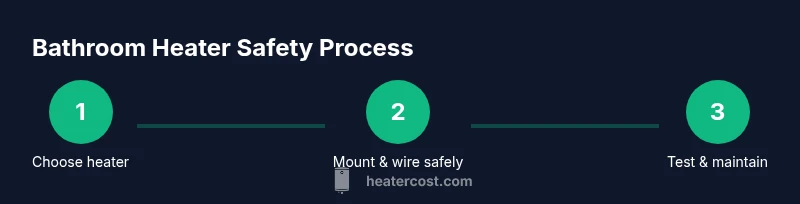
Choose the right bathroom heater
Select a unit explicitly rated for damp locations and designed for bathroom use. Verify the IP rating, certifications, and that it offers a thermostat for controlled warmth. This ensures safety and energy efficiency in a wet environment.
Tip: Verify that the heater’s labeling clearly states damp location suitability and energy efficiency ratings. - 2
Shut off power and verify the circuit
Before any work, switch off the bathroom circuit at the main panel and confirm there is no voltage at the intended mounting location using an electrical tester.
Tip: Lockout/tagout if more than one person might access the panel during work. - 3
Plan mounting location away from direct water
Choose a wall or ceiling spot that’s out of the spray zone and allows adequate clearance for airflow. Ensure mounting supports are suitable for the surface.
Tip: Avoid installing above the showerhead or in-line with direct spray paths. - 4
Mount the heater and install wiring
Attach the heater according to the manufacturer’s instructions, routing wiring through a moisture-rated junction box and conduit. Use a dedicated bathroom circuit and proper strain relief.
Tip: Do not modify the heater’s cord or power supply to fit a different outlet. - 5
Connect to a GFCI-protected circuit
Have a licensed electrician connect the heater to a GFCI-protected circuit and install proper disconnects as required by local code.
Tip: Always test the GFCI outage and reset function after installation. - 6
Seal penetrations and test operation
Apply bathroom-grade sealant around penetrations to prevent moisture ingress. Restore power and test heater for proper operation and safety features (thermostat, overheat protection).
Tip: Listen for unusual buzzing or overheating sounds during the initial test. - 7
Verify ventilation and humidity control
Ensure the bathroom has adequate ventilation to manage humidity and that the heater won’t excessively heat a small, enclosed space.
Tip: If condensation appears, reassess placement and airflow. - 8
Create a maintenance routine
Set reminders for annual inspections, clean air intakes, and test safety features monthly to maintain safe operation.
Tip: Keep a log of maintenance dates and any part replacements.
Got Questions?
Is it safe to use a heater in the shower?
Using a heater in the shower carries risk unless you use a device rated for damp locations and have it installed by a qualified professional. Always follow manufacturer instructions and local codes.
It's not inherently unsafe, but only if you use a damp-rated heater and have it properly installed with GFCI protection.
What kind of heater is suitable for bathrooms?
Look for heaters explicitly rated for bathrooms, with a high enough IP rating and a thermostat. Options include wall-mounted units, ceiling heaters, or underfloor radiant systems.
Bathroom-specific heaters are the safest choice because they’re designed for humidity and splash zones.
Do I need a permit to install a bathroom heater?
Permit requirements vary by location, but electrical work in bathrooms often requires inspection or an electrical permit. Check with your local building authority or hire a licensed electrician to handle it.
Electrical work in bathrooms can require permits—it's best to verify with local codes.
Can I use a heater near a shower if it’s a towel warmer?
Towel warmers designed for bathrooms can be a safer alternative, provided they’re installed per manufacturer instructions and have appropriate damp-location ratings.
Towel warmers can be safer, but still need proper installation and ratings.
What maintenance is required for bathroom heaters?
Regular inspections, cleaning vents, checking seals, and testing safety switches help prevent failures and hazards. Follow the manufacturer’s maintenance schedule.
Keep up with routine checks and cleaning to prevent issues.
How much does it cost to install a bathroom heater?
Costs vary based on heater type, wiring needs, and local labor rates. Obtain multiple quotes and ensure the installer is licensed for bathroom electrical work.
Costs can vary; get several quotes from licensed professionals.
Watch Video
The Essentials
- Choose bathroom-rated heaters with proper damp-location ratings
- Install on a non-splash surface with GFCI protection
- Regularly test safety features and maintain clearances
- Use safer alternatives like towel warmers or radiant floors when possible
- Consult local codes and a licensed electrician for wiring and permits