Heat Pump Water Heater Installation: A Step-by-Step Guide
Learn how to install a heat pump water heater with a practical, code-aware approach. This guide covers sizing, location, electrical and plumbing readiness, permits, and maintenance for a safe, efficient setup.


This quick answer outlines what you’ll accomplish with heat pump water heater installation, including sizing, locating, and connecting power and water lines, while keeping safety and code compliance in mind. You’ll learn common steps, required clearances, and the practical considerations homeowners face when planning a DIY or professional installation. This Heater Cost guide provides actionable guidance to help you start confidently.
What a heat pump water heater installation entails
A heat pump water heater installation is more than dropping a unit into a closet. It combines electrical work, water piping, drainage, ventilation (where required), and careful placement to maximize energy savings. The goal is to ensure the heat pump can extract ambient heat efficiently from the surrounding air while maintaining a reliable hot water supply. Proper installation also means ensuring safe clearances, accessible service valves, and a clear path for maintenance. Homeowners should plan for future access, consider noise and vibration, and confirm the unit will operate within the local climate’s temperature range. When done correctly, heat pump water heater installation leverages the unit’s efficiency, reduces energy waste, and delivers predictable hot water for daily needs. Throughout this process, remember to verify your local codes and permit requirements, since compliance matters for safety, warranty coverage, and long-term performance.
Planning and sizing: how to determine requirements
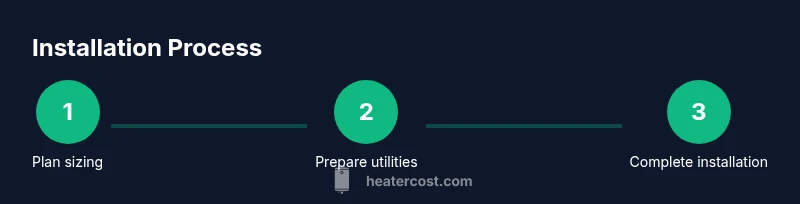
Sizing a heat pump water heater for your home involves estimating your peak hot water use, overall household demand, and climate considerations. Start by listing typical activities (showers, laundry, dishwasher) and tracking average daily hot water usage. Then compare this to a unit’s recovery rate and storage capacity—without over-sizing, you risk unnecessary upfront costs and reduced efficiency; under-sizing can lead to frequent re-heats and frustration. Consider the climate in your region because ambient air temperature affects efficiency; colder environments reduce heat absorption, while warmer spaces enhance performance. Finally, evaluate your space’s footprint and access for service. A properly sized unit balances energy savings with reliable hot water supply, avoiding frequent maintenance or service calls in the first years.
Permits, codes, and local requirements
Most jurisdictions require a permit for installing a heat pump water heater, especially when electrical or plumbing work is involved. Check with your local building department or AHJ (Authority Having Jurisdiction) to confirm permit needs, inspection requirements, and any code language about dedicated circuits, venting (if applicable), or condensation drainage. Your installation should comply with national standards and local amendments, including energy efficiency requirements. Failing to obtain permits or misinterpreting codes can void warranties and complicate future sales. Keep records of approvals and inspections for your files and future reference.
Location and space considerations
Place the unit where it can access ambient air, remain above floor level to prevent splash, and be easy to service. Avoid cramped corners, ensure sufficient clearance around the front and sides, and plan for a drain or pan to manage condensate. The location should be near an appropriate drain, near a power source, and within reach of water supply lines. For noise-sensitive areas, consider mounting on a stud wall or using a vibration-damping pad. Finally, ensure the space remains within the manufacturer's recommended operating temperature range; extreme temperatures can reduce efficiency and shorten the unit's life.
Electrical and plumbing readiness
A heat pump water heater typically requires a dedicated circuit with appropriate overcurrent protection, correctly sized wiring, and a grounded connection. Verify your electrical panel can accommodate the extra load and that a qualified electrician installs or verifies the circuit, disconnects, and grounding. On the plumbing side, plan for cold and hot water supply lines, a shutoff valve, and a drainage path for condensate. Use approved piping materials (PEX or copper as recommended by the manufacturer) and seal connections to prevent leaks. Once utilities are prepared, you’re ready to move to the installation itself.
Step-by-step overview: getting the unit in place
- Turn off power, water, and gas (if applicable) to the existing heater and confirm isolation. 2) Remove the old unit if you’re replacing, or clear space for the new installation. 3) Position the heat pump water heater, ensuring ventilation and service clearances. 4) Connect water lines with flexible hoses and secure fittings. 5) Connect the electrical supply with a dedicated circuit and proper grounding. 6) Install the condensate drain and any required overflow protection. 7) Restore power, test the unit, and check for leaks at every connection. 8) Document the installation and schedule a system test under load to confirm performance.
Connecting water lines and condensate drainage
Water line connections should be clean, leak-free, and snug. Use Teflon tape or appropriate thread sealant, and install angle stops or shutoffs as needed. Ensure correct hot and cold orientation and verify that every joint and valve is accessible for service. The condensate drain must be directed to an appropriate drain with an overflow safety feature. If your unit is in a location with limited drainage options, consult the manufacturer for recommended drainage strategies and consider a condensate pump if gravity drainage isn’t possible.
Commissioning, testing, and safety checks
After installation, perform a thorough test: verify electrical connections, check all water joints for leaks, and confirm the unit cycles correctly through heating modes. Inspect for unusual noises or vibrations and ensure proper clearance around the cabinet. Check the thermostat settings and ensure the unit maintains hot water within the expected range. Finally, confirm that safety devices—such as automatic shutoffs and overflow protections—are active and functional. Proper commissioning reduces warranty issues and ensures efficient operation from day one.
Maintenance tips and long-term care
Routine maintenance helps heat pump water heaters sustain performance. Schedule periodic inspections of electrical connections, valves, and insulation; keep the exterior clean and free from dust that can affect heat exchange. Inspect the condensate drain and ensure it remains clear to prevent backups. Monitor hot water temperature and adjust if necessary to avoid scalding or energy waste. Replace any worn gaskets or seals promptly. Finally, track energy performance; any sudden drop in efficiency should trigger a professional inspection to rule out refrigerant leaks or degraded components.
Tools & Materials
- Voltage tester or non-contact tester(Used to verify circuits are de-energized before work)
- Adjustable wrench(For pipe fittings and shutoffs)
- Pipe wrench (as needed)(Useful for rigid piping connections)
- Teflon tape or approved thread sealant(Seal all threaded water connections)
- PEX/copper piping and fittings(Per manufacturer and local code)
- Drill and screws for mounting(Secure unit and brackets)
- Flexible water supply hoses(Ensure compatibility with fittings)
- Condensate drain tubing or pump(Provide proper drainage path)
- Screwdrivers (flathead and Phillips)(General assembly and valve work)
- Shutoff valves (hot and cold)(Install accessible isolation points)
- Manufacturer installation manual(Follow specific model requirements)
- Electrical wiring and circuit breaker as per code(Dedicated circuit and correct gauge)
Steps
Estimated time: Estimated total time: 2-6 hours
- 1
Assess site and sizing
Evaluate space, climate, and hot water needs to choose the right unit size and storage capacity. Verify access to a drain and electrical panel, and confirm required clearances per the manufacturer.
Tip: Document distances to walls and doors for service access. - 2
Verify electrical capacity
Inspect the electrical panel to determine if a dedicated circuit is available or if service upgrades are needed. Plan for proper grounding and overcurrent protection according to local codes.
Tip: Consult a licensed electrician if you’re unsure about panel capacity. - 3
Prepare space and mounting
Clear the installation area, install any mounting brackets, and ensure stable footing. Ensure the unit has room for airflow and future maintenance access.
Tip: Use anti-vibration pads if the unit sits on a hard surface. - 4
Shut off utilities and remove old unit
Turn off power at the main breaker and close water supply. If replacing, disconnect and remove the old heater following safety guidelines.
Tip: Take photos of old connections to guide new installation. - 5
Connect water lines
Attach hot and cold lines using approved fittings and sealants. Ensure correct orientation and leak-free joints. Install shutoffs within easy reach.
Tip: Hand-tighten first, then snug with wrench to avoid overtightening. - 6
Install electrical connections
Connect the unit to a dedicated circuit with proper grounding and overcurrent protection. Ensure the disconnect is accessible and clearly labeled.
Tip: Power off at the breaker when connecting wires and test with a voltage tester. - 7
Set up condensate drainage
Route condensate drain to an appropriate drain. If gravity drainage isn’t possible, install a condensate pump as recommended by the manufacturer.
Tip: Keep a slight downward slope on drain lines to prevent backups. - 8
Power on and test
Restore power, fill the tank, and run a test cycle to confirm heating operation and no leaks. Check temperature settings and ensure safe operation.
Tip: Document test results for warranty and future service.
Got Questions?
What is a heat pump water heater and how does installation differ from traditional electric water heaters?
A heat pump water heater uses electricity to move heat from the surrounding air into the water, rather than generating heat directly like a traditional electric heater. Installation requires adequate space for air intake, proper electrical wiring, and attention to drainage and clearances. The process is similar in terms of electrical and plumbing work but emphasizes placement and energy-efficiency considerations.
A heat pump water heater moves heat instead of generating it. Installation focuses on space, wiring, and drainage to maximize efficiency.
Do I need a permit to install a heat pump water heater?
Most areas require a building permit for any electrical or plumbing work associated with installing a heat pump water heater. Check with your local building department and AHJ to confirm permit needs and inspection steps. Obtaining the permit helps ensure code compliance and proper warranty coverage.
Yes, most places require a permit for this kind of installation.
Can a heat pump water heater be installed in cold climates?
HPWHs perform best in spaces with adequate ambient warmth. In very cold climates, maintain surrounding temperatures to support efficiency or consider models rated for lower ambient temperatures. Proper placement away from drafts and unheated spaces helps sustain performance.
They work best in warmer spots, but some models are designed for cooler areas with proper placement.
What maintenance is required after installation?
Regular maintenance includes checking for leaks, inspecting valves and insulation, cleaning filters if applicable, and ensuring the condensate drain remains clear. Schedule occasional professional inspections to verify refrigerant levels and overall efficiency.
Check for leaks, keep the drain clear, and have periodic professional checks.
What factors influence installation difficulty and cost?
Costs vary with unit size, labor rates, existing plumbing, and electrical work. Material choices and permit requirements also affect price. Get multiple quotes from licensed pro installers to compare scope and keep expectations realistic.
Costs depend on size, labor, and required electrical and plumbing work.
Watch Video
The Essentials
- Plan sizing around peak hot water use and climate.
- Follow permits and codes to ensure safety and warranties.
- Prepare electrical and plumbing before installation.
- Test thoroughly and keep maintenance in mind from day one.
- Professional installation can optimize safety and performance.