Heat Pump Pool Heater Installation: Step-by-Step Guide
Learn how to install a heat pump pool heater with sizing tips, permits, electrical and plumbing steps, and a practical checklist to help homeowners, renters, and managers achieve efficient, reliable pool heating.


By installing a heat pump pool heater, you can extend your pool season while keeping operating costs reasonable. This guide covers sizing, electrical and plumbing considerations, permits, and a step-by-step install checklist so homeowners, renters, and managers can plan confidently. A properly installed heat pump pool heater can deliver efficient heating with minimal ongoing maintenance.
What a heat pump pool heater is and why install
A heat pump pool heater is a heating system that uses ambient outdoor air to raise the water temperature in your pool. It operates on a refrigerant cycle powered by electricity, extracting heat from the air and transferring it to the pool water. Because it moves heat rather than generating it, it commonly offers higher efficiency than electric resistance heaters, especially in temperate climates. The Heater Cost team notes that efficiency depends on outdoor temperatures, humidity, and how well the unit is matched to your pool size and usage. If you want to extend your swimming season without skyrocketing energy bills, a heat pump pool heater can be a compelling option, particularly for moderate climates and frequent pool use.
This section sets the foundation for understanding how sizing, installation, and maintenance translate into real-world performance. The goal is to help you know what to expect, what questions to ask, and how to prepare for a successful installation.
Sizing, efficiency, and cost considerations
Correct sizing is the most important determinant of a heat pump pool heater’s performance and long-term cost effectiveness. A unit that is too small will struggle to reach or maintain your desired water temperature, especially on cool mornings, while an oversized unit can waste energy cycling on and off. When evaluating size, consider pool volume, desired temperature rise, climate, and typical pool usage patterns. Efficiency is driven by outdoor air conditions and installation quality; a well-sealed enclosure, proper airflow, and clean filters help the unit perform closer to its best. While prices vary by model and region, many homeowners weigh upfront cost against anticipated energy savings and the expected years of service. Based on Heater Cost research, climate and pool usage are major influences on payback and total cost of ownership. How you plan to use the pool will guide whether you prioritize a high-capacity unit or a more modest setup that pairs with solar heating on mild days.
Beyond sizing, think about system compatibility with your current circulation pump, pool chemistry, and any existing heat sources. If you’re upgrading from an older heater or switching from gas, you may see meaningful operating-cost reductions over time. The goal is an efficient, reliable heat source that can maintain comfortable temperatures with reasonable energy use.
Permits, safety, and best practices
Before installation, check with your local building department about permits, inspections, and any code requirements for pool equipment and electrical connections. In many areas, electrical work requires a licensed electrician and a permit. Safety should come first: install the heat pump away from the pool’s edge to minimize splash exposure on electrical components, use a dedicated GFCI-protected circuit, and ensure all panels are weather-rated and properly grounded. Follow manufacturer installation guidelines to preserve warranty coverage, and avoid DIY paths that could violate local codes. This section emphasizes planning and compliance as foundational steps toward a successful install. According to Heater Cost, aligning installation with local guidelines and professional oversight reduces risk and improves long-term reliability.
Installation prerequisites: location, mounting, and clearances
Choose a location with ample clearance for airflow and service access, and away from direct obstructions or heavy foot traffic. The unit should sit on a level, sturdy pad that is resistant to weather and ground movement. Adequate drainage around the pad helps manage any condensate or rainwater, and consider a shaded spot to minimize sun exposure that can affect efficiency. Verify that nearby structures won’t block airflow, andallow for convenient connections to the pool plumbing and electrical panel. Proper clearances also aid maintenance tasks like filter checks and routine cleaning. A well-planned site reduces vibrations, protects components, and simplifies future service needs.
This planning phase sets the stage for a clean, safe installation and makes it easier for technicians to complete work within standard operating protocols.
Plumbing and electrical connections basics
Plumbing requires compatible pipe sizes, suitable fittings, and secure connections to the pool return line. Use approved transition fittings when changing from PVC to copper or other materials, and ensure all joints are leak-tested before filling the pool. Electrical work should be performed to code, with a dedicated 220-volt or higher circuit as required by the heater model, a protective disconnect within sight of the unit, and a properly grounded enclosure. A GFCI-protected circuit improves safety around water. Regular checks for leaks, corrosion, and tight fittings help prevent performance losses over time. These connections are the heart of a reliable system and warrant careful attention to detail.
As you wire and plumb the unit, keep the system clean and dry, and document every connection for future maintenance or service visits.
Step-by-step overview of typical installation phases
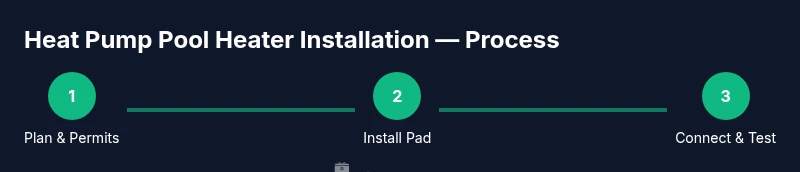
This section provides a high-level roadmap of the installation process so you can anticipate the major phases and coordinate with licensed professionals as needed. Phase 1 focuses on planning, permits, and site setup. Phase 2 covers mounting the heat pump on a stable pad and confirming airflow. Phase 3 involves plumbing connections to the pool loop and a pressure test, followed by Phase 4, electrical wiring and safety testing. Phase 5 is commissioning, where you verify temperature rise, system cycling, and any necessary adjustments. Finally, Phase 6 discusses seasonal maintenance and future service planning. This overview helps align expectations and minimize downtime during installation.
Maintenance, troubleshooting, and long-term care
Regular maintenance is key to a long, efficient life for a heat pump pool heater. Schedule seasonal inspections to check refrigerant lines, airflow, and electrical connections. Clean or replace air filters as needed to maintain proper heat exchange. Monitor for unusual noises, vibration, slow heating, or inaccurate temperature readings, and address these issues promptly with a professional. Winterize or cover the unit according to climate and manufacturer recommendations to protect components from the elements. With proper care, a heat pump pool heater delivers reliable comfort for many seasons.
Tools & Materials
- Heat pump pool heater (unit)(Choose size and model matching pool volume and climate.)
- Mounting pad or stand(Sturdy, level concrete or insulated platform.)
- Protective equipment(Gloves, eye protection, and hearing protection as needed.)
- PVC piping and fittings(Rigid schedule PVC with appropriate unions.)
- PVC glue and primer(Make secure, watertight joints.)
- Pipe insulation(Prevent heat loss and condensation.)
- Electrical disconnect switch(Required by code for service access.)
- GFCI-protected circuit breaker(Protects personnel from shock.)
- Electrical conduit and appropriate wiring(Meeting local electrical code.)
- Drill and screwdriver set(For mounting and hardware.)
- Measuring tape and level(Ensure precision and level mounting.)
- Leak-detection solution or soapy water(Detect leaks during pressure tests.)
- Permits application (as needed)(Check local requirements.)
Steps
Estimated time: 6-8 hours
- 1
Assess requirements and size
Confirm pool size, desired temperature rise, and climate conditions. Use manufacturer sizing guidelines and consult with a licensed pro if needed to select the correct heat pump capacity.
Tip: Document pool dimensions and existing equipment to simplify sizing conversations. - 2
Check permits and engage professionals
Research local permit requirements and scheduling for inspections. If electrical work is involved, hire a licensed electrician and a pool professional if required by code.
Tip: Submit permit applications early to avoid installation delays. - 3
Prepare the installation site
Choose a dry, well-ventilated location with stable footing. Install a level mounting pad and verify clearances from walls and service access.
Tip: Ensure the location avoids splash zones and heavy foot traffic. - 4
Mount the heat pump unit
Place the heat pump on the pad and secure it. Verify airflow clearance around the cabinet as specified by the manufacturer.
Tip: Use vibration pads if the surface is uneven to reduce noise and wear. - 5
Connect plumbing lines
Attach supply and return lines to the pool loop using approved fittings. Pressure test all connections to ensure there are no leaks.
Tip: Label lines for future maintenance and ensure proper slope for drainage. - 6
Wiring and electrical safety
Route conductors in approved conduit, install the disconnect, and connect to a properly rated circuit with GFCI protection. Verify ground integrity and correct voltage.
Tip: Turn off power at the main breaker before any work and use a voltage tester to confirm de-energization. - 7
Commission and test
Power up the system, verify refrigerant is properly charged, run through a full heating cycle, and confirm water temperature rises as expected.
Tip: Record baseline readings and check for abnormal noises or vibrations. - 8
Document maintenance plan
Create a maintenance schedule covering filters, airflow, and seasonal checks. Note service intervals and preferred contact for licensed technicians.
Tip: Set calendar reminders for seasonal inspections.
Got Questions?
Do heat pump pool heaters work well in cold weather?
Heat pump pool heaters operate most efficiently in moderate temperatures, but many models can still warm water in cooler weather with adequate airflow and proper installation. In very cold climates, performance may drop and supplemental heating might be required.
Most work well in moderate weather, but in very cold climates, you may need extra heating or a backup system.
Is a permit required for installation?
Permit requirements vary by location. Check with your local building department and involve licensed professionals if electrical work is involved. Having the proper permits can ensure inspections pass and warranty requirements remain intact.
It depends on your area; talk to the local building department and a licensed pro.
Can I install a heat pump pool heater myself?
Some parts of the installation can be done by a confident homeowner, but electrical connections and code compliance usually require a licensed professional. Always verify warranty terms and local regulations before attempting a DIY install.
Some tasks may be DIY, but electrical work and permits typically require a pro.
How long does installation take?
A typical installation can take several hours to a full day, depending on site conditions, permit processing, and whether existing plumbing or electrical upgrades are needed. Plan for potential inspection time if permits are involved.
Most installs take several hours to a day, depending on the site.
What maintenance is required after installation?
Regular maintenance includes air filter checks, airflow cleaning, leak inspections, and periodic system tests. Keep an eye on temperature consistency and listen for unusual noises that may indicate a component issue.
Do routine checks and tests and watch for odd noises.
What signs indicate a service issue?
If the unit struggles to heat water, runs constantly, or shows error codes, schedule a service visit. Address leaks, refrigerant concerns, or electrical faults promptly to avoid further damage.
Look for poor heating, unusual running, or error codes and call a pro.
Watch Video
The Essentials
- Size the unit to match pool volume and climate needs.
- Obtain required permits and hire licensed professionals as needed.
- Ensure solid mounting, proper clearances, and leak-free plumbing.
- Follow a formal maintenance plan for long-term efficiency.