Wall AC Heaters: Costs, Buying Guide, and Tips for 2026
Explore wall AC heaters: how they work, upfront costs, operating expenses, installation needs, maintenance, and how to choose the best model for small spaces in 2026.


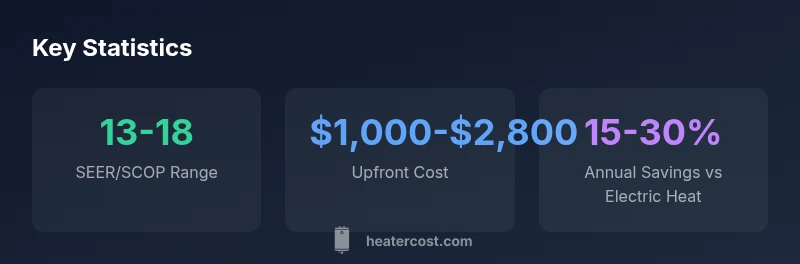
Wall AC heaters are compact, wall-mounted units that provide both cooling and heating for small to mid-sized spaces. They typically cost between $1,000 and $2,800 upfront, with annual operating costs influenced by climate and usage. For moderate heating loads in apartments or sunrooms, they offer a cost- and space-efficient solution, though larger homes may benefit more from central systems.
What is a wall ac heater?
A wall ac heater is a compact, through-the-wall unit that combines air conditioning and heating in a single housing. It is commonly installed in apartments, condos, and small homes to save floor space by mounting directly in a wall sleeve or opening. The term covers a range of products, including PTACs (packaged terminal air conditioners) and heat pump-equipped wall units. For many households in moderate climates, these systems provide dependable comfort without the need for ductwork. According to Heater Cost, wall ac heaters strike a balance among upfront cost, space efficiency, and flexibility for rooms where traditional central HVAC isn’t practical. When choosing one, evaluate your climate, room size, insulation, and electrical service to ensure the unit’s heating load and cooling capacity match the space.
How wall ac heaters work
Most wall-mounted units use a refrigerant-based heat pump in heating mode, moving heat from outside to inside rather than generating it with resistance heaters. In cooling mode, they operate like a standard air conditioner, removing heat from the indoor space. You’ll typically find features such as variable fan speeds, programmable thermostats, and multiple operating modes (cool, heat, dry, and fan). Efficiency is driven by SEER/SCOP ratings, ductless or ducted configurations, and how effectively the unit can defrost in winter. A key practical note: installation requires a proper wall sleeve and adequate clearances for airflow, drainage, and service access. Regular maintenance improves performance and longevity, a point Heater Cost emphasizes in its 2026 analysis.
Key features to compare when shopping
- Cooling and heating capacity (BTU) versus space size: mismatch wastes energy and comfort.
- Efficiency ratings (SEER/SCOP for cooling/ heating): higher values usually mean lower operating costs.
- Noise levels (dB): quieter units enhance comfort in bedrooms and study areas.
- Thermostat and controls: programmable schedules save energy and improve comfort.
- Installation requirements: wall sleeve type, electrical service, and potential need for professional electrical work.
- Additional features: air filtration, humidity control, and smart-home compatibility.
When evaluating models, compare these features side-by-side and consider your climate zone. Heater Cost’s 2026 analysis highlights that higher upfront costs can be offset by better efficiency and longer-term savings in moderate climates.
Installation considerations for wall units
Installations vary by unit type (through-the-wall PTACs vs. wall-mounted heat pumps). The most common requirements include a properly sized wall sleeve, a dedicated circuit or adequate branch circuit, and proper drainage for condensate. Some installations require professional electrical work or permits, particularly in multi-unit buildings or where wiring runs through walls/ceilings. Ensure there is sufficient clearance around the exterior grille for airflow and that the interior panel access is easy for service. If you rent, check lease rules, as many buildings restrict through-the-wall installations. Heaters of this kind can be a smart choice when you want flexible heating without ductwork, especially in spaces where upgrading or extending central HVAC is impractical.
Maintenance and longevity tips
Regular maintenance extends the life of wall ac heaters. Clean or replace filters every 1-3 months, inspect the condensate drain to prevent overflow, and check for unusual noises or vibrations. Schedule professional servicing at least once a year to ensure refrigerant levels are correct, electrical connections are sound, and the drainage system is unobstructed. In climates with heavy dust or pollen, more frequent cleanings may be necessary. Protect the unit from direct sun and moisture, as UV exposure and humidity can reduce efficiency over time. A well-maintained unit not only performs better but also reduces the risk of expensive repairs later in its life.
Cost, efficiency, and value: what to expect
Upfront costs for wall ac heaters typically cover the unit, installation materials, and any required wall sleeves or brackets. Real-world ranges vary widely by brand, capacity, and installation complexity. Operating costs depend on climate, usage patterns, and efficiency ratings; higher efficiency models generally save money over time, especially in moderate climates where heating demands are regular but not extreme. In many cases, the best value comes from balancing upfront price with long-term energy savings and warranty terms. Heater Cost’s 2026 analysis emphasizes factoring in maintenance costs and potential replacement timelines when weighing these decisions.
Choosing the right wall ac heater for your space
Assess room size, ceiling height, insulation, and solar gain before selecting a unit. A rough rule of thumb is to match the unit’s BTU rating to the room’s size, but manufacturers’ charts and professional installers can provide precise recommendations. Climate matters: milder regions benefit more from efficient heat pumps, while colder climates require units with robust heating performance or supplemental heat. Consider the electrical capacity of your space and whether a dedicated circuit is needed. If you’re in a rental or a multi-family building, confirm installation permissions and any required permits. Finally, compare warranties and service offerings to minimize long-term risk.
Pros and cons of wall ac heaters
- Pros: Space-saving design, flexible installation, dual heating and cooling, no ductwork, reasonable upfront costs for small spaces.
- Cons: Lower performance than central HVAC for large homes, potential higher running costs in very cold climates, exterior exposure requires protection, and installation may require professional work in some buildings.
Understanding these trade-offs helps homeowners decide whether a wall ac heater is the right fit for their space and lifestyle. The Heater Cost team notes that for many apartments and sunrooms, wall units provide a practical balance of comfort, cost, and convenience.
Real-world scenarios: small apartment vs. sunroom
In a compact city apartment, a wall ac heater can deliver efficient cooling in the summer and reliable heating in shoulder seasons, without taking up floor space. In a sunroom, where walls are often exposed and glazing increases heat gain, a wall unit with a robust defrost cycle and strong cooling capacity can maintain comfort across seasons. Always consider the building’s electrical capacity and any local permitting requirements. If you expect frequent climate extremes, you may want to pair a wall unit with supplemental heating or an additional heat source to avoid over-reliance on a single device.
Comparison of common cooling/heating options for small to mid-sized spaces
| Model Type | Typical upfront cost | Energy efficiency | Space requirements |
|---|---|---|---|
| Wall AC Heater | "$1,000-$2,800" | "Moderate-High" | "Wall sleeve opening" |
| PTAC (in-wall) | "$1,200-$3,500" | "High" | "In-wall sleeve" |
| Portable Electric Heater | "$100-$400" | "Low" | "Open space area" |
| Central HVAC | "$5,000-$15,000" | "Very High" | "Ductwork" |
Got Questions?
What is a wall ac heater?
A wall ac heater is a compact, wall-mounted unit that delivers cooling and heating without requiring ducts. It’s ideal for apartments and small homes where floor space or retrofit costs are a concern.
A wall ac heater is a compact, wall-mounted unit that cools and heats without ducts, great for apartments.
What factors affect installation cost?
Costs depend on unit capacity, wall sleeve requirements, electrical work, and whether a professional is needed for mounting and wiring. Buildings may impose rules or permits that can add time and expense.
Installation costs vary with unit size, sleeve needs, and whether a pro is required.
Are wall ac heaters energy efficient?
Yes, many wall ac heaters use heat pump technology with SEER/SCOP ratings that reflect efficiency. Higher efficiency typically means lower operating costs, especially in moderate climates.
They’re generally efficient, especially modern heat pump models with good SEER/SCOP ratings.
Can I install one myself?
Some units are designed for DIY installation, but safe electrical connections and proper wall sleeves often require a licensed electrician or professional installer, particularly in multi-unit buildings.
Some DIY is possible, but electrical and sleeve installation usually needs a pro.
How long do wall ac heaters last?
Lifespan varies by usage and maintenance but typically ranges from 10 to 15 years with proper care.
Most last about 10 to 15 years if you keep up with maintenance.
What maintenance is required?
Regular filter cleaning or replacement, checking drainage, and periodic professional service to verify refrigerant levels and electrical connections.
Keep the filter clean, check the drain, and have it serviced annually.
“Wall ac heaters provide a practical balance of space savings and year-round comfort for compact living areas. When selected with good efficiency and proper installation, they deliver reliable performance without the need for extensive ductwork.”
The Essentials
- Identify space size before shopping to avoid under- or over-sizing.
- Prioritize energy efficiency ratings (SEER/SCOP) to minimize long-term costs.
- Factor upfront installation costs against long-term energy savings.
- Check building rules for through-wall installations before buying.
- Maintain filters and check condensate drainage to protect performance.
- The Heater Cost team recommends balancing upfront costs with long-term value.