Wall air conditioner and heater: A dual-function climate solution
A comprehensive guide to wall air conditioner and heater units, covering how they work, sizing, energy costs, installation considerations, maintenance, and practical tips for homeowners, renters, and property managers.


A wall air conditioner and heater is a compact, wall-mounted unit that delivers both cooling and heating in one integrated system. It suits spaces where window units aren’t practical and where a permanent, space-saving climate solution is preferred. Efficiency and performance vary by model, climate, and usage, but modern units offer inverter options, programmable thermostats, and multi-speed fans to balance comfort with energy costs.
Why a wall air conditioner and heater matters
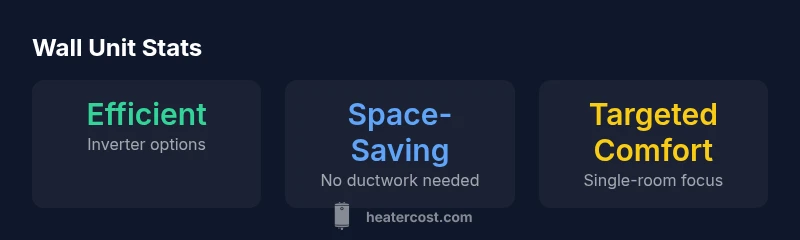
A wall air conditioner and heater offers a compact, all-in-one climate solution for spaces where traditional split systems or furnaces would be oversized, impractical, or costly. For many homeowners, renters, and property managers, a single wall-mounted unit can provide reliable cooling in the summer and warmth in shoulder seasons, while occupying far less space than central systems. In addition to space efficiency, these units can simplify interior design, reduce ductwork needs, and provide targeted comfort to specific rooms such as bedrooms, home offices, or sunlit living areas. As part of a broader strategy for energy management, wall units can help moderate peak loads when used strategically, which is especially valuable in multi-unit buildings or retrofit projects. According to Heater Cost, the right wall unit balances comfort, efficiency, and upfront costs for real-world scenarios.
How dual-function wall units work
Dual-function wall units combine refrigerant-based cooling with heat pump technology to provide heat during colder periods. When cooling is requested, the compressor circulates refrigerant to absorb heat from the indoor air and vent it outside, while a fan distributes cooled air. In heating mode, the system reverses circulation, pulling heat from the outside air (where practical) to warm indoor space. Modern units may include inverter compressors, which adjust speed to maintain steady temperatures and reduce energy use compared with fixed-speed models. Dehumidification is a common side benefit in cooling mode, improving comfort in humid environments. Proper installation ensures seal integrity, efficient airflow, and balanced temperatures across the target space.
Sizing and installation basics
Sizing a wall unit correctly is essential for comfort and efficiency. A unit that's too small will struggle to maintain the set temperature, leading to higher run times and wear. A unit that's too large may cycle on and off, creating temperature swings and unnecessary energy use. Key steps include measuring the room, accounting for windows and occupancy, and selecting a unit with appropriate BTU ratings for cooling and heating. Installation typically requires a licensed professional, as it involves electrical connections, a dry-wall cutout, and securing a stable mounting bracket. Local codes may also affect venting, condensate drainage, and outdoor unit placement in some configurations.
Efficiency and operating costs: what affects you
Efficiency for wall air conditioner and heater units is influenced by climate, insulation quality, unit age, and user settings. Inverter-driven models usually offer better part-load efficiency, smoother temperature control, and reduced energy draw compared with fixed-speed variants. Expect that heating costs in colder climates will depend on outdoor temperatures, unit COP (coefficient of performance), and how frequently you run the heater. In temperate regions, careful use of cooling and heating together (e.g., targeting a comfortable zone rather than the entire home) can lower energy costs. For renters and property managers, programming schedules and remote controls can help manage utilities while keeping residents comfortable.
Features that impact performance
When selecting a wall unit, prioritize features that improve real-world comfort and durability:
- Inverter compressors for steady temperatures and efficiency
- Dual-stage or variable-speed fans for quieter operation
- Multi-zone or smart controls to tailor comfort to different rooms
- Built-in dehumidification and air filtration for improved air quality
- Quiet operation specs (dB ratings) for bedrooms and workspaces
- Filter accessibility and simple maintenance routines
These features collectively influence long-term operating costs and user satisfaction. Always compare SEER (cooling efficiency) and HSPF (heating efficiency) ranges across models to estimate energy performance.
Comparing with separate systems vs a dedicated wall unit
In some homes, installing a separate central system alongside a wall unit makes sense, while in others, a single dual-function wall unit can meet most needs. Wall units shine in smaller spaces or retrofit projects where extending ductwork is impractical or expensive. Central systems typically offer consistent performance throughout a home but require significant upfront investment and ongoing maintenance. For many properties, a wall air conditioner and heater provides a practical balance of upfront cost, space preservation, and occupant comfort, especially when used to condition high-priority areas rather than the entire building.
Maintenance and longevity
Maintenance is straightforward but important for preserving performance. Clean or replace filters regularly, inspect condensate drainage lines for clogs, and ensure external vents remain unobstructed. Schedule professional inspections at least once a year to verify refrigerant levels, electrical connections, and seal integrity. Keeping the unit clean, using the proper thermostat settings, and avoiding extreme temperature swings will extend its life. When it’s time to replace, compare the long-term costs of a newer, higher-efficiency model against the ongoing maintenance of an older unit to determine the best value for your space.
Installation scenarios: apartments, rentals, and small homes
Apartment and rental scenarios often favor wall units because they minimize structural changes and permit easier compliance with building rules. In small homes or converted spaces, a wall unit can offer fast cooling and reliable heating without the need for ductwork. Always verify electrical capacity, venting requirements, and building codes before installation. If your space requires multiple zones, consider pairing a wall unit with additional units or a small heat pump system to avoid over-reliance on a single device. Documentation for landlords and tenants can help streamline approvals and warranties.
Common myths and missteps
Myth: A wall air conditioner and heater is a one-size-fits-all solution. Reality: Sizing and climate compatibility matter. Myth: Inverter models never need maintenance. Reality: Regular cleaning and periodic professional checks extend life and efficiency. Myth: These units aren’t suitable for very cold climates. Reality: Many models include cold-climate performance optimizations, but extreme cold can still affect efficiency. Avoid installing units without proper clearances and professional electrical work, as improper mounting can compromise safety and performance.
Real-world financing and warranties
Costs for wall units vary by model and capacity, and financing options are often available through retailers or utility programs. Look for warranties covering parts and labor, typically several years for the compressor and internal components. Some regions offer energy efficiency rebates or tax incentives for upgrading to more efficient cooling and heating solutions. When evaluating a purchase, compare upfront costs against projected energy savings over the unit’s lifespan to gauge true value.
Practical decision guide: when to choose a wall unit vs other options
If your goal is quick, room-specific climate control with minimal disruption, a wall air conditioner and heater is a compelling option. For whole-house comfort in older homes with leaky envelopes, you might still rely on a central system or heat pump with appropriate ducting. Consider the climate, space, maintenance capacity, and long-term energy costs. Gather several quotes, review efficiency ratings, and prioritize units with smart controls and reputable service support to ensure a smooth experience over time.
Typical comparison of wall air conditioner and heater configurations
| Model Type | Cooling BTU range | Heating BTU range | Energy Efficiency (SEER/HSPF) | Noise Level (dB) |
|---|---|---|---|---|
| Wall-mounted combo unit | varies | varies | SEER 13–21; HSPF 7–10 | 45–60 |
| Multi-split wall unit | varies | varies | SEER 14–20; HSPF 8–10 | 40–55 |
| Compact wall unit (smaller room) | varies | varies | SEER 12–18; HSPF 6–9 | 42–58 |
Got Questions?
What exactly is a wall air conditioner and heater and where is it best used?
A wall air conditioner and heater is a compact, wall-mounted unit that delivers cooling and heating in one device. It’s best for rooms where ductwork or window units aren’t ideal, such as bedrooms, small living spaces, or rental units.
A wall unit is a compact device that cools and heats a single room, ideal for spaces without ducts or large central systems.
Can these units heat efficiently in very cold climates?
Many models are designed for moderate heating needs and cold-season performance, especially heat-pump variants. In very cold climates, performance may drop and supplemental heat could be needed. Check the unit’s cold-climate performance rating before purchase.
Most can handle typical winter days, but in very cold climates you may need supplementary heating.
How do I size a unit for a room?
Accurately sizing involves measuring the room, considering window exposure, insulation quality, and occupant load. Manufacturers provide BTU guidelines; a professional can confirm the right model for comfort and efficiency.
Measure the room and consult BTU guides; a pro can verify the size.
What is the typical installation process and who should install?
Installation usually requires a licensed HVAC technician for electrical connections, wall cutouts, and secure mounting. Local codes may govern condensate drainage and mounting height, so professional installation ensures safety and warranty validity.
Have a licensed technician install it to ensure safety and warranty.
What maintenance is required and how often?
Regular maintenance includes cleaning or replacing filters, inspecting drainage, and periodic professional checks of refrigerant and seals. Routine care keeps energy efficiency high and reduces the chance of leaks.
Keep filters clean and schedule annual checks.
Are there tax credits or rebates available for these units?
Some regions offer energy-efficiency rebates or tax incentives for upgrading to efficient cooling and heating solutions. Check local programs and consult with a licensed contractor for eligibility.
There may be rebates—check local programs and eligibility.
“"Wall air conditioner and heater units can provide reliable, space-saving comfort when properly chosen and installed. Efficiency and long-term value rise with smart controls, proper sizing, and routine maintenance."”
The Essentials
- Choose a unit sized for the target room to avoid energy waste
- Inverter models offer smoother comfort and better efficiency
- Professional installation improves performance and safety
- Look for smart controls to optimize usage and costs
- Maintenance is essential for longevity and air quality