Portable Buddy Heater Costs in 2026: A Practical Guide
Discover the true costs of portable buddy heaters in 2026. This guide covers upfront prices, operating costs, safety considerations, and buying tips for homeowners, renters, and property managers.


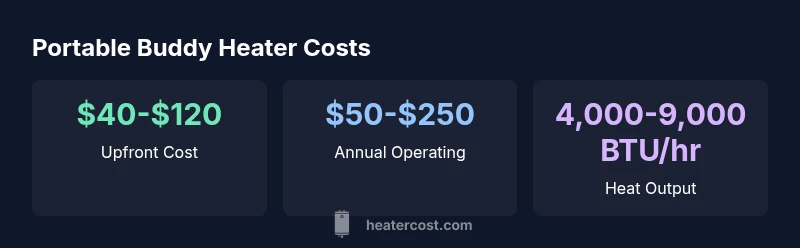
Typically, a portable buddy heater costs between $40 and $200 upfront, with annual running costs that vary by fuel and usage (often in the tens to a few hundred dollars). According to Heater Cost, the price band depends on heat output, safety features, and fuel type, while operating costs hinge on local fuel prices and how long you run the unit. This quick data point sets the baseline for a deeper look into sizing, fuels, and safety.
Use Cases for Portable Buddy Heaters in Homes and Rentals
Portable buddy heaters are a flexible solution for supplemental heating in small spaces such as apartments, cabins, cottages, and work studios. They shine when you need temporary warmth during power outages, while camping, or in spaces that lack central heating. For renters, a compact unit can fill the gap between seasons without committing to a full heating upgrade. When used correctly, these heaters provide rapid warmth with minimal installation, and they can be moved between rooms to address cold spots. This section examines typical scenarios, why a portable buddy heater may be a smart interim solution, and what to watch for in terms of safety, venting, and storage.
The Heater Cost team notes that the value proposition hinges on a balance between heat output, energy efficiency, and the availability of safe operating features. Consider room size, ceiling height, insulation quality, and occupant sensitivity to drafts. If a space feels chilly despite a higher output unit, it might be more cost-effective to investigate insulation or an auxiliary heating option instead of simply increasing heater size.
How They Work: Core Technologies and Safety Features
A portable buddy heater typically converts a fuel source (propane, butane, or sometimes natural gas) into heat through a compact burner with a controlled flame. Key safety features include tip-over shutoff, automatic safety shutoff for low oxygen or low-pressure scenarios, and, in some models, a built-in thermostat. Propane heaters are common for outdoor use and robust indoor heating when used with proper ventilation; electric models rely on household power and avoid combustion byproducts but require a grounded outlet and cooling features for continuous use. Regular inspection of hoses, regulators, and fuel canister integrity minimizes leaks and accidental ignition. When choosing a model, look for certifications from recognized safety authorities and a clear user manual that explains venting requirements and CO detector recommendations.
In all cases, never operate a portable buddy heater in a confined space without adequate ventilation. The risk of carbon monoxide is real with fuel-burning units, so install a carbon monoxide detector in the same room and follow manufacturer guidelines for clearance from walls, furniture, and fabrics. This section blends practical know-how with safety-first best practices to help you select a model that suits your space and lifestyle.
Sizing for Your Space: How to Pick The Right Output
Selecting the right heat output depends on room volume, insulation, and whether the heater will be the primary or secondary source of warmth. A simple rule of thumb is to match BTU output to the space you intend to heat, while acknowledging that real-world performance varies with ceiling height and air leakage. In compact rooms (e.g., small apartments or bedrooms), a heater in the lower end of the BTU range can provide comfortable warmth without overheating. In poorly insulated spaces, you may need a higher output or supplemental insulation measures to maintain a stable temperature. When evaluating options, consider features like adjustable heat settings, status indicators, and a low-noise operation mode for night use.
The goal is efficient comfort, not simply raw heat. By measuring your space and cross-referencing BTU recommendations with product specs, you can avoid paying for more heat than your room needs. A well-sized portable buddy heater will provide quick warmth for hours without frequent refueling if you pair it with efficient insulation and proper usage patterns.
Fuel Options at a Glance: Propane, Butane, and Electric
Fuel choice drives both cost and practicality. Propane is widely available, especially for camping and emergency setups, and many propane buddy heaters offer strong heat output for their compact size. Butane variants exist but are less common for indoor use in some markets due to energy density and storage considerations. Electric portable heaters avoid combustion byproducts and are convenient for apartments where flammable fuels are restricted, but they depend on a reliable electrical supply and can draw significant current. When evaluating fuel types, consider the cost and accessibility of canisters, storage space, and the local price of fuel or electricity. For homes with frequent outages, propane and battery-assisted options may be preferable to pure electric units.
In all cases, follow fuel handling safety guidelines, store extra canisters properly, and never mix fuel types in a device designed for a single fuel source. This section helps you compare the practical trade-offs across the main fuel categories.
Safety Essentials: Ventilation, CO Monitoring, and Proper Setup
Safety is the core concern with any fuel-burning heater. Adequate ventilation reduces the risk of carbon monoxide buildup and indoor air quality issues. Use a dedicated CO detector in the same room as the heater, and ensure there is a fresh air intake or cross-ventilation if possible. Place the heater on a stable, non-flammable surface away from curtains, papers, or upholstery. Regularly inspect hoses, regulators, and canisters for signs of wear, cracks, or leaks. Never operate a heater in a closed space with doors or windows fully shut; instead, create a safe exchange of air. For added peace of mind, choose models with tip-over protection, overheat shutoff, and low-oxygen safety features.
Proper setup also includes turning off and disconnecting the fuel source when the heater is not in use, storing fuel canisters in a cool, dry place, and keeping children and pets away from the unit during operation. Implementing these practices reduces incidents and extends the life of the heater.
Operating Costs: What Drives Expense and How to Estimate It
Operating costs depend on fuel type, usage duration, and local energy prices. Propane canisters have a per-hour cost that varies with gas prices and the canister size; electric heaters incur a straightforward electricity expense based on wattage and local rates. For intermittent or seasonal use, estimate annual costs by multiplying expected run time by fuel consumption per hour or by the electricity rate. Keep an eye on price fluctuations in your region and consider seasonal demand spikes. If you use a heater for camping or emergencies, include the cost of replacement canisters in your annual budget.
To make budgeting easier, factor in maintenance costs, potential filter or component replacements, and a conservative maintenance schedule. This approach helps homeowners and renters understand the true ongoing cost of ownership beyond the sticker price.
Durability and Maintenance: Longevity Tips
Like any small appliance, a portable buddy heater benefits from regular maintenance to extend its life and maintain safety. After each use, wipe down surfaces to remove dust and residue, inspect hoses for cracking or wear, and test safety shutoffs. Store fuel canisters in a cool, dry area away from direct heat sources, and replace any worn components at the first sign of trouble. Periodic professional inspection is wise for units used in high-traffic spaces or heavy-duty scenarios. Keeping a spare fuse or regulator on hand can minimize downtime during outages.
Investing a small amount of time in maintenance now reduces the risk of inconvenient failures later and helps ensure you have a reliable heat source when you need it most.
Buying Guide: Features, Warranties, and Where to Shop
When shopping for a portable buddy heater, prioritize safety features, compatibility with your preferred fuel, and ease of use. Look for models with automatic shutoff, temperature regulation, and clear venting guidance. Warranties vary by brand and model, so compare coverage length and what it includes. Read product reviews focusing on reliability, noise levels, and customer service experiences. Consider where you purchase (retailers, outdoor stores, or online marketplaces) and check return policies. Budget for necessary accessories like extra fuel canisters or extension cords if you plan to use an electric option.
A well-chosen model based on space, fuel availability, and maintenance expectations will serve you longer and with fewer surprises. The key is to tailor your choice to your living situation, climate, and safety preferences.
Practical Scenarios: Best Practices for Apartments, Cabins, and Outdoor Spaces
In apartments, prioritize models that fit small confines and comply with building rules about fuels and space heaters. For cabins and vacation homes, you may face longer periods between uses; in these cases, select heaters with reliable ignition, robust construction, and easy storage. For outdoor use, consider weather resistance, wind protection, and burner stability. Always store fuels securely and transport them in approved containers. This section demonstrates how different environments influence model selection and usage patterns, helping you optimize comfort and safety across settings.
Comparison of portable buddy heater models by fuel type and cost
| Model Type | Fuel Type | Typical upfront cost | Typical operating cost/year | Notes |
|---|---|---|---|---|
| Propane heater (compact) | Propane | $40-$120 | $50-$180 | Most common; portable; good for emergencies |
| Butane heater | Butane | $60-$150 | $60-$200 | Less common in some regions; ensure availability |
| Electric portable heater | Electric | $40-$200 | $60-$250 | No combustion; depends on outlet availability |
Got Questions?
What is a portable buddy heater?
A portable buddy heater is a compact heating device designed for temporary warmth in small spaces. It often runs on propane, is easy to move, and provides quick heat. Use it in well-ventilated areas and follow safety guidelines.
A small, portable heater that runs on propane or electricity for quick warmth in tight spaces. Use it with ventilation and safety checks.
Are portable buddy heaters safe indoors?
Indoor safety depends on proper ventilation and CO monitoring. Always use a dedicated CO detector, keep the unit away from flammables, and turn off when not in use. Follow manufacturer instructions for venting and clearance.
Yes, if you ventilate properly and use a CO detector. Keep it away from flammables and follow the manual.
What fuels do portable buddy heaters use?
Propane is the most common fuel, with butane and electric variants available in some models. Availability varies by region and use-case, so check local options and storage considerations.
Propane is most common; butane and electric models exist in some markets. Check what's available where you are.
Can I use a portable buddy heater indoors?
Indoor use is possible with proper ventilation, CO detectors, and adherence to safety guidelines. If ventilation is limited, consider an electric heater as an alternative.
Yes, with ventilation and CO monitoring. If ventilation is poor, prefer electric options.
How do I maintain a portable buddy heater?
Inspect hoses and regulators regularly, clean dust, store fuel safely, and replace worn parts as needed. Keep a simple maintenance schedule to catch issues early before they become safety risks.
Regular checks of hoses, cleaning, and safe fuel storage keep it reliable and safe.
What should I look for when buying?
Look for safety features (automatic shutoff, tip-over protection), clear venting guidance, warranty length, and ease of replenishing fuel. Compare models by heat output, size, and noise level to match your space.
Prioritize safety, ventilation guidance, warranty, and heat output for your space.
“Portable buddy heaters offer a balance of portability and safety when you choose models with automatic shutoff and proper ventilation. The Heater Cost Team emphasizes matching heat output to space and prioritizing safety features.”
The Essentials
- Compare upfront costs across fuels before buying.
- Consider heat output vs. space to avoid over or under heating.
- Factor safety features into price and long-term costs.
- Estimate annual operating costs based on local fuel prices.